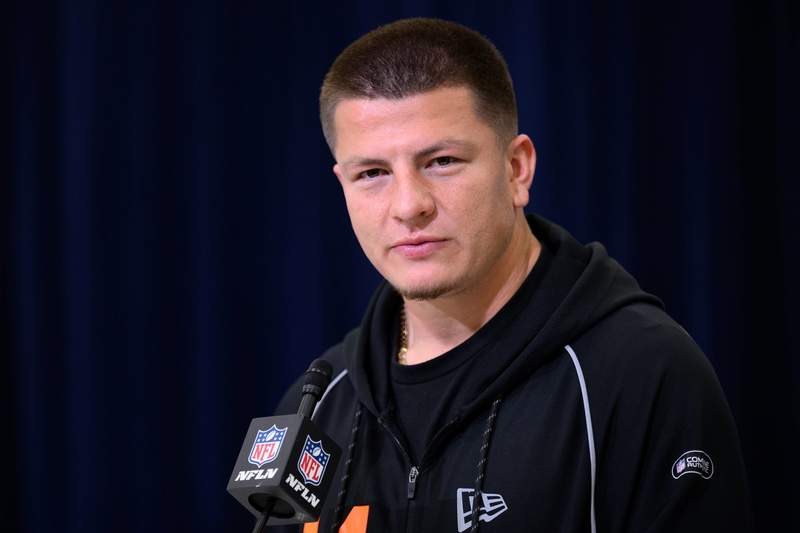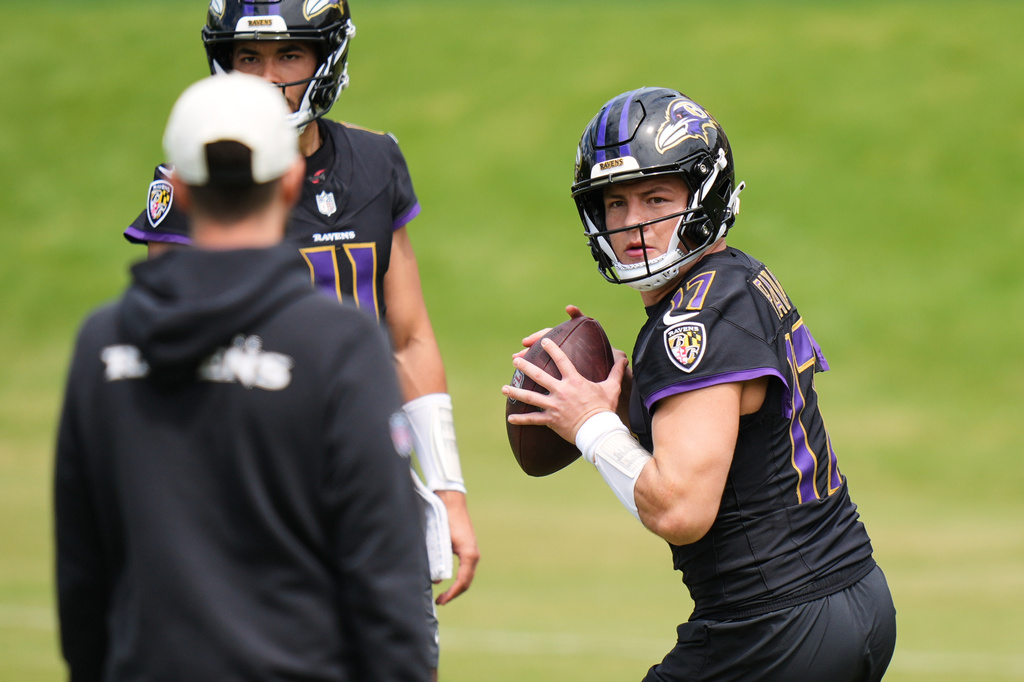
The financial architecture of Vanderbilt University’s football program has reached a critical inflection point, transitioning from a high-yield ‘rental’ model to a high-risk ‘developmental’ investment. Following the departure of Diego Pavia, the program faces a $2 million capital renewal requirement to maintain competitive parity. Unlike professional sports where contracts represent amortizable assets or tradeable equity, Name, Image, and Likeness (NIL) expenditures function as non-recoverable operating costs. The $2 million allocated to Pavia yielded historic wins but zero residual value, forcing boosters to replicate that capital stack immediately to secure his successor.
This cycle of capital-intensive recruitment defines the new baseline for mid-tier Power-4 programs. The immediate beneficiary is Jared Curtis, the nation’s top-ranked 2026 quarterback, who flipped from Georgia to Vanderbilt. By matching Pavia’s $2 million valuation for a freshman, Vanderbilt has signaled a strategic shift: concentrating 7.7% of its estimated $26 million total roster value into a single, unproven asset. This move reflects an aggressive attempt at market arbitrage, outbidding traditional blue-bloods for elite talent to force a permanent shift in program perception.
The Disconnect Between Collegiate ROI and NFL Draftability
Diego Pavia’s post-collegiate trajectory serves as a definitive case study in the divergence between on-field production and professional valuation. Despite being a Heisman finalist and leading Vanderbilt to its first winning season since 2013, Pavia remained unselected in the seven rounds of the 2026 NFL Draft. This outcome highlights a rigid professional adherence to physical archetypes; at 5’10”, Pavia’s lack of prototypical height and pocket-centric efficiency overshadowed his dual-threat utility in the eyes of NFL scouts.
For programs like Vanderbilt, this creates a ‘prestige paradox.’ While Pavia generated immense media ROI and cultural momentum, his draft snub complicates the program’s pitch as a professional pipeline. The NFL’s rejection suggests that while the collegiate market is willing to pay millions for unconventional playmakers, the professional market remains gated by traditional physical metrics. This bifurcation forces programs to decide whether to recruit for immediate Saturday wins or long-term Sunday viability.
Strategic Risk in the ‘Treadmill’ Financial Model
Vanderbilt’s reliance on a concentrated group of high-net-worth boosters creates a ‘treadmill effect.’ Because NIL funds do not recycle, the program must perpetually fundraise to replace departing talent. Transitioning from Pavia—a veteran with high certainty—to Curtis—a high-potential freshman—introduces significant developmental risk. The program is essentially betting that the ‘Curtis Era’ will bridge the gap between collegiate relevance and professional validation, potentially solving the recruiting hurdle created by Pavia’s undrafted status.
Operationally, Clark Lea’s shift away from the ‘bridge’ quarterback model toward a foundational recruit indicates a desire for institutional stability. However, the inflationary pressure of the NIL market means that even a successful developmental cycle offers no relief. If Curtis meets expectations, his market value will likely escalate, requiring even higher capital outlays to prevent a transfer-portal exit. In this environment, Vanderbilt’s financial ambition must be matched by a rigorous offensive evolution that aligns more closely with NFL scouting standards to ensure their $2 million investments eventually yield professional dividends.