Diplomatic Decomposition: The Collapse of the April 7 Framework
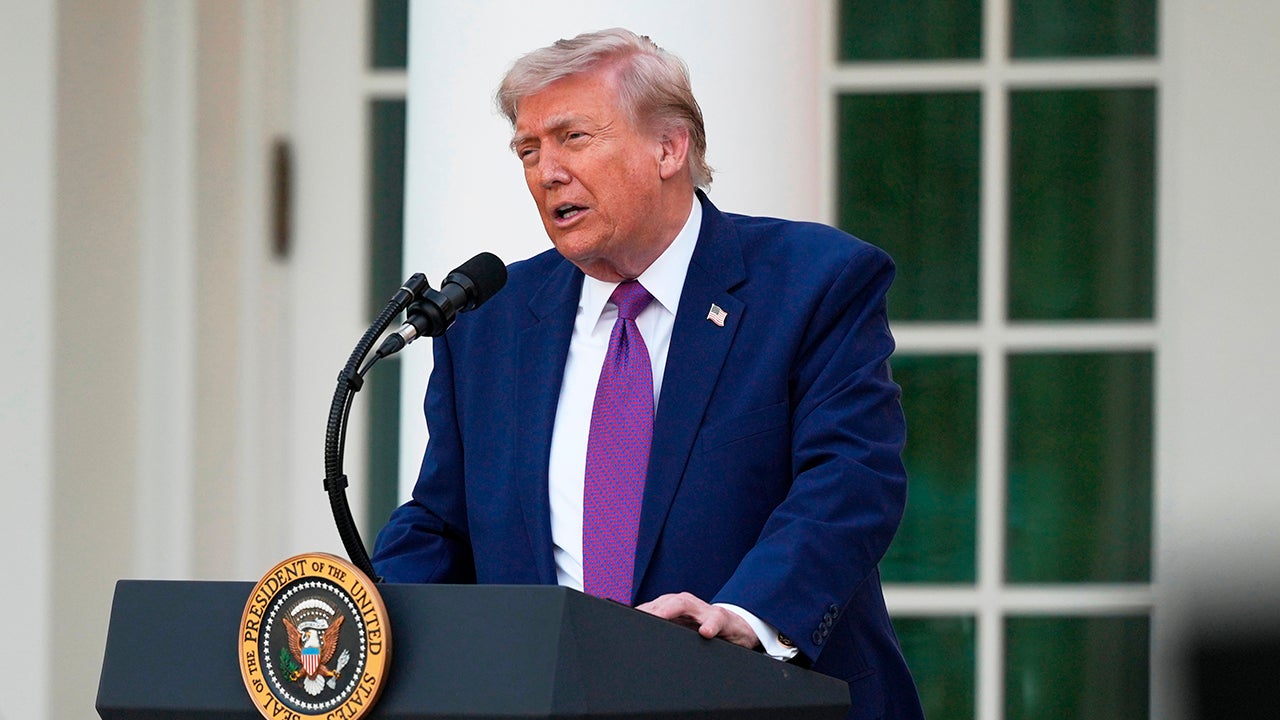
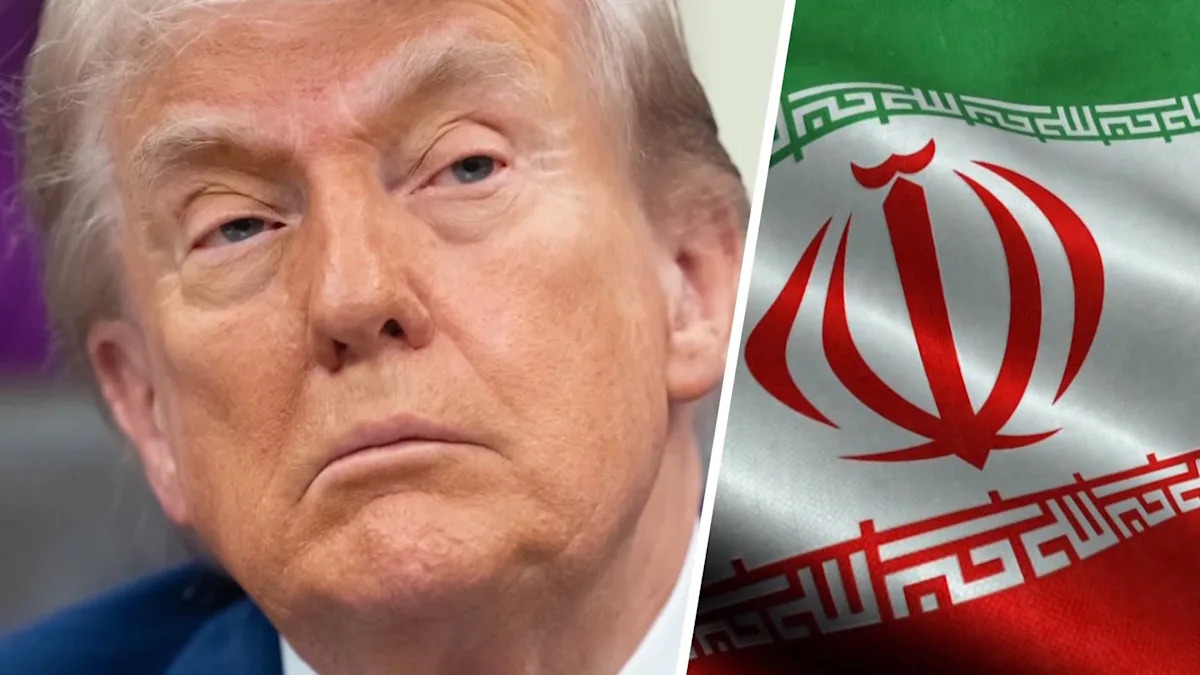
The diplomatic stability initiated by the April 7 ceasefire has transitioned into a phase of acute erosion following President Donald Trump’s summary dismissal of Tehran’s latest peace overture. By characterizing the proposal as “garbage” and “unacceptable,” the administration has signaled a strategic pivot away from incremental de-escalation. This rejection suggests that the Iranian terms—predicated on a multi-theater resolution—fail to meet the U.S. threshold for regional security concessions, effectively rendering the existing framework a dead letter.
The President’s refusal to complete a full review of the submission serves as a deliberate exercise in rhetorical devaluation. This posture not only undermines Iran’s negotiating leverage but also signals to regional intermediaries that the U.S. executive branch is recalibrating toward a doctrine of increased pressure. Consequently, the cessation of hostilities remains in a state of “life support,” creating a high-risk environment for international maritime commerce and regional security stakeholders.
The Weaponization of the Strait of Hormuz Chokepoint
Tehran’s reassertion of sovereignty over the Strait of Hormuz represents the weaponization of a global energy chokepoint. This jurisdictional claim is a calculated maneuver designed to counter the U.S. naval blockade by leveraging the world’s dependence on Persian Gulf hydrocarbons. By framing maritime control as an issue of national sovereignty, Iran attempts to establish a deterrent against further economic coercion, signaling its capacity to disrupt global supply chains should its demands for sanctions relief remain unmet.
This maritime brinkmanship has triggered a defensive realignment among Gulf states. Qatari Prime Minister Mohammed bin Abdulrahman Al Thani’s condemnation of “maritime blackmail” highlights a significant hardening of Doha’s position. Traditionally a neutral mediator, Qatar’s alignment with U.S. concerns reflects a growing regional consensus that Iranian control over international shipping lanes is an existential threat to the economic stability of the Gulf Cooperation Council (GCC).
Economic Statecraft and the ‘All-Fronts’ Negotiating Trap
Iran’s demand for the termination of the U.S. naval blockade and the provision of war reparations introduces a complex legal and financial stalemate. The blockade is currently the primary instrument of U.S. economic statecraft, essential for degrading the financial architecture of Iran’s regional proxies. Removing this pressure without structural concessions would constitute a strategic retreat, explaining the White House’s categorical rejection. Furthermore, the demand for compensation seeks to invert the conflict’s moral and financial liability, a condition that remains politically non-viable in Washington.
The insistence on an “all-fronts” resolution—linking Gulf security to the conflicts in Lebanon and involving Hezbollah—reveals Tehran’s integrated regional strategy. By making the April 7 ceasefire contingent upon a cessation of hostilities in the Levant, Iran is attempting to secure its proxy network under the umbrella of a maritime peace deal. This linkage ensures that any failure in Persian Gulf diplomacy will manifest as kinetic escalation in the north of Israel and southern Lebanon.
Multilateral Pivots: The Beijing Summit and Regional Defense
As bilateral channels falter, the diplomatic focus has shifted toward the upcoming summit between President Trump and Chinese President Xi Jinping. China’s role as the primary importer of Iranian crude makes its participation critical for any sustainable resolution. The U.S. likely views Chinese economic leverage as the last remaining non-kinetic tool to compel Iran to abandon its maximum demands. Simultaneously, the coordination between Secretary of State Marco Rubio and Qatari leadership suggests that Washington is reinforcing regional defense architectures to deter potential Iranian interference in the Strait during this period of diplomatic transition.
Global energy markets have responded to this deadlock with increased volatility, pricing in a significant geopolitical risk premium as the probability of maritime disruption rises. With the U.S. military leadership characterizing the situation as an attempt to hold the global economy hostage, the focus remains on whether a multilateral intervention can salvage the peace process or if the region is entering a sustained period of coercive diplomacy and naval confrontation.