The Structural Collapse of a Budget Carrier
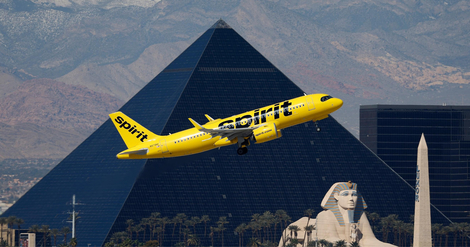
Following 34 years of operation, Spirit Airlines has ceased all service. The carrier’s collapse, precipitated by persistent financial volatility and two bankruptcy filings, underscores the fragility of the ultra-low-cost carrier (ULCC) business model in a high-cost aviation environment. Since the May 2 shutdown, the company has entered a court-supervised liquidation process, with creditors prioritizing the rapid recovery of capital through the sale of aircraft and critical infrastructure, such as airport gates.
The Emergence of Populist Capital
In response, a grassroots digital campaign led by creator Hunter Peterson has mobilized $337 million in nonbinding pledges from over 370,000 retail participants. The bid attempts to adopt the ‘Green Bay Packers’ model of public ownership to preserve the carrier. However, this initiative faces a significant valuation deficit, as the stated goal of $1.75 billion remains far from current funding levels, and the proposal lacks a substantiated plan to rectify the systemic operational inefficiencies that forced the initial bankruptcy.
Regulatory and Judicial Barriers
Beyond capital requirements, the bid faces strict federal oversight. Airline ownership in the U.S. is heavily regulated by the Department of Transportation and the FAA, which necessitate experienced management, significant liquidity, and rigorous safety protocols. Unlike professional sports organizations, commercial airlines cannot operate effectively under fragmented ownership structures. Bankruptcy courts, meanwhile, operate under a ‘cold calculus’ of creditor repayment, where social media sentiment rarely influences the legal prioritization of secured debts and asset liquidation.
Market Positioning and Competitive Shifts
The exit of a major budget competitor is creating a vacuum in the aviation market, leading to increased pressure on airfares and route availability. While retail investors seek to challenge the traditional influence of private equity firms in this process, the competitive landscape is already shifting toward consolidation. Major domestic carriers are actively maneuvering to absorb Spirit’s former market share and assets, further complicating the possibility of an independent, crowd-funded revival.
Strategic Implications
The fate of Spirit’s 17,000 employees remains tied to the outcome of the liquidation. This incident serves as a critical case study in the intersection of digital activism and corporate restructuring. While public engagement in corporate outcomes is rising, the bankruptcy process remains an institutionalized mechanism prioritizing financial viability and legal compliance over populist investment models.