The Strategic Consolidation of Legacy Intellectual Property
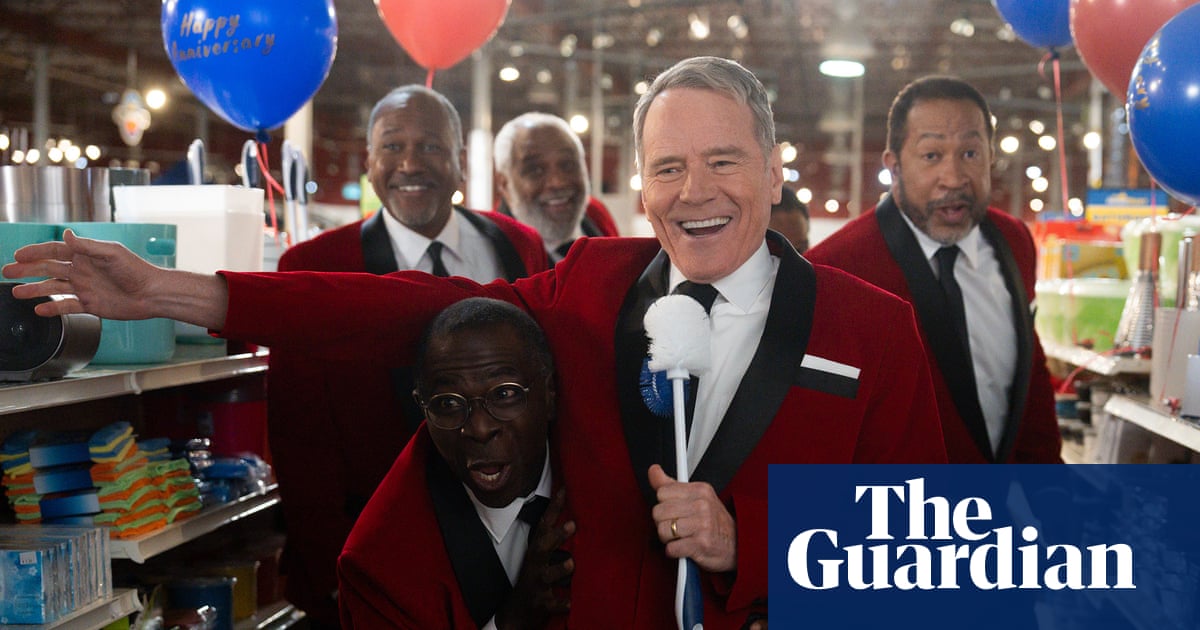
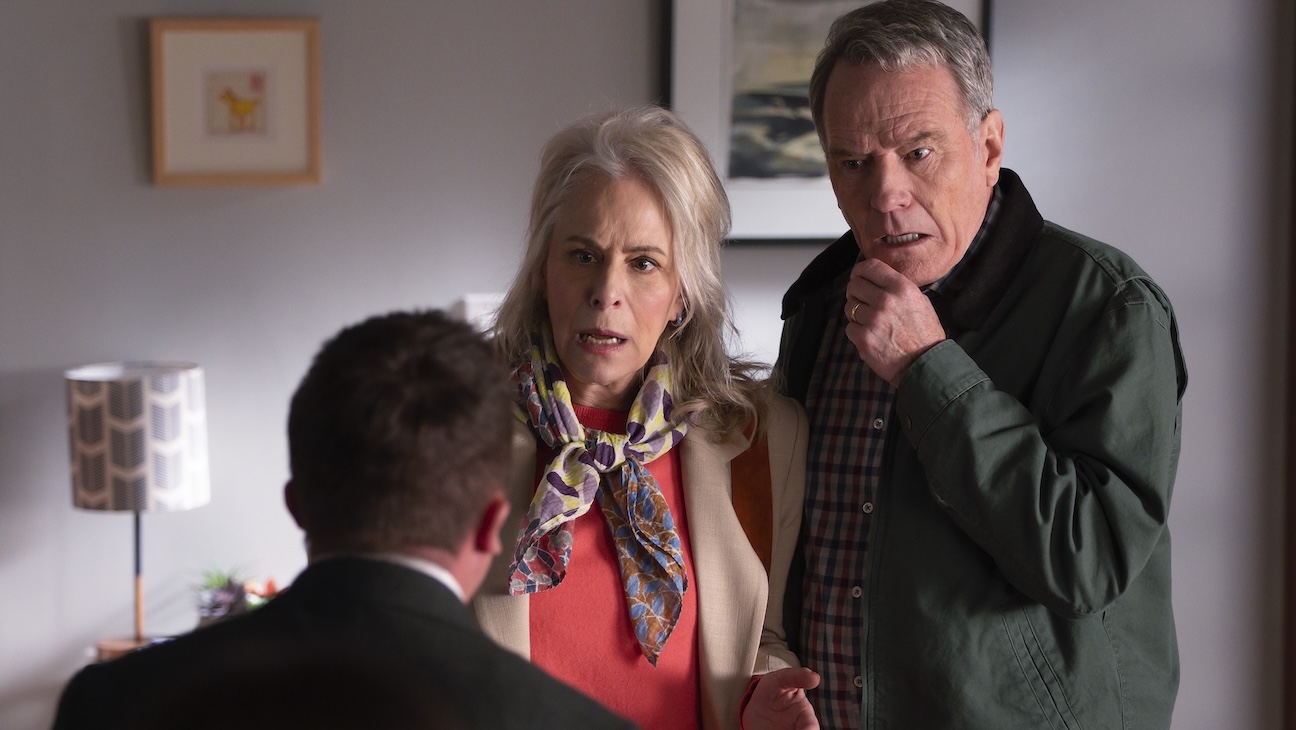
The premiere of Malcolm in the Middle: Life’s Still Unfair on Hulu signifies a sophisticated departure from traditional television revival frameworks. By eschewing the 22-episode broadcast model for a concentrated four-episode event, Disney-owned Hulu is executing a high-impact strategy designed to maximize brand equity while minimizing production overhead. This shift reflects a broader industry trend toward ‘event television,’ where the objective is to mitigate subscriber churn through prestige-tier content rather than long-tail syndication volume.
Retaining original creator Linwood Boomer alongside the primary cast—most notably Bryan Cranston and Frankie Muniz—functions as an essential continuity safeguard. This institutional alignment ensures the revival is perceived as a legitimate narrative extension rather than a superficial cash-in, a distinction critical for maintaining the loyalty of a multi-generational global fan base.
Narrative Recalibration: From Chaotic Comedy to Intergenerational Trauma
The revival’s thematic pivot toward ‘intergenerational trauma’ aligns the franchise with contemporary prestige standards, where psychological depth often eclipses traditional comedic pacing. This ‘sadcom’ evolution recalibrates the Wilkerson family’s working-class struggles to reflect the current socio-economic anxieties of the original audience, who have aged into adulthood alongside the characters. The transition from childhood genius tropes to complex adult pathos allows the production to compete in the saturated market of character-driven dramedies.
Furthermore, the inclusion of visceral ‘gross-out’ elements—a hallmark of the original series’ anti-authoritarian identity—serves as a branding differentiator. In a landscape often dominated by sanitized or aspirational family depictions, this commitment to gritty, physical absurdity re-establishes the Malcolm brand’s subversive edge, justifying its return to a skeptical modern viewership.
Operational Efficiency and the ‘Cranston Effect’
The participation of Bryan Cranston provides the project with unparalleled marketing leverage and institutional credibility. His transition from sitcom father to prestige icon (via Breaking Bad) creates a unique cross-pollination effect, attracting viewers who may not have engaged with the original series in a broadcast context. Simultaneously, the revival demonstrates the power of digital feedback loops; the project was significantly catalyzed by Frankie Muniz’s organic social media engagement, illustrating how fan sentiment now directly informs corporate greenlighting decisions.
By adopting a four-episode format, Hulu optimizes its financial exposure while creating a concentrated window for a global marketing blitz. This model serves as a potential blueprint for other legacy Fox properties within the Disney portfolio: reviving established brands through high-density, awards-focused narratives that prioritize cultural relevance over episode count.
Conclusion: The Economics of Working-Class Realism
Life’s Still Unfair succeeds by doubling down on the economic realism that defined its predecessor. By exploring the long-term consequences of the Wilkerson family’s instability, the revival provides a rare, non-glamorized look at the American working class. Ultimately, this strategic recalibration transforms a 20-year-old sitcom into a relevant socio-economic commentary, proving that well-managed legacy IP can adapt to the rigorous demands of the prestige streaming era.