Strategic Prioritization in Catalan Derby
FC Barcelona confronts RCD Espanyol in LaLiga Jornada 31, a fixture demanding strategic balance between immediate league objectives and pressing European ambitions. Holding a seven-point lead in the league following Real Madrid’s recent draw, consolidation of domestic dominance is paramount. However, this match is overshadowed by the upcoming Champions League quarter-final second leg against Atlético Madrid, presenting a significant operational and psychological challenge for manager Hansi Flick.
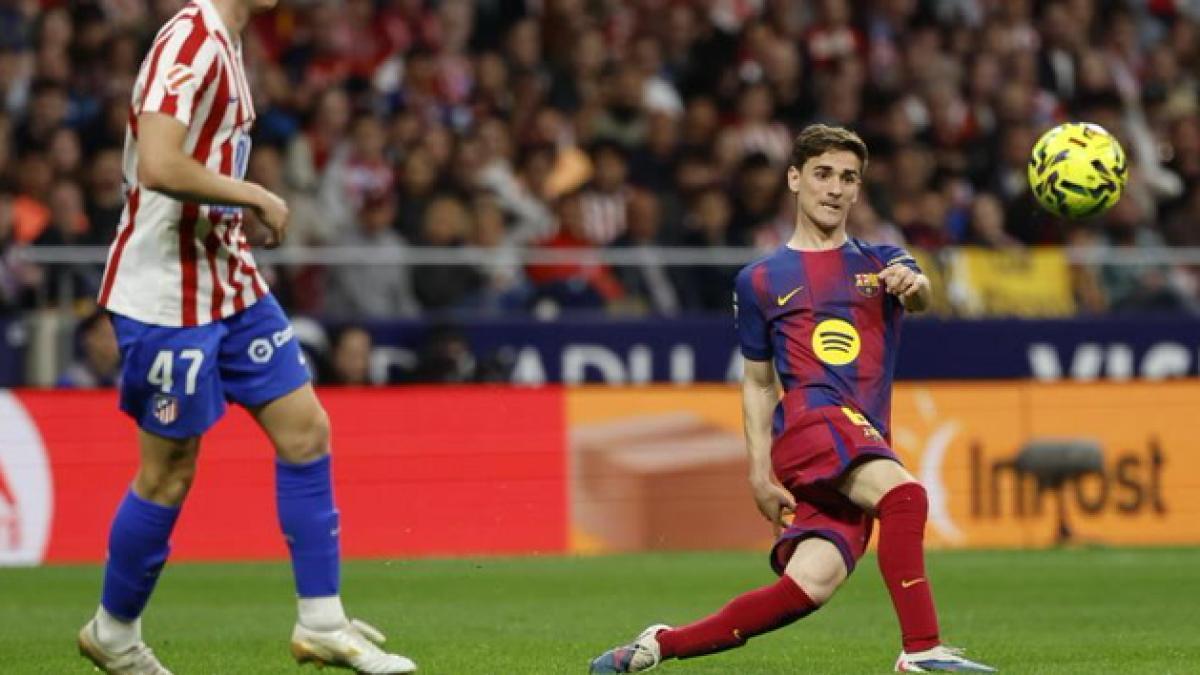
Flick’s tactical approach for the Espanyol match reflects this dual focus, implementing five rotations from the lineup that faced Atlético. This strategy aims to preserve key personnel for the crucial European tie while ensuring sufficient squad depth to secure vital league points. The potential for tactical fluidity, with versatile players like Gavi and Fermín occupying midfield and attacking roles, underscores Flick’s intent to adapt without compromising competitiveness.
Squad Management and Tactical Adaptability
The starting eleven against Espanyol features notable alterations, including Gavi’s integration into midfield and a flexible approach to the left-wing position. Defensive adjustments, such as Koundé and Cancelo being benched for Araujo at right-back and Balde starting, are designed to manage player fatigue and offer tactical options, acknowledging the demanding schedule.
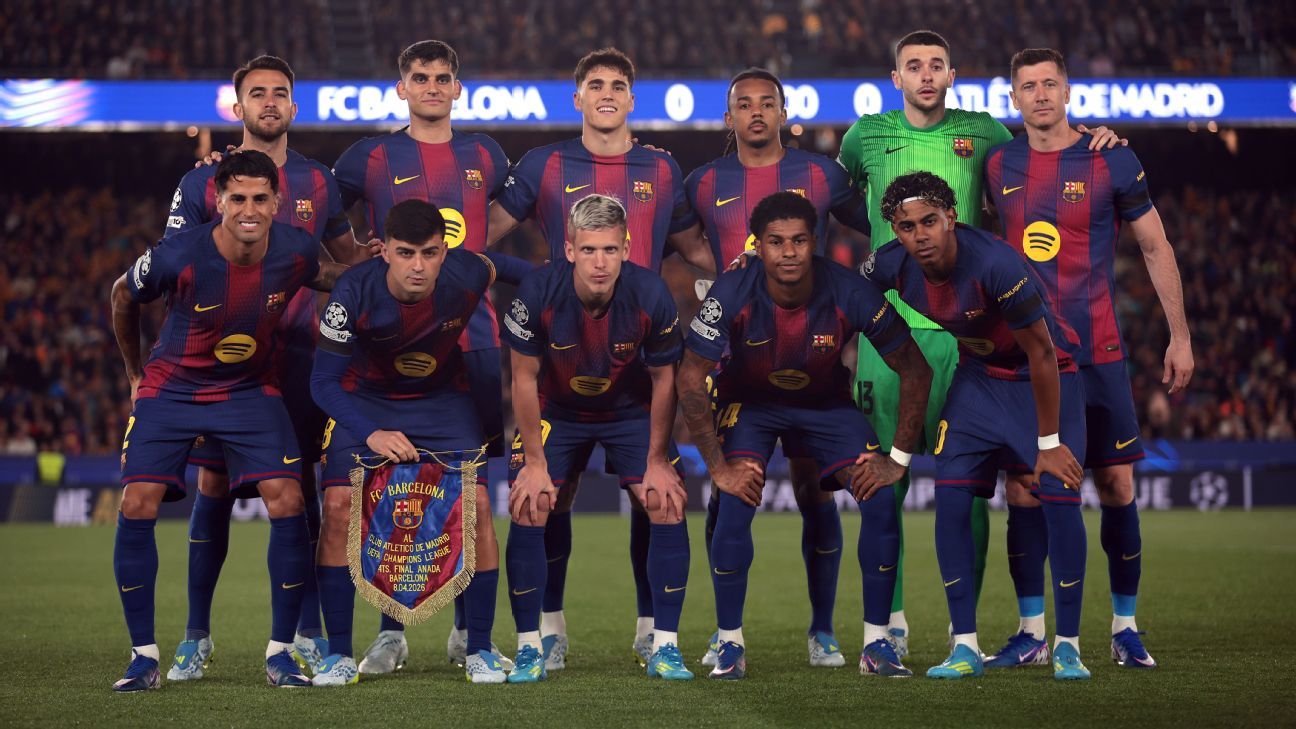
The bench composition further highlights Barcelona’s strategic depth. Key players like Lewandowski and De Jong are available as substitutes, serving as game-changing options. This roster management is critical for navigating a period where both domestic and continental silverware are within reach, necessitating a nuanced approach to player utilization.
Espanyol’s Imperative for Points
For RCD Espanyol, this derby presents a vital opportunity to end a winless streak spanning 13 league matches. Currently mid-table, Espanyol is neither in immediate relegation peril nor realistically contending for European qualification, sitting nine points above the drop zone and six adrift of sixth place. A victory would offer a significant morale boost and a tangible pathway toward a Conference League berth.
Barcelona’s historical dominance in this fixture, with a 29-match unbeaten run and a last defeat in 2018, creates a formidable psychological and statistical barrier. Espanyol’s objective is to overcome this disadvantage and secure three points that could redefine their season narrative.
League Leadership and European Aspirations
Barcelona’s seven-point lead in LaLiga positions them strongly for the domestic title. However, the 2-0 first-leg defeat to Atlético Madrid in the Champions League injects urgency and sharpens the focus on European success. This juxtaposition of domestic comfort and continental pressure shapes Barcelona’s strategy, requiring a delicate balance between league security and a Champions League comeback.
The club’s historical record against Espanyol—22 victories and seven draws in their last 29 encounters—provides a statistical buffer and psychological advantage, indicating sustained regional superiority.
Market and Stakeholder Implications
The financial implications for FC Barcelona are substantial. League titles and deep Champions League runs translate into significant revenue streams, enhancing commercial appeal and global brand value. Strategic squad management decisions are directly tied to these potential financial windfalls.
For Espanyol, a strong finish, potentially spurred by an upset, could attract new sponsorship opportunities and improve their appeal to investors. Enhanced league positioning impacts broadcast revenue distribution and European qualification, influencing transfer budgets.
Competitive Landscape Dynamics
Barcelona’s performance and ability to manage competing priorities influence LaLiga’s competitive landscape. Their lead is substantial but not insurmountable; any slip-ups could embolden rivals like Real Madrid. Rotating players against Espanyol, while safeguarding European hopes, carries the risk of dropping crucial league points.
In European football, Barcelona’s Champions League performance is closely monitored. A successful comeback against Atlético would solidify their status as elite contenders, influencing transfer market dynamics. Conversely, an early exit could prompt strategic re-evaluations of their squad and future targets.
Media Narrative and Fan Engagement
The Catalan derby generates significant media attention, amplified by Barcelona’s dual pursuit of domestic and continental glory. Media narratives will scrutinize the club’s ability to balance these objectives, dissecting tactical decisions and player performances in relation to their European aspirations.
Fan engagement is critical. Barcelona’s supporters face a complex emotional landscape, keenly aware of both league standings and the European tie. Managing expectations and delivering results across both fronts is vital for maintaining morale.
Historical Context and Future Trajectories
Barcelona’s 29-match unbeaten streak against Espanyol is a significant historical marker of regional dominance. This provides a psychological foundation for Barcelona but places immense pressure on Espanyol to break the cycle, showcasing underlying structural advantages.
The trajectory of both clubs is influenced by current campaign performance. For Barcelona, sustained success in LaLiga and Europe is essential for maintaining elite status and attracting talent. For Espanyol, consolidating league position and potentially securing European qualification represents a significant step forward.
Operational Pressures and Decision-Making
The operational pressure on Hansi Flick is immense, requiring meticulous planning for player workloads and tactics across competitions. The decision to rotate five players against Espanyol, while strategically sound for European progression, introduces operational risks like disrupting team cohesion or losing league points.
Barcelona’s squad depth is a critical operational asset. The availability of versatile players allows Flick to implement rotation strategies without significantly compromising team strength, underscoring the importance of a robust organizational structure.
Capital Allocation and Performance Leverage
The substantial financial capital invested in Barcelona’s squad aims for maximum performance across all competitions. The strategic allocation of this capital is evident in acquiring high-caliber players. The current season’s dual pursuit of LaLiga and Champions League titles tests this capital’s effectiveness and the coaching staff’s ability to extract peak performance.
For Espanyol, capital allocation is likely more constrained, necessitating efficient player development and shrewd market activity. Their performance leverage comes from maximizing existing resources and identifying opportunities to outperform higher-budget clubs.
Stakeholder Expectations and Performance Metrics
Stakeholder expectations at FC Barcelona demand consistent domestic and European silverware. The club’s pedigree and global brand create an environment where success is expected. Current season performance metrics are under intense scrutiny.
Espanyol’s stakeholders seek signs of progress and stability. A strong league finish, or a notable upset, would be viewed as positive performance indicators, vital for long-term confidence and investment.
Institutional Strategy and Long-Term Vision
Barcelona’s institutional strategy prioritizes sustained success and global brand recognition. The club’s approach to player development, financial management, and competitive ambition aims to maintain its elite status. Current season challenges are viewed within this long-term vision.
Espanyol’s institutional strategy likely focuses on establishing a stable LaLiga presence with aspirations for gradual growth. Their approach may emphasize youth development and cost-effective acquisition, with derby opportunities crucial for strategic advancement.
Media Scrutiny and Public Perception
Media scrutiny significantly shapes public perception for clubs like Barcelona. Every decision and outcome is intensely analyzed. The narrative surrounding Barcelona’s dual pursuit will be dominant, with media dissecting strategic choices and consequences.
For Espanyol, media attention during derbies amplifies their platform to challenge hierarchies. Positive performances can garner respect and attention, influencing public perception and attracting followers.
Competitive Leverage and Market Positioning
Barcelona’s competitive leverage stems from historical success, financial resources, and a world-class squad, enabling them to dictate terms. The challenge is consistently translating this leverage into tangible results across demanding schedules.
Espanyol’s competitive leverage is situational, often derived from underdog status and derby intensity. Their market positioning is that of a club striving for consistent LaLiga competitiveness and potential European qualification.
Downstream Effects and Future Implications
The immediate downstream effect for Barcelona will be the momentum carried into their Champions League second leg. A decisive victory could provide a psychological boost; a dropped result might introduce doubt. The league title race outcome is directly influenced by securing three points in this derby.
For Espanyol, a positive result could galvanize the squad and fanbase, potentially sparking a late-season surge impacting their league standing and European aspirations. Conversely, another defeat would reinforce their current trajectory, necessitating strategic review.
Capital Movement and Investment Strategies
The financial health and investment decisions of both clubs are intrinsically linked to on-field performance. Barcelona’s revenue generation from league titles and European runs directly influences future capital expenditure for acquisitions and infrastructure.
Espanyol’s financial strategy likely focuses on sustainable growth and maximizing returns on existing capital. League performance can unlock additional revenue streams and improve attractiveness to investors, making the derby a potential catalyst for financial adjustments.
Performance Leverage and Strategic Objectives
Barcelona’s primary performance leverage is their consistent high-level performance across multiple competitions, driven by elite talent. The strategic objective is to convert this potential into tangible silverware, with LaLiga and Champions League as key targets.
Espanyol’s performance leverage lies in maximizing output within resource constraints. Their strategic objective is to establish a stable, competitive LaLiga presence and challenge for European qualification, demonstrating their competitive aspirations.
Exposure and Risk Management
Barcelona’s exposure lies in potential squad fatigue and underestimating an opponent. Tactical rotation, while mitigating some risks, introduces others like a lack of chemistry or opponents capitalizing on adjustments. Effective risk management is paramount.
Espanyol’s risk is in failing to capitalize on Barcelona’s potential distractions and missing the opportunity to secure crucial points. Executing a disciplined game plan is key to managing these risks and maximizing rewards.
Concluding Strategic Considerations
The Catalan derby presents FC Barcelona with a complex strategic challenge, demanding a delicate balance between immediate league objectives and the pressing demands of their Champions League campaign. Hansi Flick’s tactical rotations and squad management reflect a calculated approach to navigating this dual pursuit.
For RCD Espanyol, this fixture is a critical opportunity to break a prolonged winless streak and reignite European qualification hopes. Overcoming a historically dominant opponent and securing vital points will be essential for altering their season’s trajectory.