Transition to Direct Diplomacy
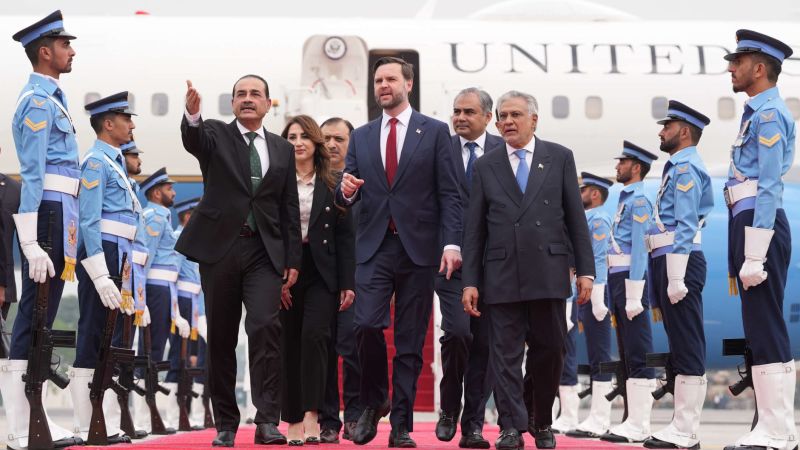
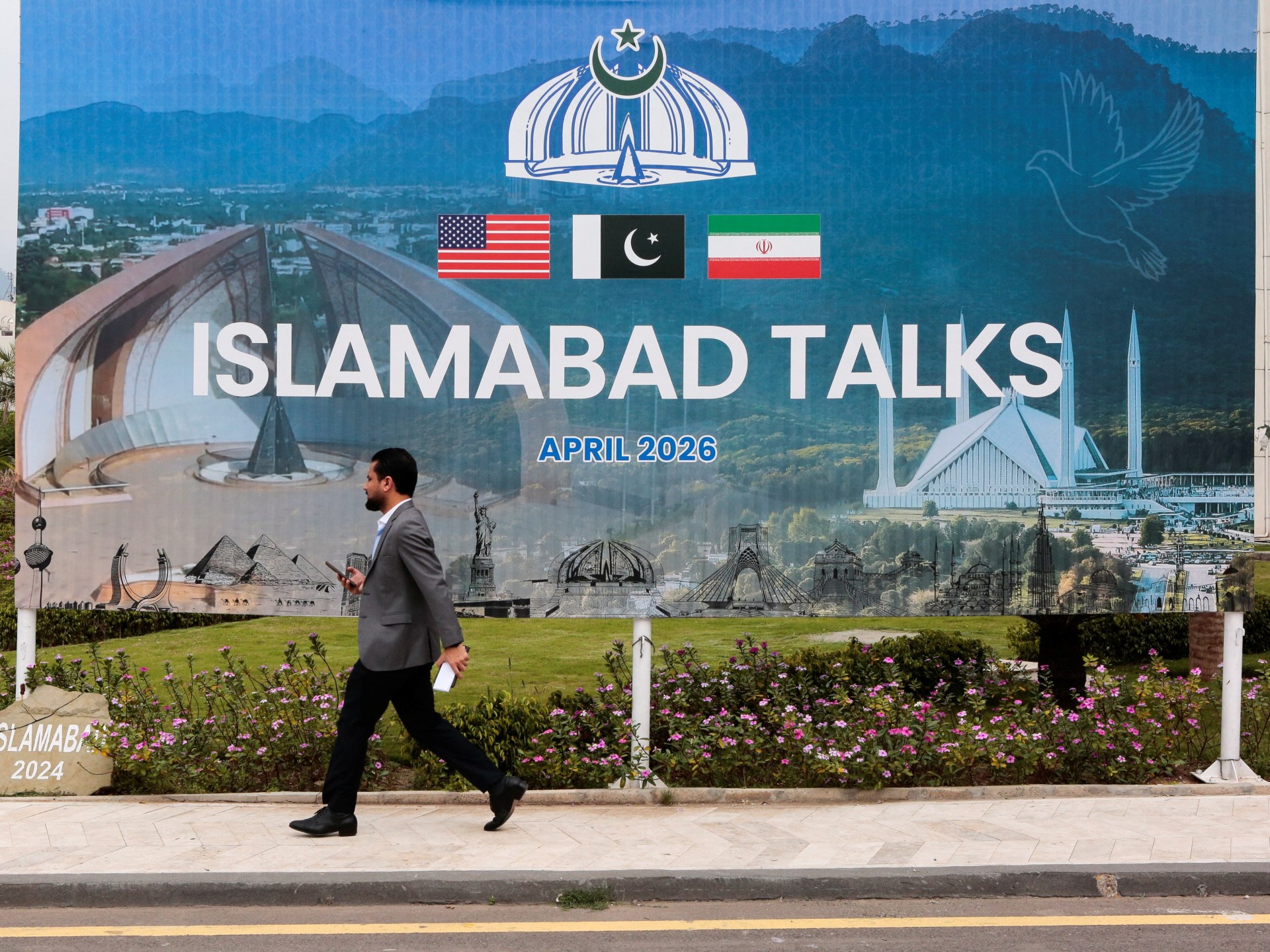
The commencement of face-to-face negotiations between the United States and Iran in Islamabad marks a definitive departure from traditional third-party mediation. This shift from proximate to direct engagement signals a transition from reactive crisis management toward structured conflict resolution. The high-level US delegation, featuring Vice President JD Vance and envoys Steve Witkoff and Jared Kushner, indicates a strategic effort to consolidate administrative and diplomatic influence to ensure a viable cessation of hostilities.
The Strait of Hormuz: Strategic Volatility
President Donald Trump’s objective to clear the Strait of Hormuz introduces significant operational complexity. As a vital global energy transit chokepoint, the waterway remains both a primary bargaining chip and a potential catalyst for escalation. The ambiguity regarding US tactical operations in this zone threatens to destabilize the current six-week ceasefire, placing immense pressure on Iranian negotiators to reconcile security imperatives with territorial integrity.
Institutional Mandates and Regional Brokering
Pakistan’s role as host underscores its evolving function as a regional power broker. Prime Minister Shehbaz Sharif’s bilateral engagements serve to insulate the negotiations from immediate collapse. Tehran’s robust 70-person delegation, led by Speaker Mohammad Bagher Ghalibaf and Foreign Minister Abbas Araghchi, reflects an institutional commitment to align legislative and executive interests, aiming for a durable diplomatic settlement.
Geopolitical Constraints and Parallel Tracks
The ongoing conflict in Lebanon highlights the limitations of bilateral US-Iran talks in resolving broader regional proxy dynamics. Parallel discussions between Lebanese and Israeli diplomats in Washington add layers of complexity, potentially conflicting with the Islamabad agenda. Furthermore, reports regarding Chinese-supplied air defense systems for Iran present a significant geopolitical challenge, as such transfers would fundamentally alter the regional power balance and complicate US long-term security objectives in the Gulf.
Historical Friction and Modern Policy
Administrative actions, such as the revocation of residency rights for relatives of figures linked to the 1979 hostage crisis, illustrate that domestic political imperatives continue to constrain diplomatic progress. These measures reveal the persistent institutional friction that complicates the transition toward normalization. The success of the Islamabad summit depends on the ability of both nations to manage these entrenched legacy grievances while addressing immediate, high-stakes military realities.