The Institutional Framework of the Masters
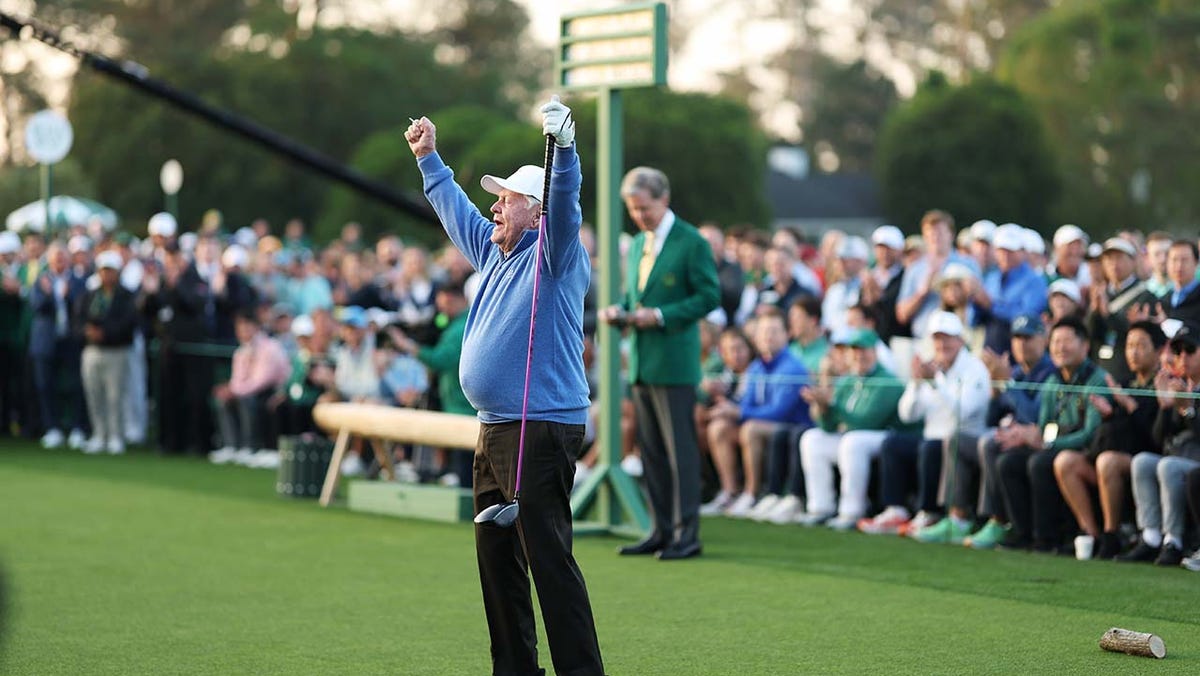
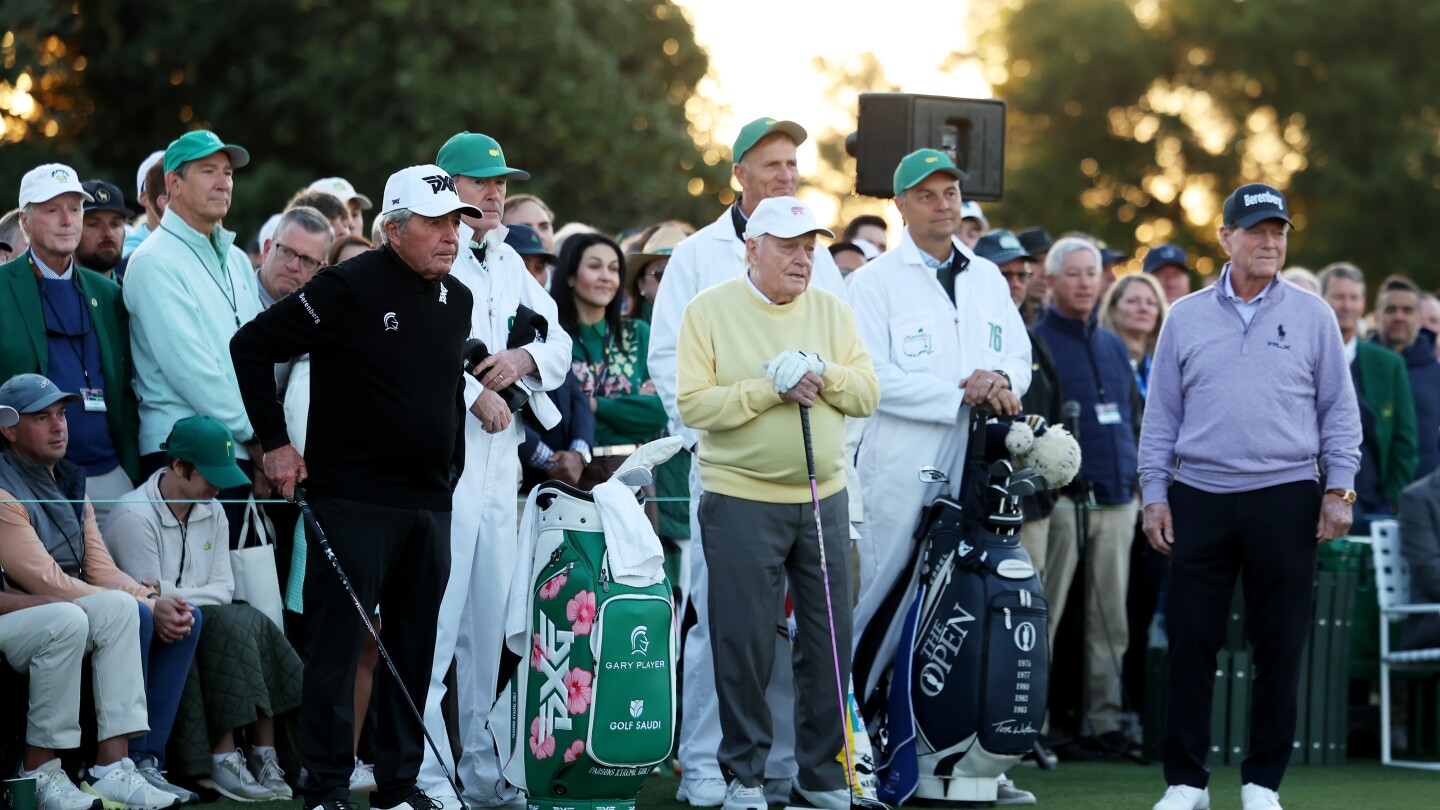
The 2026 Masters Tournament opened at 7:25 a.m. with the Honorary Starters Ceremony, a ritual that functions as both a symbolic and economic anchor for the season’s first major. By featuring legends Jack Nicklaus, Gary Player, and Tom Watson—who possess a cumulative total of 11 Green Jackets and 140 tournament appearances—Augusta National leverages historical continuity to differentiate its brand within a volatile global sports market.
Tradition as a Competitive Advantage
Tracing its origins to 1941 and formalized in 1963, the honorary first shot creates a high-value, predictable environment. This institutional adherence to protocol serves as a barrier to entry, shielding the tournament from the instability common in modern commercial athletics. The precise 7:25 a.m. scheduling illustrates an operational discipline that ensures seamless integration between historical reverence and the competitive broadcast, maximizing engagement for stakeholders and sponsors.
The Economics of Legacy and Human Capital
Gary Player’s ongoing commitment to this role underscores the strategic deployment of human capital. For partners, this continuity ensures the preservation of brand equity tethered to these icons. By transitioning rapidly from the 7:25 a.m. ceremony to the 7:40 a.m. first competitive tee time, Augusta National demonstrates a sophisticated operational model that monetizes both nostalgia and professional performance in a single, frictionless broadcast arc.
Strategic Implications for Global Golf
The 90th Masters exemplifies how established institutions maintain market dominance. In an era of significant structural realignment in professional golf, Augusta National’s ability to command global attention through traditional rites provides a benchmark for stability. The ceremony signals to the industry that the tournament’s core identity remains the primary anchor for sponsor long-term planning and broadcast marketing.
Institutional Memory as a Unique Selling Proposition
The presence of Nicklaus, Player, and Watson functions as a living repository of the tournament’s history, providing a depth of narrative that enhances the premium nature of the broadcast. This institutional memory is a strategic asset, providing a unique selling proposition that competitors struggle to replicate. As Chairman Fred Ridley officially opened play, the transition from ceremony to competition marked the culmination of rigorous administrative planning, reinforcing the Masters’ status as the gold standard for management in professional sports.