NBC’s Strategic Programming Decision: Public Interest vs. Commercial Value
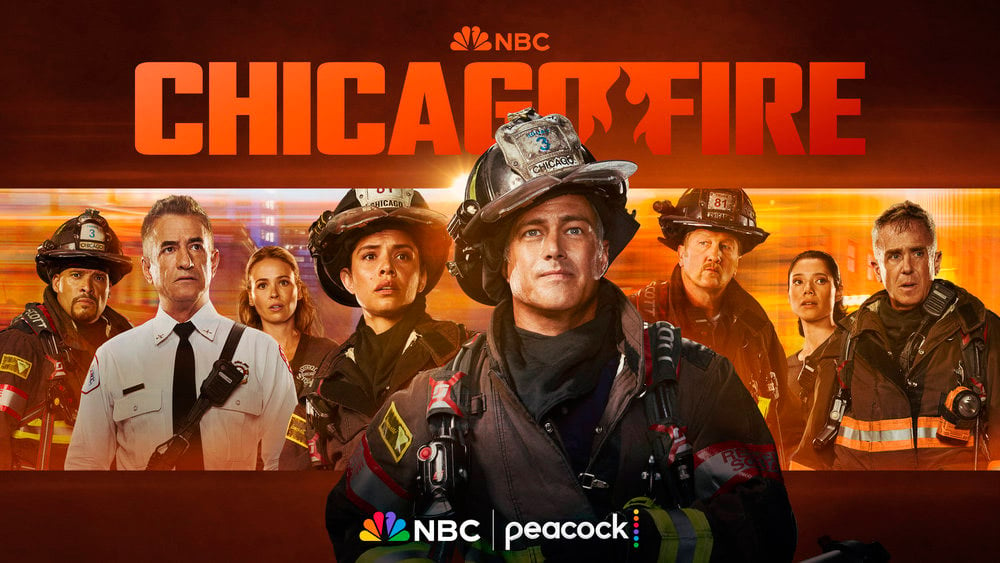
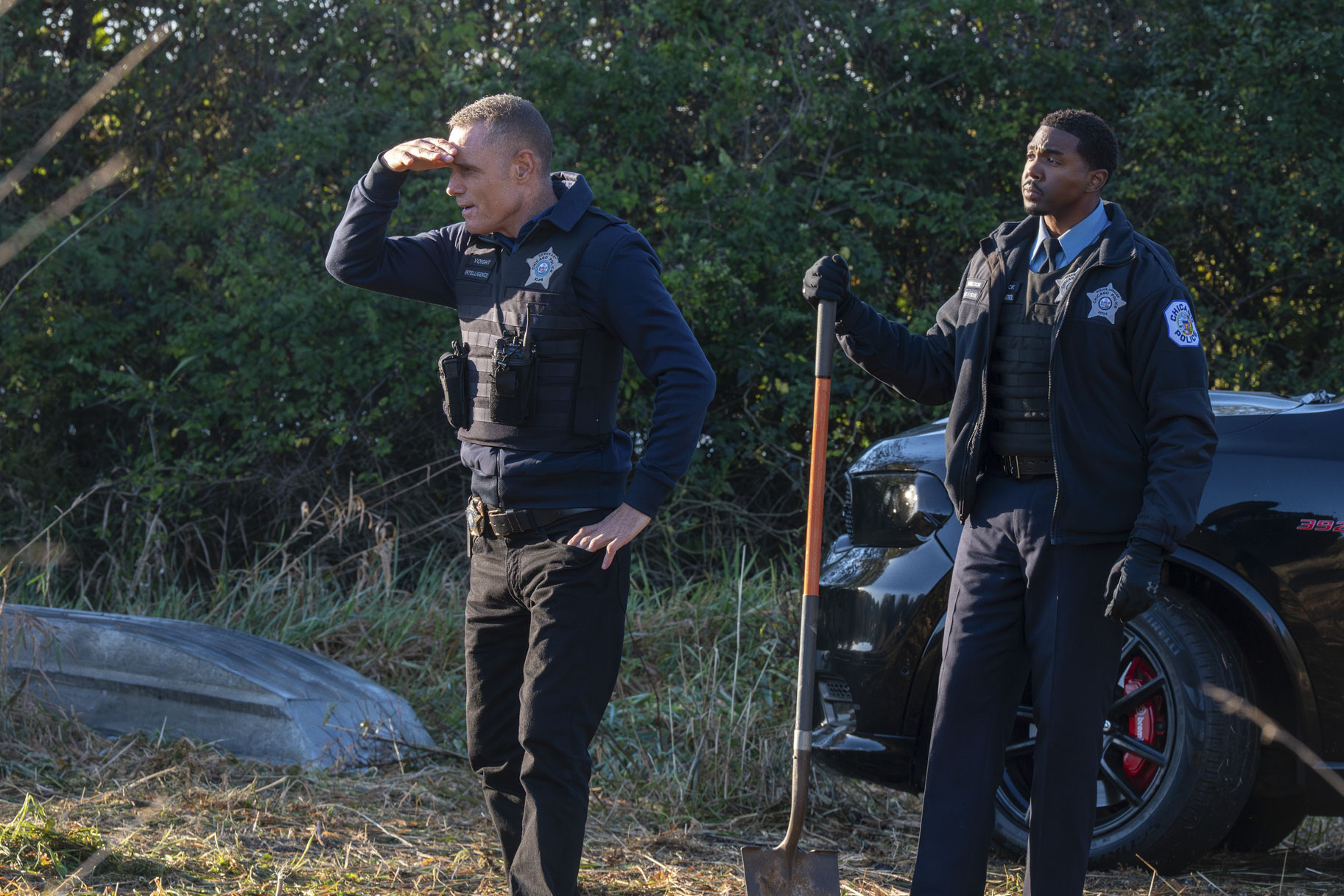
NBC’s preemption of its highly successful “One Chicago” programming block on April 1st, prioritizing a presidential address on the war in Iran, underscores a fundamental tension in modern broadcast media. While the delay of Chicago Fire and Chicago P.D. for a news special on President Trump’s address might appear as a minor scheduling adjustment, it reveals the network’s internal hierarchy of content value and its operational response to geopolitical pressures. The network’s decision to air a news special report at 9 p.m. ET, delaying the subsequent shows, demonstrates a calculated balancing act between public interest obligations and commercial commitments. The network prioritized news content, which often carries higher reputational value and fulfills public service broadcasting requirements, over the immediate commercial value of scripted programming.
The specific scheduling sequence further illustrates this strategic calculation. The source confirms that Chicago Med, the initial anchor show at 8 p.m., aired as scheduled. By maintaining the lead-in program while using the news special as a buffer, the network sought to mitigate audience disruption and maintain overall flow to the greatest extent possible. This approach aimed to preserve the integrity of the programming block, relying on dedicated fan bases to follow the delayed schedule rather than risk preemption, which would fragment the viewing experience more severely. This tactical delay contrasts sharply with the on-demand flexibility offered by streaming platforms, highlighting a structural vulnerability inherent in linear television schedules.
Audience Dynamics and Operational Risks in the Streaming Era
For broadcast networks operating in an increasingly fragmented market, audience loyalty is paramount. The delay, specifically impacting Eastern and Central time zones, posed a significant operational challenge. Even a 25-30 minute disruption risks audience attrition, particularly among younger demographics accustomed to on-demand content. The network’s calculation hinges on the loyalty of the dedicated fanbase, often referred to as “Chihards,” assuming these viewers will remain engaged and return after the interruption. However, this reliance carries a competitive risk as viewers may opt for alternative entertainment or time-shifted viewing rather than waiting for the delayed broadcast, impacting immediate ratings and advertising revenue delivery.
The financial implications extend beyond immediate ratings fluctuations. Advertisers purchase time slots based on expected audience reach and demographics for specific programming. A preemption necessitates adjustments, often involving “make-goods”—additional advertising time provided to compensate for lost impressions. The network’s decision suggests a calculation that the reputational benefit of covering a significant presidential address outweighs the short-term financial cost of managing advertiser expectations and audience disruption. This demonstrates a strategic priority where public service value takes precedence over immediate revenue optimization.
Long-Term Franchise Value and Ecosystem Strategy
The decision to merely delay rather than fully preempt the programming is directly related to the significant long-term value of the “One Chicago” franchise. The franchise, created by Dick Wolf, offers predictable ratings, consistent audience delivery, and substantial intellectual property value. The source highlights the longevity and stability provided by the franchise’s renewal through the 2026-2027 season, underscoring its role as an essential anchor for network schedules. Unlike high-budget, limited-run prestige dramas, procedural franchises provide a robust library for streaming platforms, making them vital assets in the broader media ecosystem.
This long-term perspective positions the preemption as a minor operational hurdle within a highly profitable strategic partnership. The long-term renewal ensures a continuous supply of library content for NBCUniversal’s streaming platform, Peacock. The linear broadcast schedule serves as the primary distribution channel, driving initial viewership and building the library value that sustains the network’s streaming ambitions. The network’s strategic calculation prioritizes preserving the long-term asset value of the franchise for its broader ecosystem over minimizing the short-term inconvenience caused by a political preemption.
Geopolitical Context and Industry Future
The specific geopolitical context—a presidential address on a potential war in Iran—highlights the unique challenges facing broadcast networks. Networks with news divisions face constant tension between commercial interests and the public responsibility to inform during national crises. While streaming services offer uninterrupted viewing, linear television’s vulnerability to real-time events, news specials, and sports preemption creates a competitive disadvantage for attracting audiences who prioritize flexibility. The network’s response reinforces its traditional role as a primary source of information during critical moments, a function that streaming services typically do not fulfill.
Ultimately, the preemption serves as a reminder of the inherent volatility in linear broadcast scheduling. The network’s strategic response to the presidential address demonstrates a commitment to maintaining audience flow and minimizing disruption, even when faced with significant external pressures. This approach effectively balances commercial interests with public service obligations, ensuring the long-term viability of the programming block and the overall network strategy in a challenging media environment.