Strategic Implications of Liga MX Exhibition Matches in the US Market
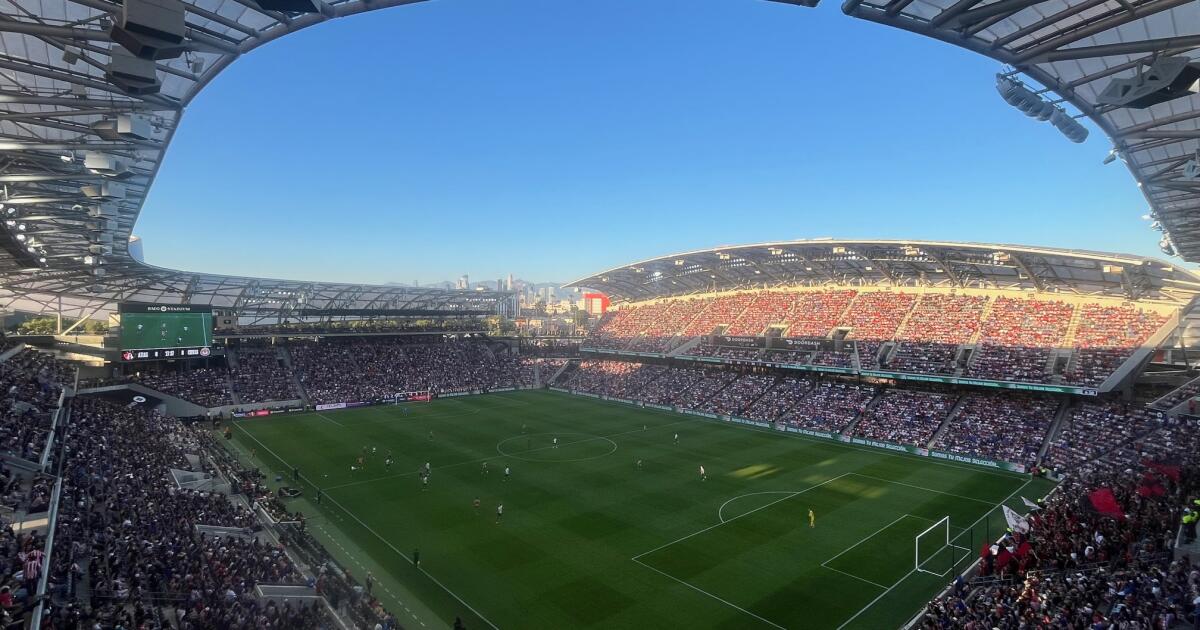
The recent exhibition match between Chivas and Atlas in Los Angeles, held during a FIFA international break, represents a calculated strategic maneuver by Liga MX clubs to maximize revenue and brand presence during competitive downtime. The event, which sold out BMO Stadium, demonstrates the significant commercial potential of exporting high-profile rivalries to the large and engaged diaspora audience in the United States. Rather than viewing the break as a period of inactivity, top-tier teams are actively leveraging this window as a strategic opportunity to engage key international markets.
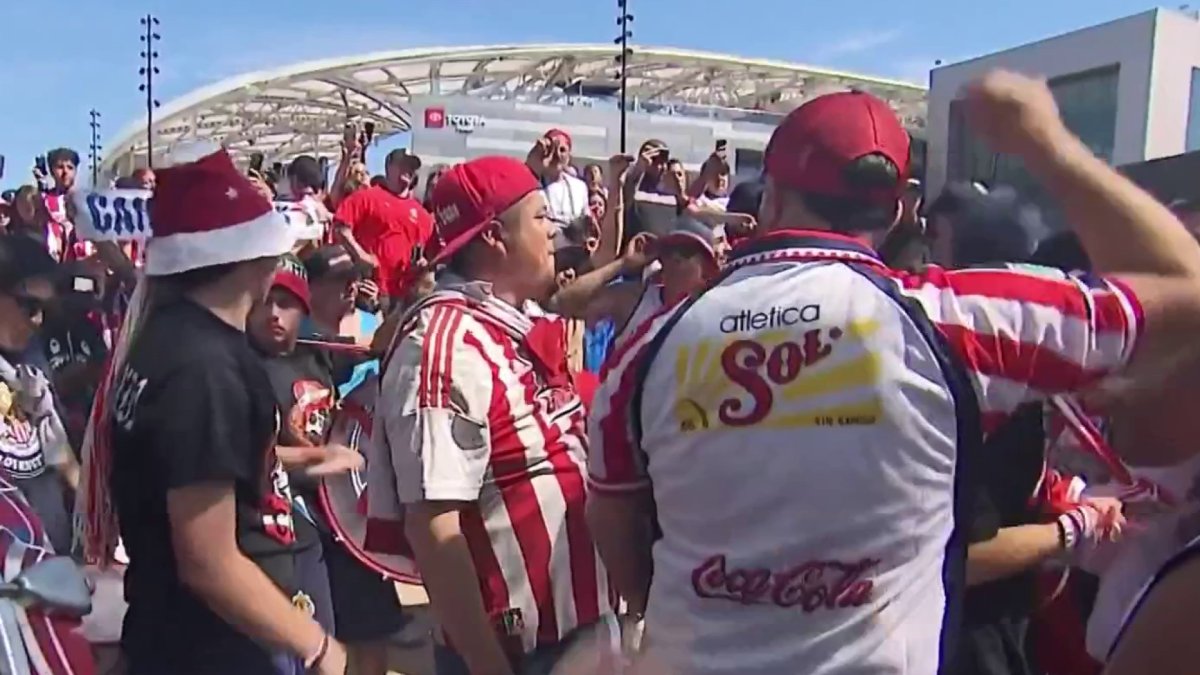
This approach transforms a potential logistical challenge—the absence of key players due to national team call-ups—into a calculated business opportunity. By scheduling matches in major US metropolitan areas with high concentrations of Mexican-American fans, clubs like Chivas and Atlas effectively monetize their brand equity outside of their domestic competitive schedule. The decision to play in Los Angeles specifically targets a demographic known for its high engagement with Mexican football, providing a predictable revenue stream from ticket sales and merchandise.
Financial Strategy and Revenue Diversification
The financial incentives for these exhibition matches are substantial, providing a crucial mechanism for revenue diversification. A sold-out stadium in Los Angeles generates significant gate revenue that supplements domestic income streams. This strategy mitigates the financial impact of a pause in competitive league play, ensuring continued cash flow during periods when regular matchday revenue would otherwise be interrupted. The US market serves as a critical financial pillar for Liga MX, offering a reliable source of revenue that supports club operations and player acquisitions, particularly as clubs face increasing operational costs.
Furthermore, these matches serve as a direct engagement mechanism with a critical segment of the fanbase that resides outside of Mexico. The high demand for tickets confirms the strong consumer interest in live Liga MX content in the US, allowing clubs to build long-term brand loyalty and expand their commercial base. This approach positions clubs to capitalize on future commercial opportunities in North America, enhancing overall financial stability.
Operational Management and Performance Continuity
The decision to play a friendly during a FIFA break presents specific operational challenges related to player availability and squad management. The source notes that Chivas contributed five players to the Mexican national team, highlighting the impact of international call-ups on club rosters. For clubs, managing player fitness and maintaining team cohesion during this period is critical for performance once competitive league play resumes.
From an operational standpoint, a friendly match serves as a strategic solution for maintaining performance continuity. It allows the remaining squad members to maintain match fitness and tactical rhythm, preventing a complete disruption of training routines. While the match itself is non-competitive, it provides valuable playing time for players who might not be regular starters, enabling coaches to assess depth and evaluate performance under match conditions. This operational benefit helps mitigate the risk of performance degradation following the international break, balancing financial gain with competitive preparation.
Media Rights and Content Monetization
The broadcast arrangements for the match reveal a sophisticated media distribution strategy tailored to the North American market. The source notes that the match was available on TUDN and ViX in both Mexico and the United States. This dual distribution model, utilizing traditional television and streaming platforms, maximizes reach across different consumption habits and demographics.
For media partners like TelevisaUnivision (TUDN/ViX), securing broadcast rights for these high-demand exhibition matches is crucial for maintaining market share and driving subscription growth for streaming services like ViX. The ability to offer exclusive content, even non-competitive matches, strengthens the value proposition for US-based subscribers who follow Liga MX closely. This strategic alignment between clubs and media partners ensures that the financial benefits of US market engagement are maximized through both direct ticket sales and indirect media rights monetization, aligning with the industry trend toward digital-first distribution.
Brand Equity and Rivalry Export
The focus on a specific rivalry, the Clásico Tapatío, further enhances the commercial appeal. Rivalries are a key asset in sports marketing, and exporting them allows clubs to capitalize on existing emotional connections with fans. The sold-out crowd in Los Angeles confirms that the rivalry’s value transcends competitive context, functioning as a standalone entertainment product for the US audience. This strategic decision aligns with broader trends in global sports, where top leagues seek to expand their reach beyond traditional geographic boundaries.
For Chivas, currently leading Liga MX, the event reinforces its brand narrative and maintains positive momentum in a key market. The participation also impacts the club’s reputation and potentially increases the future transfer value of its players, creating a virtuous cycle of talent development and commercial success. The strategic use of the international break demonstrates how clubs are adapting to the modern football economy by leveraging non-competitive windows for brand expansion and financial gain.