US Threatens Kharg Island Seizure: A Strategic Shift to Resource Control
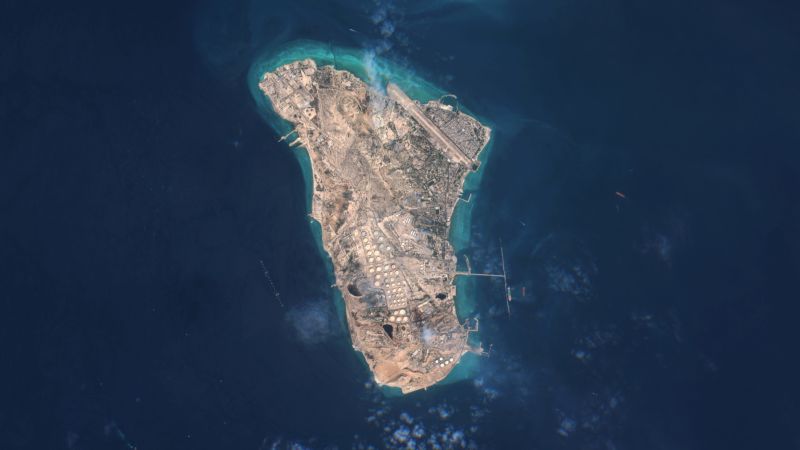
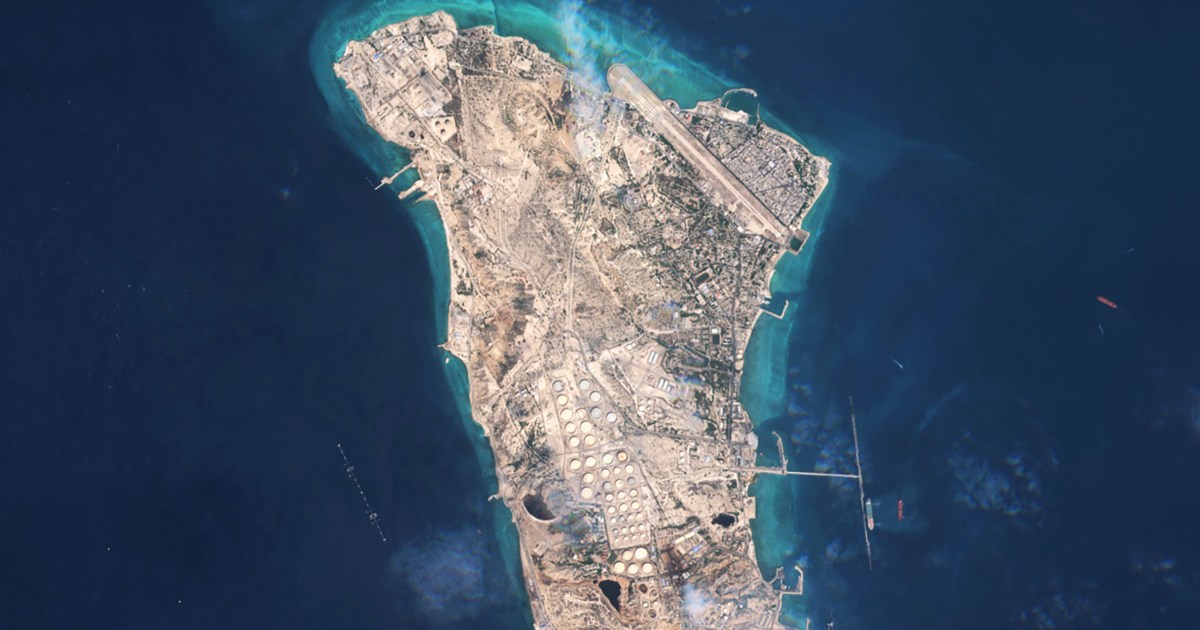
President Donald Trump has raised the prospect of the United States taking Iran’s oil and seizing Kharg Island, a critical fuel hub for Tehran’s economy. This consideration marks a significant escalation in strategic thinking, moving beyond the established framework of economic sanctions toward direct operational control of vital infrastructure. The statements, made during an interview and subsequently to reporters, signal a shift in leverage strategy, targeting the core revenue stream of the Iranian state through physical seizure rather than financial pressure.
Analysis of Strategic Leverage: Sanctions vs. Seizure
The discussion of seizing Kharg Island represents a fundamental re-evaluation of US policy options in the region. Sanctions, while effective in constraining Iran’s economy by restricting access to markets and capital, have not achieved the desired behavioral changes. The proposed action of resource seizure directly targets the state’s financial viability at its source by eliminating the physical means of economic activity. Kharg Island serves as Iran’s primary oil export terminal, handling the vast majority of its crude shipments. Its strategic importance lies in its singular role in Iran’s energy infrastructure, concentrating a significant portion of export capacity in one high-value target. A successful seizure would immediately halt Iran’s oil revenue, far surpassing the impact of previous sanctions regimes, forcing a rapid change in calculations by the Iranian leadership.
Operational Challenges and Military Posturing
The strategic move toward resource control necessitates a consideration of significant operational challenges and escalation risks. While initial responses often focus on air and naval power, the Pentagon’s preparation for weeks of ground operations suggests a recognition of the need for sustained control over key infrastructure, such as Kharg Island. This preparation signals a move beyond limited strikes to a potentially prolonged conflict scenario, requiring significant logistical support and force projection. The complexity of ground operations is compounded by recent military developments, including the destruction of a US Air Force E-3 Sentry aircraft in an Iranian strike on a Saudi Arabia air base. The loss of this vital airborne early warning and control platform significantly damages US capabilities to detect incoming threats at distance, creating a gap in intelligence gathering and increasing operational risk for US forces in the region.
Market Volatility and Energy Geopolitics
The escalating tensions have triggered significant volatility in global financial markets. Oil prices have surged by nearly 60% since the start of the conflict, reaching approximately $116 per barrel. This sharp increase reflects a substantial risk premium driven by the effective closure of the Strait of Hormuz, a critical maritime chokepoint for global oil shipments. The market reaction underscores the fragility of global energy supply chains and the immediate impact of geopolitical instability in the Middle East on international commerce. The market gyrations are not limited to energy commodities; Asian stocks have fallen in response to Tehran’s warnings against a US ground invasion, indicating broader investor uncertainty regarding regional stability. The threat to Kharg Island, combined with the disruption of shipping through the Strait of Hormuz, creates a systemic risk environment where investors anticipate further supply shocks and potential economic slowdowns.
Diplomatic Disconnect and Information Warfare
The diplomatic front presents a complex and contradictory picture. President Trump stated that the US was negotiating “directly and indirectly” with Tehran and that talks were going “extremely well.” However, Tehran insists that it is not engaged in any talks with Washington. This discrepancy highlights a significant element of information warfare, where public statements are potentially used to influence domestic and international perceptions rather than accurately reflect the state of negotiations. The claim that Iran has agreed to “most of” the 15-point list of demands from the US, coupled with the delivery of oil as a sign of good faith, contrasts sharply with Iran’s public denial of talks. This suggests a potential internal divide within Iran’s leadership or a deliberate strategy by the US to apply pressure by creating the perception of progress. The ambiguity surrounding these negotiations makes it difficult for allies and adversaries alike to accurately assess the path forward.
Conclusion: Consequences and Unresolved Tensions
The current situation is defined by high-stakes strategic threats, significant market volatility, and operational challenges. The US consideration of seizing Kharg Island and Iran’s oil represents a potential shift toward direct resource control, a strategy with profound economic and military implications. For Iran, the loss of its primary export terminal would be economically devastating, potentially leading to internal instability and a collapse of state finances. For the United States, such an action would commit significant military resources and carry a high risk of escalation, potentially drawing in regional proxies and creating a broader conflict. The strategic calculation must weigh the economic leverage gained from controlling Kharg Island against the significant human and financial costs of a sustained military occupation. The conflicting reports on diplomacy further complicate this calculation, suggesting a lack of clear communication or a deliberate strategy of ambiguity to gain leverage.