Airport Operations Amidst Federal Shutdown and Infrastructure Work
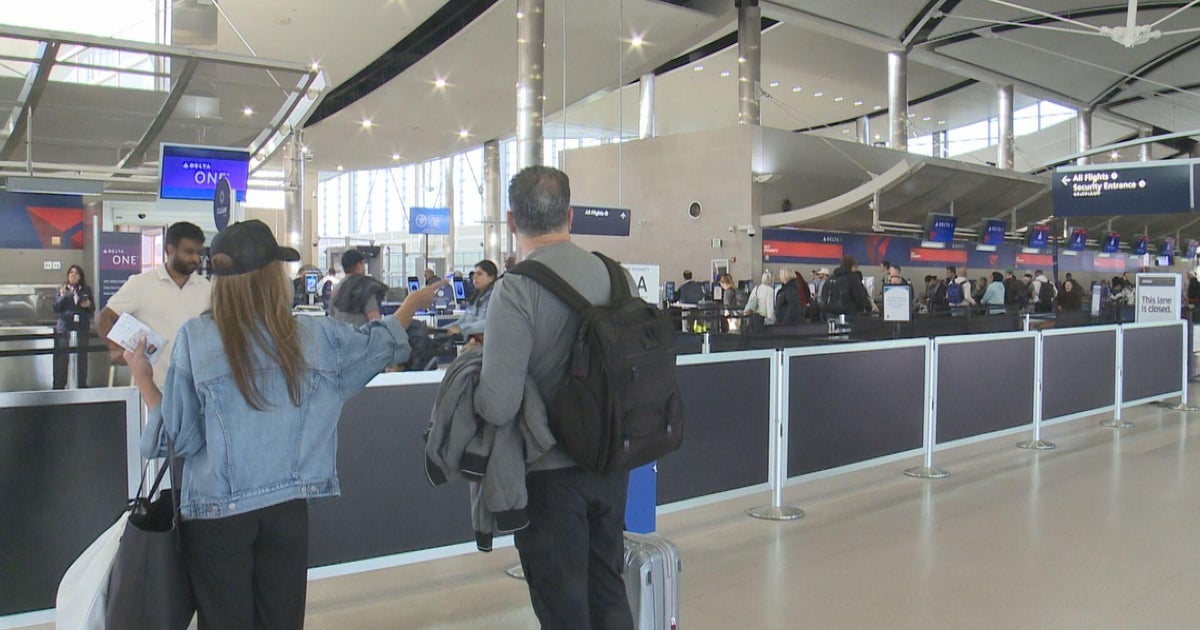
Detroit Metro Airport (DTW) is demonstrating operational resilience, diverging from national trends in Transportation Security Administration (TSA) wait times, even as a partial government shutdown impacts federal employee pay. While other major airports face significant staffing shortages and extended queues due to federal furloughs and increased call-out rates (reported nationally exceeding 10% of TSA officers with 366 agents leaving the force), DTW’s security screening processes have remained relatively fluid.
This localized stability, reportedly absorbing absences where other U.S. airports have seen up to 50% staff absenteeism, suggests effective local mitigation strategies or a less pronounced impact of the federal labor dispute on DTW’s staffing levels. The financial strain on TSA personnel is a contributing factor to national absenteeism. DTW’s ability to absorb or mitigate these absences without widespread traveler impact highlights potential strategic advantages, such as a larger pre-existing staffing buffer or more effective internal personnel management. This contrasts sharply with the national vulnerability of transportation infrastructure to federal labor disputes.
Infrastructure Projects and Travel Congestion
Adding complexity for travelers, a significant infrastructure project on Interstate 94 (I-94) in Wayne County introduces intermittent traffic stoppages. Scheduled for Saturday mornings from 7-9 a.m. (westbound I-94 between Merriman Road and Vining Road; eastbound I-94 from Wayne Road to Vining Road), these 15-minute stoppages are necessary for utility line relocation. This work is part of a larger 12.7-mile construction zone between Romulus and Dearborn, a critical corridor for airport access.
The timing of these I-94 closures, potentially coinciding with spring break travel and the federal shutdown, escalates logistical challenges for those heading to DTW. The Michigan Department of Transportation’s proactive communication via its Mi-Drive map aims to mitigate impact, but the physical disruption necessitates pre-planning for extended transit times.
Flight Disruptions and Airline Operational Challenges
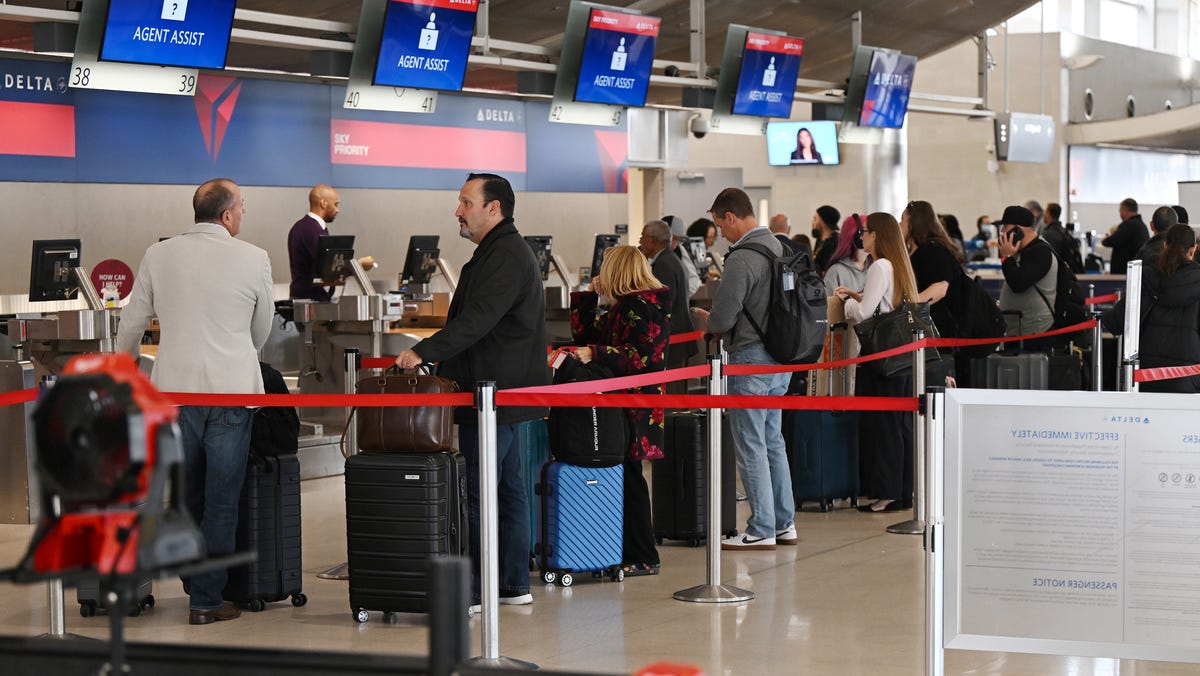
Beyond security checkpoints and road closures, DTW is experiencing substantial flight disruptions. On a recent Tuesday, over 350 flights were impacted, with more than 70 cancellations and over 280 delays. FlightAware data detailed 33 departures and 40 arrivals canceled, alongside 176 departures and 177 arrivals delayed.
The Wayne County Airport Authority, which operates DTW, notes that flight schedule adjustments are airline-specific, often influenced by weather. However, the scale of these disruptions suggests systemic issues beyond immediate meteorological events. Delta Air Lines, DTW’s largest carrier, reported eight cancellations and 54 delays on the same Tuesday, citing cascading effects from prior inclement weather that impacted flight crew availability due to mandatory rest period regulations. This highlights the fragility of airline operational networks, where disruptions can trigger a domino effect on crew scheduling and aircraft utilization, impacting passenger itineraries even after weather improves.
Strategic Implications and Ecosystem Vulnerabilities
The convergence of a partial government shutdown impacting TSA staffing, critical infrastructure maintenance, and airline operational challenges at DTW exposes broader vulnerabilities within the aviation ecosystem. While DTW’s TSA lines have remained manageable, the national context of high absenteeism and long waits signals a systemic risk. The reliance on federal employees for security functions means labor disputes or funding impasses can directly paralyze transportation hubs.
For airlines, the DTW flight disruptions underscore the interconnectedness of their networks and the difficulty in recovering from widespread weather events. Cascading impacts on crew availability illustrate how a single day of significant weather can disrupt operations for days, leading to financial losses from cancellations and rebookings. This necessitates robust contingency planning and greater investment in operational flexibility to absorb such shocks.
The DTW situation serves as a microcosm of broader aviation industry challenges: managing federal policy impacts, mitigating disruptive infrastructure work, and maintaining operational integrity amidst unpredictable weather and complex labor dynamics. Effective coordination between federal agencies, state transportation departments, and airlines is paramount for navigating these multifaceted pressures.
Competitive Landscape and Stakeholder Exposure
The differential impact of the government shutdown on TSA wait times across U.S. airports could subtly influence traveler choices and airline routing decisions. Airports demonstrating consistent operational resilience, even under federal strain, may gain a competitive edge in traveler perception. Conversely, airports experiencing prolonged, severe disruptions risk reputational damage and market share loss.
For airlines operating at DTW, managing their own operational disruptions independently of TSA issues becomes a key performance indicator. Delta Air Lines’ statement regarding crew availability highlights internal challenges in maintaining schedule integrity, directly impacting customer satisfaction and financial performance relative to competitors.
Traveler exposure remains the most immediate concern, with potential for significant inconvenience, missed connections, and financial loss. The interplay between federal shutdowns, infrastructure projects, and airline operational capacity creates a complex web of risks that passengers must navigate, underscoring the need for enhanced transparency and proactive communication from all involved entities.
Future Trajectories and Systemic Risk Assessment
The ongoing interplay of federal labor disputes, infrastructure modernization, and airline operational complexities at DTW foreshadows a future where systemic risk assessment is increasingly critical. The relative calm at DTW’s TSA checkpoints, while currently positive, is not guaranteed if federal funding or staffing issues persist. A prolonged shutdown could strain local resources, leading to widespread delays seen elsewhere.
The I-94 construction project, a necessary but disruptive investment, highlights the long-term capital planning required for transportation networks. Strategic phasing of such projects to minimize impact during peak travel periods and effective coordination with all reliant entities are crucial.
For the airline industry, the DTW flight disruptions emphasize the imperative to build greater redundancy and agility into network operations. This could involve diversifying crew bases, investing in adaptable aircraft configurations, or developing advanced real-time disruption management systems. The ability to absorb and recover from shocks will be key to competitive advantage and long-term viability in an unpredictable travel environment.