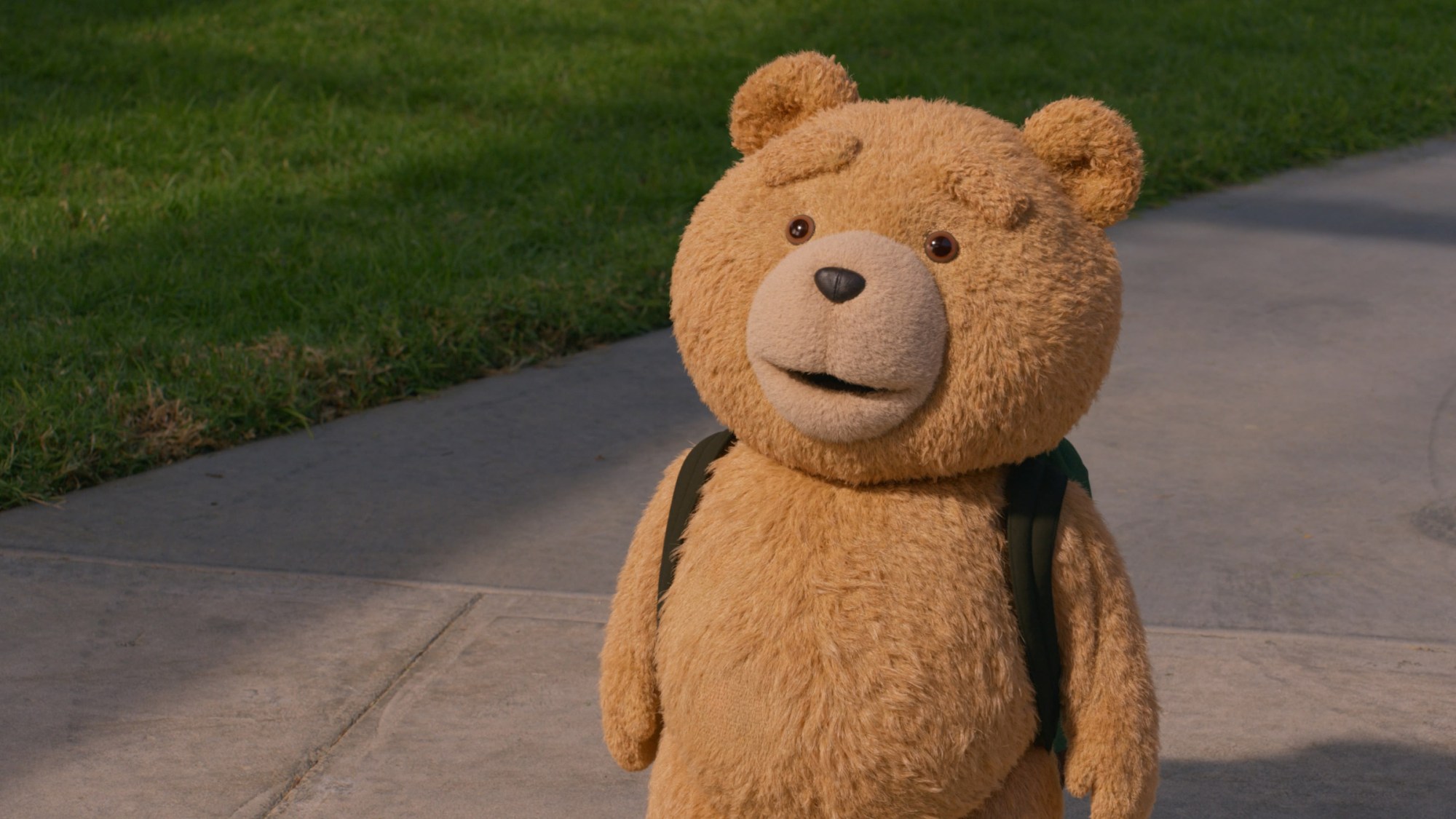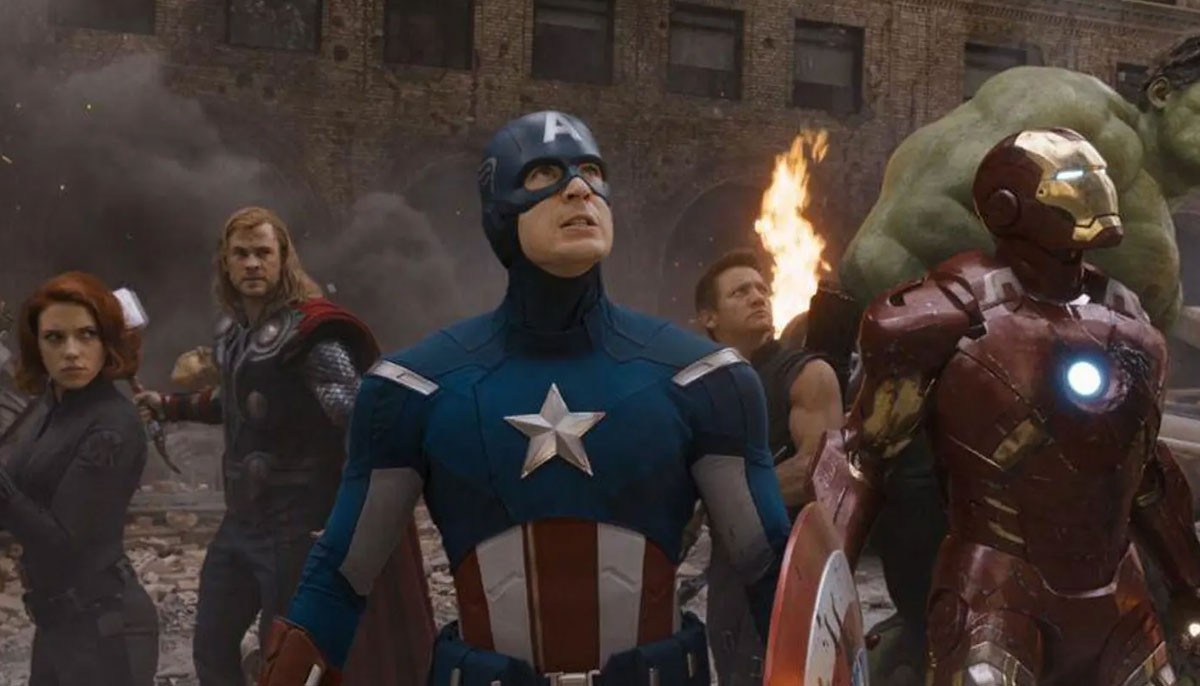
The trajectory of the Ted franchise on Peacock serves as a critical case study in the friction between high-performance streaming IP and the escalating marginal costs of cinematic-grade television. While the prequel series achieved record-breaking viewership for the platform, creator Seth MacFarlane has signaled a strategic hiatus, citing a lack of immediate plans for a third season due to unsustainable production overhead.
The Paradox of High-Fidelity Episodic Comedy
MacFarlane’s description of the workflow as producing an “Avengers movie every 20 minutes” highlights a fundamental shift in the operational demands of the half-hour format. Integrating a photorealistic CGI lead into a single-camera live-action environment requires a level of technical precision—and budget—traditionally reserved for tentpole features. This technical burden acts as a ceiling on scalability; the show’s success is tethered to an expensive international VFX pipeline, including specialized labor in Melbourne, Australia.
Strategic Position and the ‘Subscriber Lifetime Value’ Calculation
Despite a 90% Rotten Tomatoes audience score, Ted faces a precarious future. For Peacock, the series represents a ‘prestige anchor’—content intended to drive acquisition and reduce churn. However, the decision to stall Season 3 suggests that viewership metrics alone cannot offset the asymmetric cost-per-minute of production. The institutional hesitation reflects a need to re-evaluate the cost-to-benefit ratio of high-concept comedy within the current streaming economic climate.
Talent Management and the Animated Pivot
The franchise’s potential shift toward animated content, or a return to the format MacFarlane pioneered with Family Guy, represents a tactical move to decouple IP from physical production constraints. Animation offers a sustainable framework for managing the schedules of high-profile talent like Mark Wahlberg, whose availability often conflicts with the rigorous requirements of live-action filming. By mitigating the ‘taxing’ nature of live-action CGI, the brand may survive through a medium that permits greater creative flexibility without the ‘Avengers-level’ price tag.
Institutional Implications for the VFX Industry
The reliance on global VFX hubs underscores how streaming platforms have become major employers of high-end digital talent. If Ted remains on hiatus, it may signal a broader industry retreat from technically ambitious projects that lack clear paths to profitability. This transparency from MacFarlane regarding production exhaustion could lead to a market correction, where studios prioritize manageable, long-term production cycles over immediate technical spectacle.
Conclusion: The Future of Film-to-Streaming IP
Ted remains a proof-of-concept for successfully transitioning R-rated film IP into a streaming environment. Yet, its current impasse exposes the structural limits of ‘cinematic’ television. The ultimate fate of the series will depend on whether Peacock and NBCUniversal can engineer a more efficient production model or if the franchise must evolve back into animation to remain economically viable.