NYC Snowstorm Exposes Systemic Infrastructure and Accessibility Gaps
The 2026 New York City snowstorm sequence—including a massive initial event followed by freezing conditions—exposed significant structural vulnerabilities in municipal operations and resource allocation. The city faced a dual challenge: transitioning from heavy plowing to address initial accumulation to managing subsequent freezing temperatures and black ice. This shift highlighted a critical strain on existing protocols designed for single-event scenarios rather than sequential weather patterns, leading to operational bottlenecks in both logistics and labor deployment.
Ad-Hoc Labor and Fiscal Strain
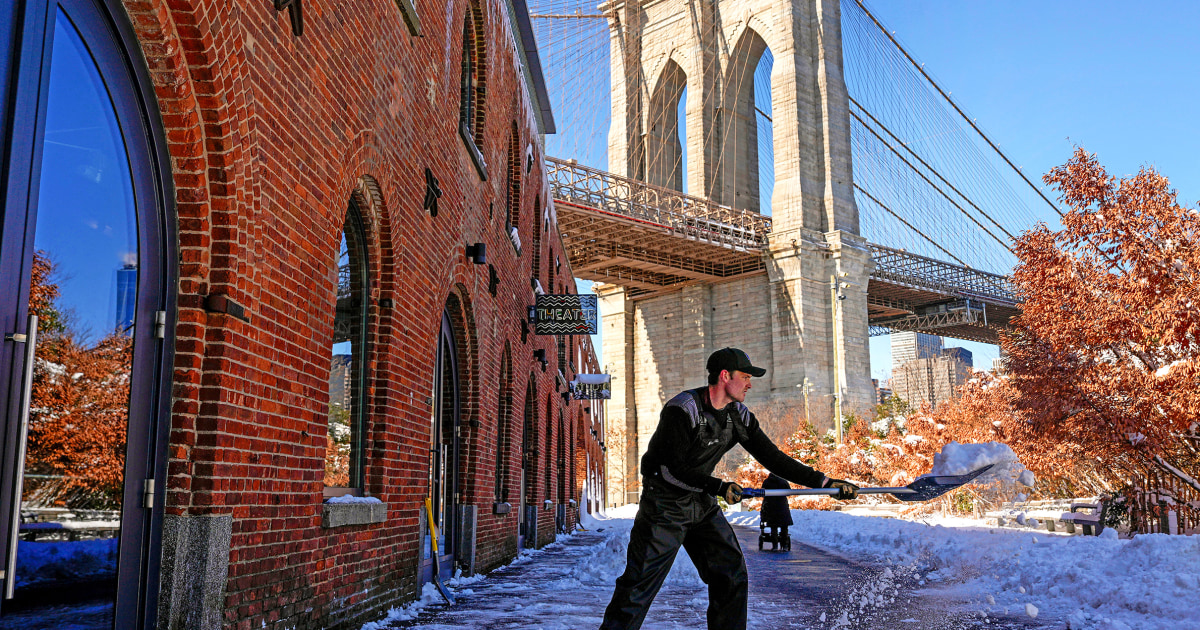
To address the scale of the crisis, Mayor Zohran Mamdani announced the recruitment of at least 3,500 emergency shovelers at a rate of $30 per hour. While this ad-hoc strategy provided immediate relief, it revealed a potential gap in full-time municipal resources and a structural reliance on variable, high-cost labor during emergencies. This approach raises questions about the long-term sustainability of using a ‘gig economy’ model for critical public services, potentially affecting morale and retention within permanent city departments, and placing significant pressure on the municipal budget.
The financial impact extended beyond labor costs. The deployment of 143 million pounds of salt, as reported by Mayor Mamdani, represented a substantial expenditure on materials and logistical coordination. Such high-volume usage raises concerns about supply chain resilience, especially if sequential storms deplete reserves faster than replenishment can occur. Furthermore, the environmental impact of massive salt application on local waterways and infrastructure corrosion adds another layer of long-term cost and often unquantified cost to municipal planning costs.
Accessibility Failures and Legal Liability
The crisis exposed significant inequalities in infrastructure access and emergency response prioritization. While efforts focused on clearing major thoroughfares for vehicular traffic, many sidewalks and bus stops remained impassable for days. Jeff Peters of the Center for Independence of the Disabled, New York, described parts of the city as “impassable islands,” highlighting a systemic failure to ensure equitable access during the emergency response.
This failure to maintain accessible pathways constitutes a critical operational and legal vulnerability for the municipality. The city’s prioritization of vehicular traffic over pedestrian mobility created a disproportionate impact on vulnerable populations, potentially violating accessibility standards and exposing the city to legal challenges under statutes like the Americans with Disabilities Act (ADA). The lack of clear sidewalks not only creates mobility barriers but also poses significant public health risks, increasing the likelihood of falls and injuries that strain emergency medical services.
Strategic Implications for Urban Resilience
The media framing of the event, including references to a “bomb cyclone” and “blizzard of 2026,” heightened public expectations regarding the speed and effectiveness of the municipal response, placing additional pressure on political leadership. The ensuing travel ban, while necessary for public safety, caused significant economic disruption across the region by halting commerce and impacting labor productivity.
The 2026 storm serves as a case study in the strategic trade-offs between economic functionality and social equity during crisis response. The documented facts reveal a system under significant strain, where short-term solutions mitigate immediate risks while exposing deeper structural vulnerabilities that require long-term investment in infrastructure, regulatory enforcement, and comprehensive labor planning. The reliance on high-cost, ad-hoc measures and the failure to ensure equitable access point to systemic issues that must be addressed to enhance long-term urban resilience in the face of escalating climate risks.