
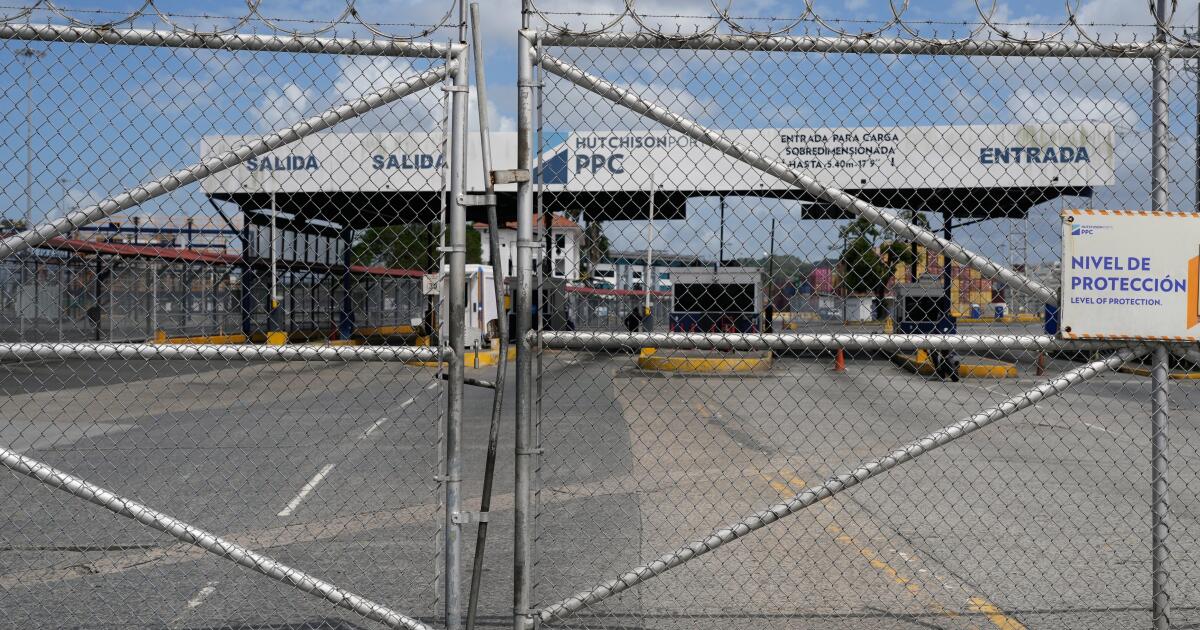
Panama Seizes Strategic Canal Ports Following Supreme Court Contract Annulment
Panama’s government has mandated the seizure of two crucial ports at the Panama Canal’s entrances following a definitive Supreme Court ruling that declared the operating concession of Hong Kong-based CK Hutchison Holdings unconstitutional. This decisive government decree empowers the Panama Maritime Authority to assume control of the Balboa and Cristóbal terminals, including all associated movable assets such as cranes and IT infrastructure.
The government’s justification for this immediate seizure cites “reasons of urgent social interest,” emphasizing the national imperative to secure control over these vital maritime gateways. The occupation encompasses all movable property within and outside the terminals, signifying a comprehensive assumption of operational command to prevent functional disruption of the canal.
This event is intrinsically linked to broader geopolitical considerations, particularly the strategic competition between the United States and China for influence over critical global trade routes. Previous U.S. administration concerns regarding potential Chinese dominance over this pivotal shipping artery highlight the sensitive nature of port control and its implications for international commerce and security.
Temporary operational management of the seized ports will be handled by a Danish company, a move designed to ensure service continuity while legal and commercial ramifications are addressed. This interim arrangement aims to mitigate immediate disruptions to shipping traffic and maintain the canal’s essential role as a global logistics hub.
CK Hutchison, the affected Hong Kong firm, is reportedly pursuing international arbitration against the Panamanian state, signaling a protracted legal dispute. This arbitration process may involve significant financial claims and further complicate the long-term operational and ownership landscape of these key port facilities.
The Supreme Court’s ruling invalidating the concession contract represents a significant legal and financial setback for CK Hutchison, which had invested substantial capital in the terminals’ operation and modernization. The unconstitutionality finding suggests potential procedural or substantive flaws in the original agreement, leading to its nullification.
Panama’s decision to occupy the ports rather than simply terminate the contract reflects a strategy to maintain immediate operational control and safeguard national interests, prioritizing the uninterrupted flow of global trade critical to Panama’s economy and international logistics role.
The involvement of major shipping lines like Maersk and MSC in the temporary management underscores their strategic interest in the Panama Canal’s stability and efficiency, highlighting global reliance on this waterway and the need for reliable oversight during transitions.
The broader implications of this seizure extend to the investment climate for foreign companies operating in Panama’s strategic infrastructure sectors. The abrupt termination of a concession, even post-judicial ruling, can create uncertainty regarding the security of long-term investments and the predictability of regulatory frameworks.
This situation underscores the intricate relationship between national sovereignty, international investment, and geopolitical influence in managing critical global infrastructure. Panama’s actions assert control over a vital national asset while navigating complex international pressures and domestic legal processes.
The international arbitration initiated by CK Hutchison will likely involve complex jurisdictional and contractual arguments. The outcome could have significant financial implications for Panama and set precedents for future infrastructure concession disputes in the region.
The temporary management by a Danish entity, alongside potential involvement from major shipping lines, signifies a pragmatic approach to maintaining operational integrity and mitigating immediate impacts on global supply chains reliant on the canal.
The government’s “urgent social interest” justification points to the critical role these ports play in both international trade and the domestic economy, framing the seizure as a measure to protect national interests from potential disruptions linked to the legal dispute.
Internal political ramifications in Panama are significant, with the Supreme Court’s decision and subsequent government action subject to intense public and political scrutiny. The handling of this high-profile dispute will test Panamanian governance efficacy and transparency.
The precedent set by this ruling and seizure could influence how other nations review and enforce major infrastructure contracts, especially those involving foreign entities and strategic assets, highlighting the inherent risks of large-scale international infrastructure investments.
CK Hutchison’s financial exposure extends beyond immediate operational losses to potential claims for damages and lost future profits through arbitration, with its strategic response closely watched by the global investment community.
The interim operational plan, involving a Danish manager and potentially major shipping lines, aims to ensure the day-to-day functioning of the Balboa and Cristóbal terminals remains largely unaffected, preserving the canal’s reputation as a reliable global transit point.
Geopolitical undertones, particularly the U.S. administration’s historical focus on preventing Chinese influence in strategic waterways, add complexity. While framed as a domestic legal matter, the broader regional implications are undeniable.
The occupation’s comprehensive scope, including all movable property and technological systems, demonstrates Panama’s intent to assume complete operational control, aiming for a seamless transition and preventing lingering dependencies on the former concessionaire.
Long-term implications for Panama’s attractiveness to foreign direct investment in critical infrastructure will depend on the transparency and fairness of subsequent legal and administrative processes, serving as key indicators for future investors.
The strategic importance of the Panama Canal as a global trade chokepoint means any instability can have wide-ranging economic ripple effects, which Panama’s swift government action aims to preemptively address.
The legal basis for the Supreme Court’s ruling, declaring the contract unconstitutional, will be central to the international arbitration, forming the core of both CK Hutchison’s defense and Panama’s justification for the seizure.
Ultimately, this situation highlights Panama’s challenge in balancing foreign investment attraction for critical infrastructure with asserting national control over strategic assets like the Panama Canal. The dispute’s resolution will have lasting economic and geopolitical implications.
The temporary management structure, involving a Danish company and potentially major shipping lines, presents a collaborative approach to navigating a complex legal and operational challenge, prioritizing the uninterrupted functionality of a critical global transit point.
The financial implications for CK Hutchison are substantial, encompassing loss of a major contract, protracted legal costs, and arbitration uncertainty, marking a significant disruption to its global port portfolio.
The government’s decree to occupy the ports, citing urgent social interest, is a strong assertion of state authority over vital national assets, prioritizing immediate operational control and national security over existing contractual arrangements.
International arbitration will be closely observed by global investors and legal experts, likely interpreting international investment law principles in this complex infrastructure dispute, potentially influencing future investment treaties and dispute resolution mechanisms.
The temporary operational framework, designed to maintain canal efficiency, is crucial for mitigating economic impacts on global supply chains. Prolonged disruption at this chokepoint would have far-reaching consequences for international trade and commodity prices.
The geopolitical context, particularly the U.S. administration’s focus on Chinese expansion in strategic waterways, adds international scrutiny. While the cause is domestic, regional influence implications are undeniable.
The comprehensive nature of the occupation, including all movable property and technological systems, demonstrates Panama’s intent for full operational control, ensuring a smooth transition and preventing lingering dependencies.
The long-term impact on Panama’s reputation for stable foreign investment in infrastructure will hinge on the transparency and fairness of subsequent legal and administrative processes, serving as a key indicator for future investors.
Temporary management by a Danish entity, potentially supported by major shipping lines, exemplifies a collaborative approach to navigating a complex challenge, prioritizing the uninterrupted functionality of a globally critical transit point.
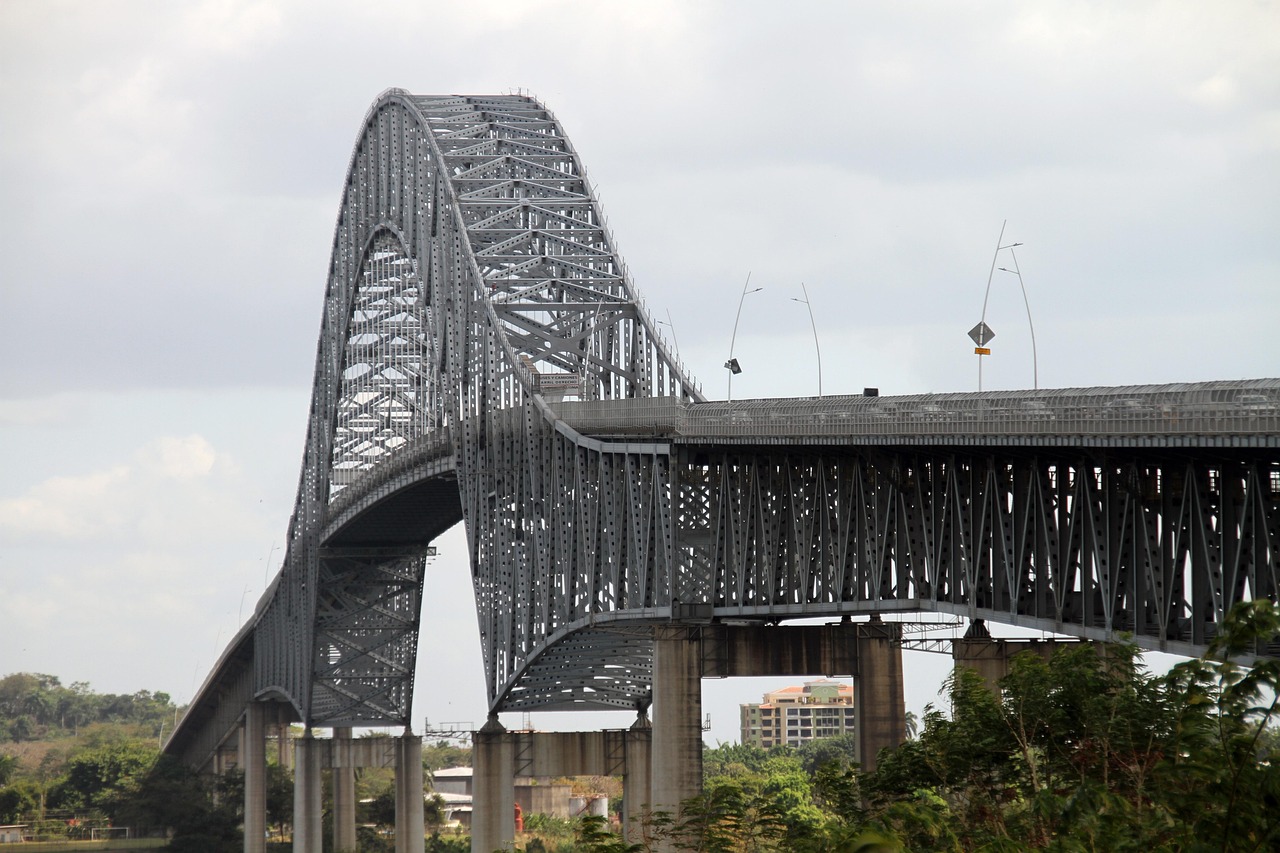
Photo by MonicaVolpin on Pixabay.