
Administrative Relief and Command Accountability
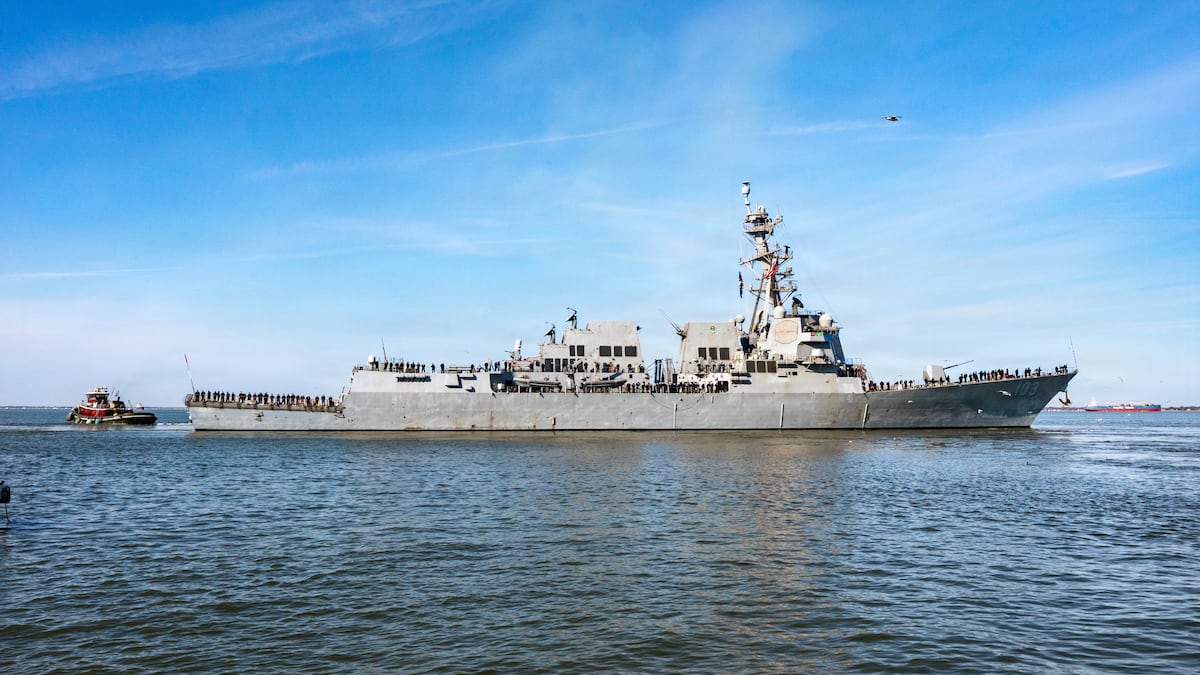
Rear Adm. Carlos Sardiello, commander of U.S. Naval Forces Southern Command, relieved Cmdr. James Koffi of his duties as commanding officer of the USS Truxtun (DDG 103) on Sunday. The Navy cited a “loss of confidence” in Koffi’s ability to command the Arleigh Burke-class guided-missile destroyer, a standardized administrative mechanism used to ensure leadership integrity following operational lapses.
The relief stems from a February 11 collision between the USS Truxtun and the USNS Supply, a fast combat support ship, during a replenishment-at-sea (RAS) maneuver. While two sailors sustained minor injuries and remained in stable condition, the incident triggered an immediate review of bridge resource management and navigational protocols. Cmdr. Koffi has been reassigned to Commander, Naval Surface Group Middle Atlantic, pending the final results of the investigation.
Operational Risks of Replenishment-at-Sea (RAS)
Replenishment-at-sea represents one of the most technically demanding non-combat maneuvers in naval operations. It requires two vessels to maintain precise station-keeping in close proximity while transferring fuel, ordnance, and stores. Any deviation in speed, heading, or communication can lead to the Bernoulli effect drawing the hulls together, resulting in the type of contact observed on February 11.
The USS Truxtun’s diversion to Ponce, Puerto Rico, for damage assessment highlights the logistical friction caused by such incidents. Physical contact between a destroyer and a supply vessel necessitates rigorous inspections of hull integrity and sensitive sensor arrays, potentially sidelining the asset during a critical mission window.
Strategic Implications for SOUTHCOM
At the time of the collision, the USS Truxtun was supporting U.S. Southern Command’s (SOUTHCOM) enhanced counternarcotics operations. These missions are vital for disrupting transnational criminal organizations and maintaining a visible deterrent near the Venezuelan coast. The temporary removal of an Arleigh Burke-class destroyer from the patrol line forces a recalibration of maritime interdiction capabilities in a geopolitically sensitive theater.
Cmdr. Taylor Auclair, arriving from U.S. Fleet Forces Command, has assumed command to stabilize the crew and restore operational readiness. The Navy’s rapid leadership transition is designed to minimize the duration of the Truxtun’s absence from its assigned station. This incident serves as a stark reminder of the thin margins for error in the maritime domain and the service’s uncompromising stance on commanding officer responsibility.
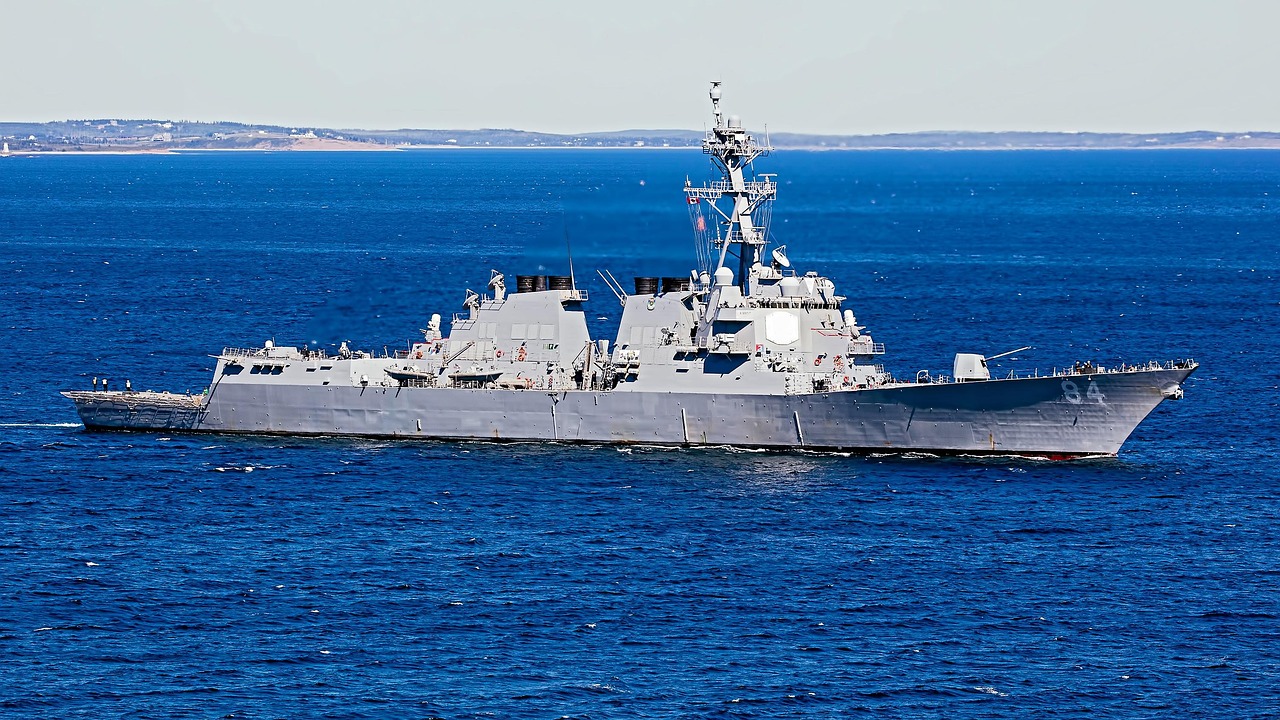
Photo by Canadian-Nature-Visions on Pixabay.