Strategic Implications of a Historic Nor’easter
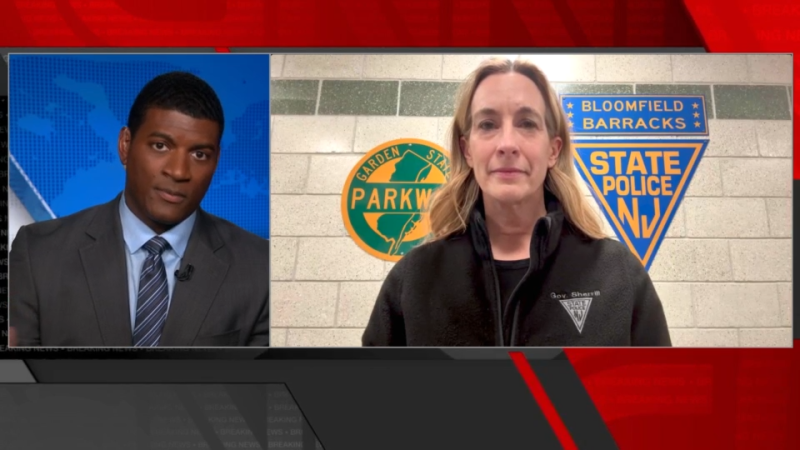
The February 2026 Nor’easter, specifically characterized as a developing bomb cyclone, imposed significant stress on critical infrastructure and regional supply chains across the Northeast, impacting over 40 million people. Governor Mikie Sherrill’s description of the conditions as “incredibly dangerous” highlights a strategic shift in risk communication, emphasizing preemptive measures to manage public expectations and mitigate liability. The decision to implement a statewide travel ban in New Jersey—a measure considered for the first time in three decades—reflects a high-stakes calculation balancing public safety against severe economic disruption. This event serves as a critical case study in regional governance, demonstrating the challenges of coordinated response when infrastructure designed for historical weather patterns encounters escalating climate volatility.
Operational Bottlenecks in Logistics and Transportation
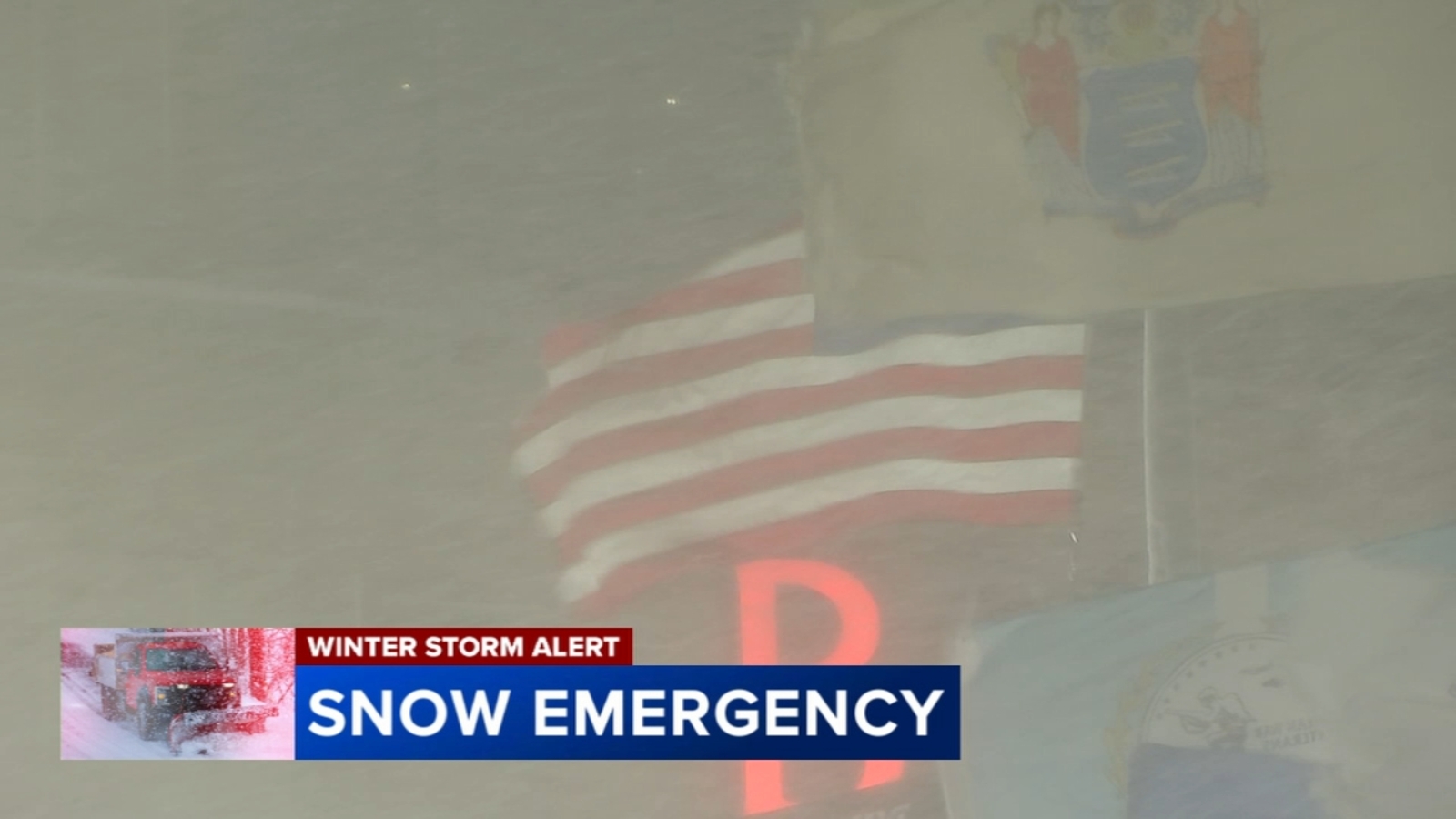
The storm’s specific characteristics—heavy, wet snow combined with powerful wind gusts—presented unique operational challenges for transportation networks and utility services. Heavy, wet snow places high mechanical stress on power lines and tree branches, significantly increasing the risk of widespread power outages, as illustrated by documented tree falls. The storm’s accumulation rate of 2 to 4 inches per hour exceeded the capacity of standard plowing operations to effectively clear roads for extended periods. This resource-intensive scenario strained municipal budgets and equipment availability. The statewide travel ban in New Jersey, while necessary for plowing operations and public safety, created immediate logistical bottlenecks by restricting last-mile delivery services and disrupting commercial supply chains for essential goods. Public transit services, such as SEPTA in the Philadelphia area, also required service adjustments, further isolating communities and impacting essential workers.
Financial Exposure and Capital Investment in Resilience
The financial impact of the Nor’easter extends beyond immediate operational costs for municipalities and utilities. The combination of heavy snow and wind creates significant capital exposure for public utilities and private property owners. Tree falls often result in damage to power infrastructure, leading to costly repairs and extended service outages, influencing long-term investment strategies in grid hardening and vegetation management programs. The statewide shutdown resulted in substantial short-term economic losses due to lost productivity from non-essential labor, reduced retail sales, and supply chain delays. Insurance claims for property damage, both residential and commercial, increase sharply during such events. The designation of a potentially “historic blizzard” suggests that existing risk models for insurance and capital investment may require recalibration to account for the increasing frequency and intensity of extreme weather events, influencing future insurance premiums and capital requirements for businesses in the region.
Governance, Policy Implications, and Climate Adaptation
The strategic response to the Nor’easter underscores the growing challenge of climate resilience for state and local governments. Infrastructure designed for historical weather patterns is increasingly inadequate for current climate realities. This necessitates a re-evaluation of long-term capital investment priorities, shifting focus from maintenance to proactive resilience measures. The vulnerability of power grids to heavy snow and high winds often prompts discussions about costly long-term solutions, such as undergrounding power lines. The financial burden of these upgrades requires strategic planning, potential federal funding, and changes to building codes and infrastructure standards. The 2026 Nor’easter will serve as a reference point for future policy debates on infrastructure investment and climate adaptation strategies in the Northeast, impacting resource allocation and regulatory frameworks across multiple states.
Media Framing and Public Response Dynamics
The media’s framing of the event, utilizing terms like “bomb cyclone” and highlighting the potential for a “historic blizzard,” played a crucial role in shaping public response and compliance with emergency orders. The high-intensity media coverage, with live updates across multiple news outlets, provided critical information for operational decisions by businesses and individuals. However, the use of strong language by public officials, as seen in Governor Sherrill’s statement, was a deliberate strategic choice to ensure public adherence to travel bans and safety guidelines. The dynamic between media portrayal and public perception of risk continues to influence public behavior and market responses during high-stakes weather events, potentially leading to panic buying and impacting supply chain stability.