NBA Imposes Fines on Jazz and Pacers, Intensifying Scrutiny on “Tanking”
The National Basketball Association has issued significant financial penalties to the Utah Jazz and the Indiana Pacers, totaling $600,000, for employing roster management strategies that the league asserts compromise competitive integrity. NBA Commissioner Adam Silver articulated that such overt prioritization of draft positioning over competitive on-court performance undermines core NBA principles and will be actively deterred.
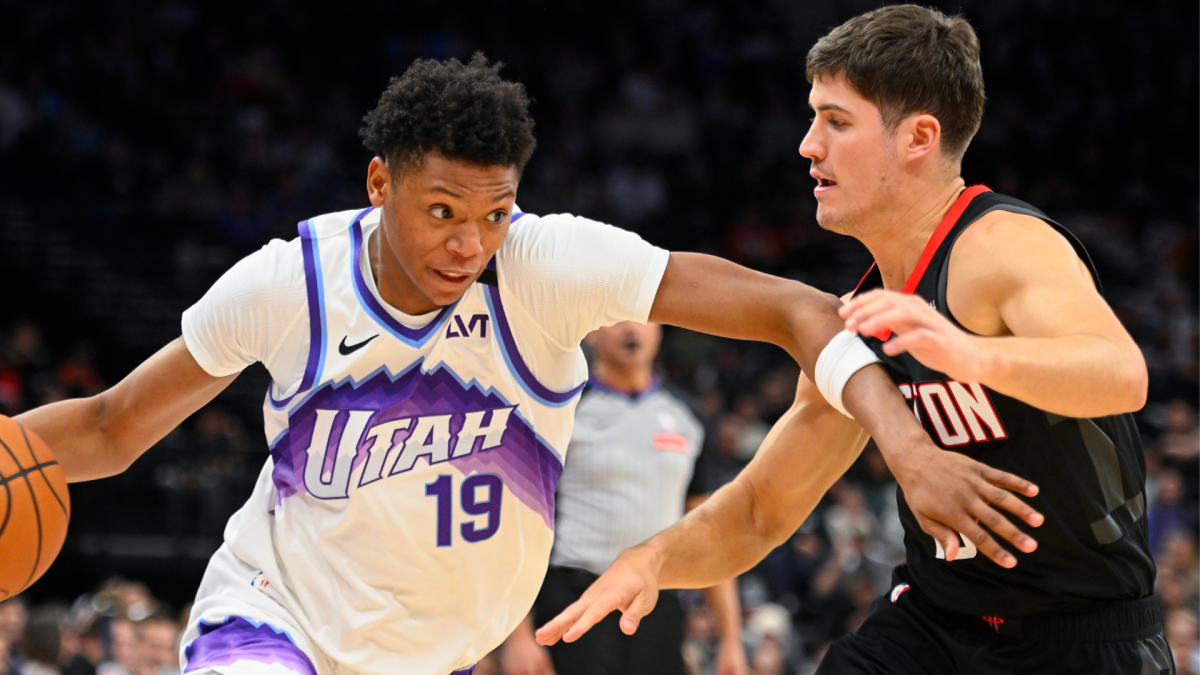
The Utah Jazz were fined $500,000, while the Indiana Pacers received a $100,000 penalty. These sanctions are a direct response to recent game management decisions, including the benching of healthy, key players in crucial late-game scenarios. The league’s official statement specifically referenced the Jazz’s actions in games against the Orlando Magic (February 7th) and Miami Heat (February 9th), where prominent players like Lauri Markkanen and Jaren Jackson Jr. were held out of fourth-quarter play despite being medically cleared and games remaining competitive.
Jazz coach Will Hardy’s terse response when questioned about benching Markkanen and Jackson in the Miami game – stating, “I wasn’t” – suggests a strategic calculation prioritizing future draft positioning over immediate game outcomes. This approach directly conflicts with the NBA’s stated commitment to ensuring maximum effort in all contests, a tenet vital for maintaining fan engagement and the economic value of media rights.
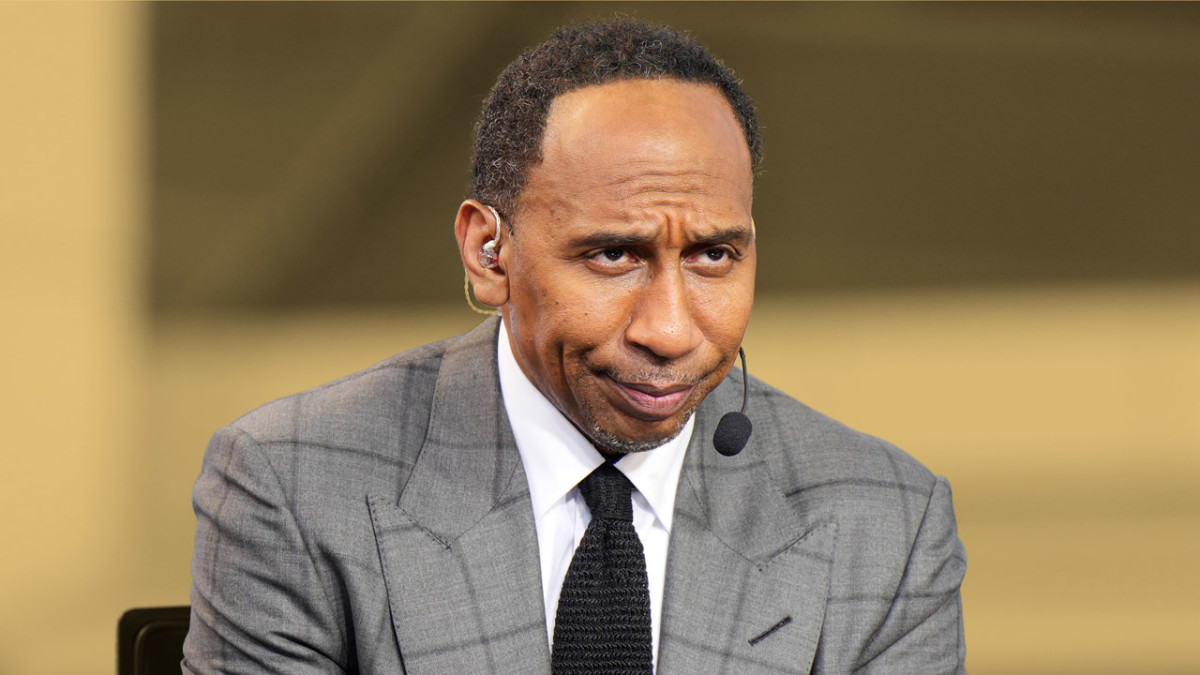
Prominent media figures, such as Stephen A. Smith, have voiced strong criticism, labeling deliberate tanking as disrespectful to ticket-buying and subscribing fans. This commentary reflects a growing sentiment that intentionally underperforming to secure higher draft picks devalues spectator investment, amplifying pressure on the league for decisive action.
The NBA’s announcement signifies a proactive league stance. Commissioner Silver highlighted ongoing collaboration with the Competition Committee and Board of Governors to develop and implement additional deterrence measures. This suggests a multifaceted strategy, potentially including alterations to the draft lottery system, enhanced roster management regulations, or increased penalties for non-compliance, reflecting the league’s recognition of tanking’s systemic impact on the sport’s perception and financial ecosystem.
The timing of these fines, preceding the NBA All-Star Weekend, thrusts the contentious issue of tanking into the league’s central discourse. The current draft class, featuring highly touted prospects, intensifies the incentive for teams to strategically position for top selections, exacerbating the tension between team-building strategies and league-wide competitive balance.
The league’s acknowledgment that “everyone seems to be paying attention to NBA tanking — yes, even the lottery picks themselves” underscores the pervasive nature of this strategy and its influence across all stakeholders, including prospective talent. The proliferation of terms like “Capture the Flagg” on social media illustrates how draft narratives are increasingly intertwined with team performance and the perceived legitimacy of the league’s competitive structure.
The fines represent a direct financial deterrent. For the Jazz, a $500,000 penalty is substantial, signaling the league’s view of their actions, particularly for a franchise actively rebuilding via the draft. The Pacers’ $100,000 fine serves as a warning to other franchises contemplating similar strategies.
These punitive measures aim to recalibrate team incentives, shifting focus toward maximizing on-court performance. By increasing the cost of tanking, the NBA seeks to make the pursuit of immediate wins a more attractive and less financially risky proposition, preserving the regular season’s competitive value for fans and bettors.
The league’s commitment to “root out this type of conduct” implies an evolving regulatory framework. This could involve a review of player participation rules, roster construction guidelines, and end-of-season performance metrics, with input from the Competition Committee and Board of Governors to foster a more equitable league environment.
Beyond immediate penalties, teams perceived as overtly tanking risk reputational damage, potentially affecting their ability to attract free agents and maintain fan loyalty. The long-term sustainability of the NBA’s economic model relies on the perception of fair competition; undermining this perception can negatively impact revenue streams.
Strategic decisions surrounding tanking also have direct implications for player development and team culture. An environment that rewards losing can foster a mindset antithetical to building a sustainable winning tradition. The league’s intervention aims to reinforce a culture of competition, prioritizing player growth and team performance over short-term draft advantages.
The NBA’s response addresses broader market dynamics. In an era valuing data analytics and strategic planning, the temptation to optimize for future assets through tanking is significant. However, the NBA’s stance underscores a critical balance: strategic planning must not compromise the integrity of the competition itself, the primary product marketed to consumers.
The fines levied against the Jazz and Pacers serve as a clear signal to all franchises. The league intends to enforce rules more rigorously and protect the competitive balance crucial for the sport’s long-term health, aiming to preempt further erosion of fan trust and ensure excellence remains the primary objective.
The NBA’s commitment to addressing tanking is complex, balancing team autonomy, competitive fairness, and fan engagement. The current fines and promised measures signal a shift from tacit acceptance to active deterrence of practices undermining professional sports competition.
The strategic implications for franchises are substantial. Teams relying on tanking for rebuilding may need to re-evaluate long-term planning. Increased scrutiny and potential penalties necessitate nuanced roster management, balancing the desire for future talent with the imperative to remain competitive throughout the season.
The league’s stance also impacts the media landscape. As tanking becomes a prominent discussion point, sports media plays a key role in shaping public perception. The NBA’s actions may influence the narrative surrounding team performance, shifting focus from draft projections to in-season competitiveness and strategic decision-making.
Ultimately, the NBA’s disciplinary action against the Jazz and Pacers represents a critical juncture in preserving competition integrity. The league’s willingness to impose financial penalties and explore regulatory measures underscores its commitment to a level playing field and maintaining trust among fans and stakeholders.
The structural tension between draft lottery incentives and competitive parity is a persistent challenge for sports leagues. The NBA’s current actions suggest a strategic recalibration to mitigate negative externalities of a system that can inadvertently reward suboptimal performance.
The financial leverage of broadcast rights and sponsorships is intrinsically linked to the perceived fairness and excitement of the NBA product. Compromises in competitive integrity, such as widespread tanking, pose a direct threat to these revenue streams, necessitating decisive league action.
The performance leverage of star players is also a factor. Intentionally sidelining star players diminishes the value proposition for fans who pay to see top talent compete. The league’s intervention aims to protect this crucial element of the fan experience.
Capital movement within the NBA is influenced by team valuations, tied to on-court success and market perception. A league perceived as less competitive due to tanking could dampen investment and franchise values, making the league’s current stance a matter of financial prudence.
The NBA’s institutional strategy is being tested by the pervasive nature of tanking. The league’s response aims to safeguard its long-term viability and its position as a premier global sports entertainment product.
Cultural implications within the league are also significant. By penalizing tanking, the NBA reinforces a norm prioritizing winning and competitive effort, impacting team operations and player career approaches.
The systemic vulnerability exposed by tanking lies in the conflict between short-term asset accumulation (high draft picks) and long-term sustainable success. The league’s intervention seeks to realign these incentives for a more balanced approach to team building.
The competitive implications of rampant tanking are far-reaching, leading to a less engaging product for fans, potentially impacting viewership, attendance, and the NBA ecosystem’s overall economic health.
The current actions represent a strategic decision to actively manage performance narratives and realities, signaling a commitment to a more robust and integrity-driven competitive environment.