
The Institutional Strain of Commercial Acceleration
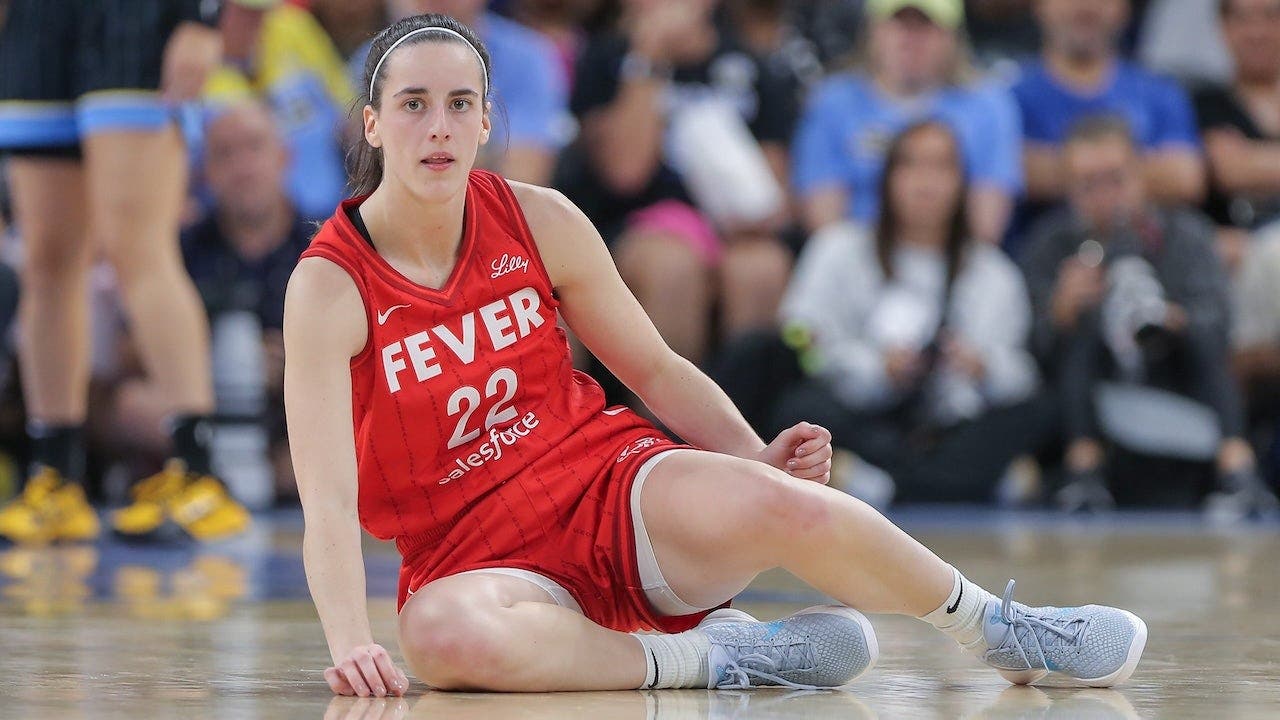
The WNBA’s current governance crisis demonstrates the structural friction that occurs when rapid commercial scaling outpaces legacy regulatory frameworks. The league’s unprecedented transition from a niche sports property to a multi-billion-dollar media asset has exposed significant deficits in its internal disciplinary mechanisms. This institutional lag has invited fierce criticism from lawmakers and international athletes, indicating that traditional self-regulation is failing to manage the escalated physical and financial stakes of the modern era.
The Asset-Protection Paradox: Enterprise Value vs. Physical Risk
In professional sports entertainment, elite athletes are the primary drivers of enterprise value, directly dictating media rights valuations, ticket yields, and sponsorship liquidity. Unchecked or asymmetric physical escalation on the court constitutes an unhedged operational risk. When dangerous actions—such as documented blows to a player’s throat or neck—fail to trigger swift, uniform disciplinary action, it threatens the brand equity of the league’s primary commercial assets. Olympic gold medalist Nancy Hogshead emphasized this governance failure, arguing that protecting transformational players is not about favoritism, but about enforcing a baseline of physical safety that must extend universally across the roster to preserve the integrity of the athletic product.
Legislative Inquiries and the Threat of Regulatory Encroachment
External political intervention represents the most severe threat to the WNBA’s administrative autonomy. A formal letter of inquiry from United States lawmakers seeking accountability over player safety standards marks a critical escalation. For sports leagues operating under complex frameworks of public subsidies, local municipal arena agreements, and antitrust exemptions, legislative scrutiny is not merely a public relations challenge; it is a structural threat. If federal or state authorities perceive that a private sports league is unable to guarantee basic workplace safety and equitable regulatory enforcement, it risks triggering broader statutory interventions and independent oversight mandates.
The Officiating Bottleneck: Operational Friction on the Hardwood
The operational front line of player safety is the league’s officiating corps, which is currently experiencing a severe technical bottleneck. The transition to a faster, more physical, and highly scrutinized game has strained the limits of current referee performance. When on-court officials fail to establish early boundary control, competitive physical play degenerates into dangerous, non-basketball contact. This regulatory breakdown is exacerbated when the league’s retrospective disciplinary committee fails to align post-game sanctions with on-court rulings, creating a volatile competitive environment and eroding trust among players, coaches, and corporate partners.
Transnational Reputational Risk and Global Market Integration
The critique of the WNBA’s governance has transcended domestic boundaries, drawing sharp public rebukes from international Olympians, including Jamaican skeleton athlete Anthony Watson. This multi-national, multi-disciplinary athlete coalition signals that the league’s internal governance issues are actively damaging its brand equity abroad. For an organization seeking to expand its global licensing, international broadcast distribution, and recruitment of elite foreign talent, a reputation for deficient athlete protection serves as a direct barrier to international capital and talent acquisition.
The Legacy of Institutional Friction: The 2024 Olympic Selection Context
The current climate of hyper-scrutiny cannot be divorced from the institutional friction surrounding the 2024 U.S. Olympic roster selection. The decision by USA Basketball’s selection committee to omit a highly marketable rookie sensation exposed a stark disconnect between traditional meritocratic governing bodies and the commercial imperatives of modern sports entertainment. This historic omission concentrated media attention back onto domestic league play, intensifying the scrutiny on how the WNBA protects its most visible revenue-generating assets from targeted, non-basketball physical play.
Operational Risk Mitigation: A Blueprint for Reform
To secure its long-term commercial trajectory, the WNBA must transition from reactive crisis management to a proactive risk-mitigation framework. This requires a comprehensive overhaul of its collective bargaining agreements, a precise recalibration of the disciplinary code with strict liability penalties for non-basketball actions, and substantial capital investment in officiating pipelines and technology. By establishing a transparent, predictable, and robust governance structure, the WNBA can protect its human capital, maintain its regulatory autonomy, and solidify its status as a highly investable global sports franchise.

Photo by DtheDelinquent on Pixabay.