Strategic Divergence: Elegy vs. Evolution
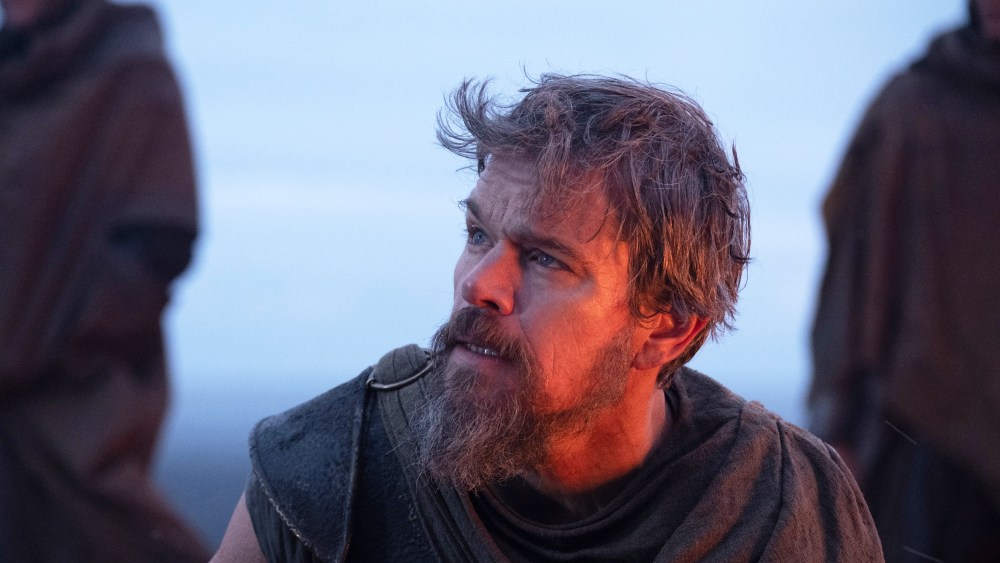
The production of Christopher Nolan’s The Odyssey has exposed a fundamental ideological rift between the director and his lead, Matt Damon. While the production utilizes massive practical assets—headlined by a 60-foot Cyclops puppet filmed in Cretan caves—Damon has characterized the project as a nostalgic elegy for a dying era of location-based filmmaking. Nolan, conversely, rejects this defeatist framing, positioning the film as a strategic pivot toward a revitalized cinematic economy that prioritizes physical presence over synthetic efficiency.
The Economic Proof of Practical Authenticity
Nolan’s optimism is anchored in empirical market shifts, specifically the disruptive success of independent horror. Curry Barker’s Obsession and Kane Parsons’ Backrooms have collectively generated over $750 million in global revenue on negligible budgets. Obsession, which grossed $400 million for Focus Features against a $750,000 investment, represents the highest ROI for a festival acquisition in history. These figures indicate that capital is not fleeing the medium but is instead being redirected toward high-impact, creator-driven visions that bypass digital shortcuts.
Institutional Authority and the AI Paradigm
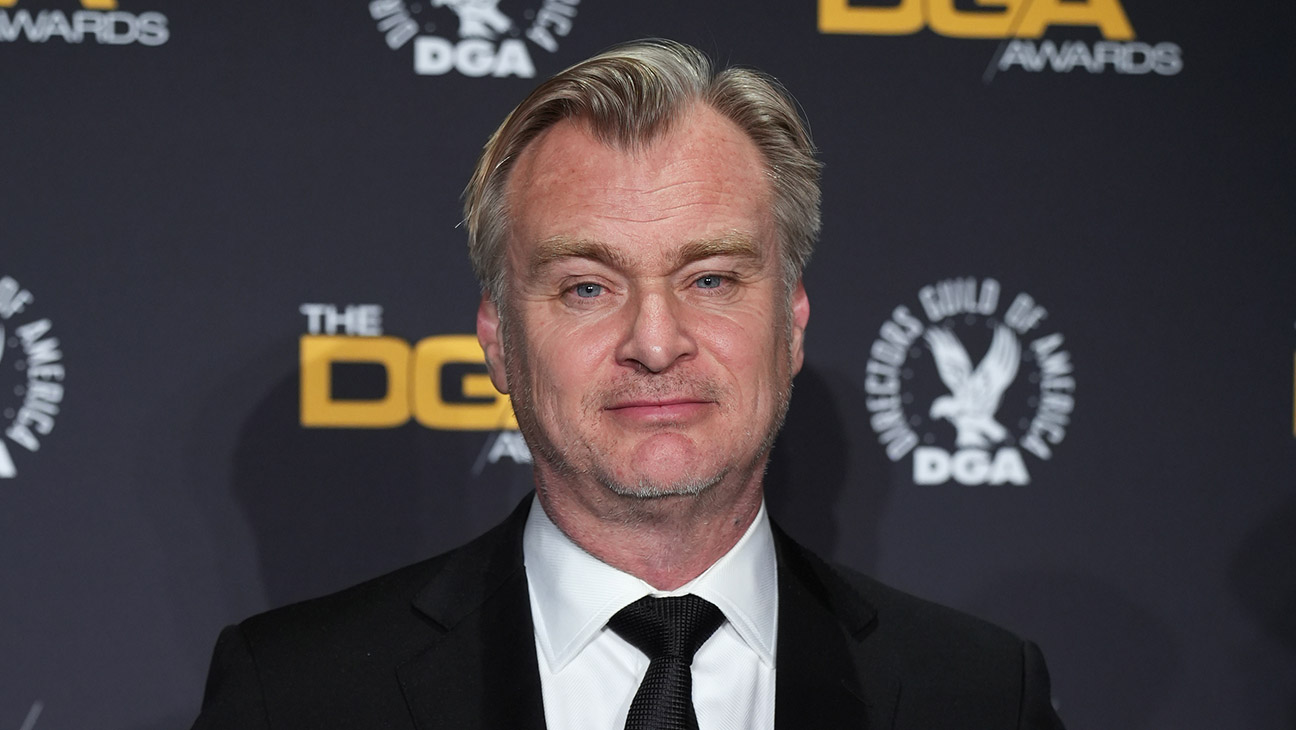
As President of the Directors Guild of America (DGA), Nolan’s critique of generative AI transcends traditional labor concerns. He identifies a ‘wholesale dismissal’ of machine-made aesthetics by younger demographics—a phenomenon he labels ‘AI slop.’ This rejection is driven by the digital fluency of Gen Z, whose inherent understanding of synthetic textures allows them to instantaneously devalue AI-generated content. For studios, over-investing in AI tools represents a significant strategic risk if the core theatrical demographic actively avoids machine-produced assets.
Generational Fluency as a Market Barrier
The ‘tactile reality’ of The Odyssey serves as a calculated hedge against the diminishing returns of digital media. By doubling down on physical production, Nolan creates a visual language that is immune to the rapid aesthetic fatigue associated with synthetic content. This approach transforms large-format filmmaking from a costly eccentricity into a durable competitive advantage. The success of young, digitally native voices like Parsons further validates that the future of cinema lies in human ‘obsession’ rather than algorithmic optimization.
Conclusion: Authenticity as the New Capital
The dialogue surrounding The Odyssey suggests that the industry is undergoing a market correction. As the distinction between ‘real’ and ‘synthetic’ becomes a primary driver of consumer choice, the traditional epic thrives by leaning into its physical roots. For stakeholders, the takeaway is clear: in an era of digital saturation, authenticity has become the most valuable currency in the Hollywood ecosystem.