The partial government funding lapse has acutely exposed a structural fragility within the US aviation security apparatus, manifesting in a critical operational divergence between Transportation Security Administration (TSA) federal employees and private contractors participating in the Screening Partnership Program (SPP).
Operational Bifurcation Under Fiscal Duress
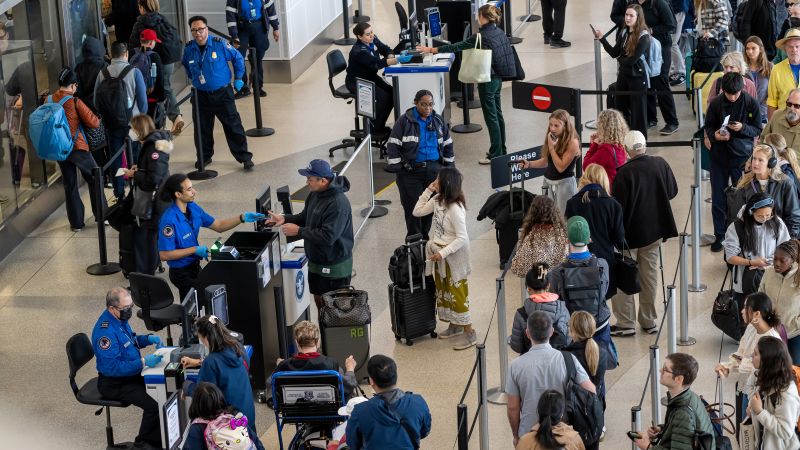
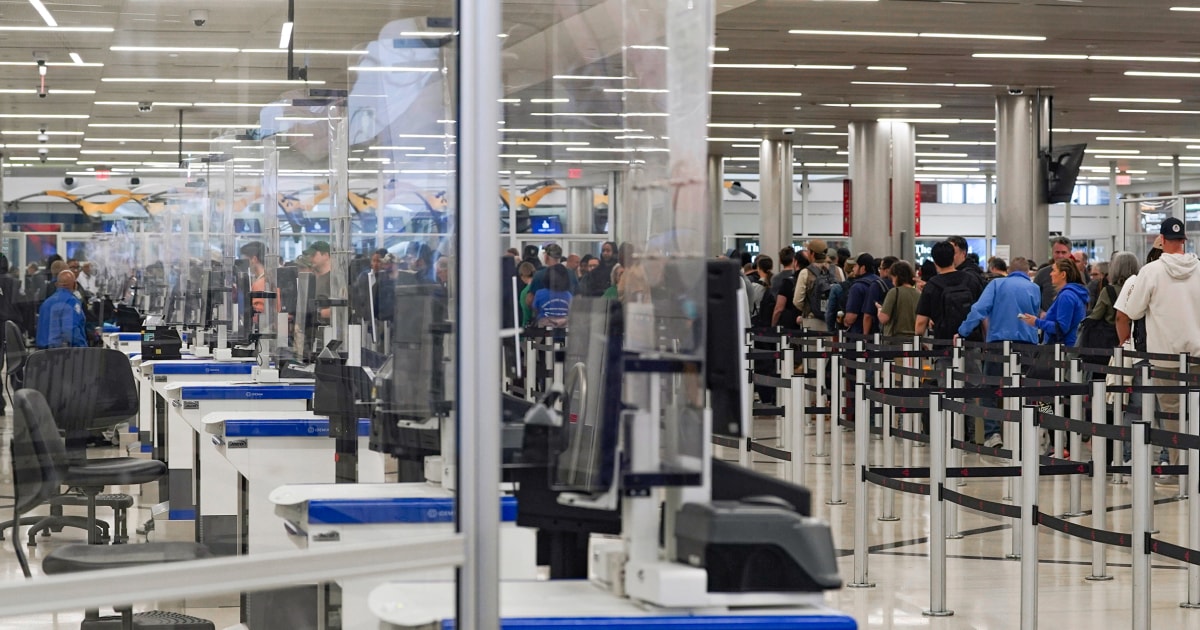
At twenty designated airports utilizing the SPP model, operations remain insulated from the DHS funding crisis. These checkpoints report sustained service levels, with wait times consistently under three minutes. This contrasts sharply with facilities relying solely on federal TSA personnel, where congestion led to reported wait times exceeding two hours at major transit points, including Houston’s George Bush Intercontinental and Atlanta’s Hartsfield-Jackson.
This bifurcation is not incidental; it reveals a strategic trade-off in security outsourcing. SPP participation acts as an administrative buffer against federal budget paralysis, yet it simultaneously creates segregated resilience tiers based on employment structure, questioning the efficacy of centralized federal oversight during fiscal crises.
Compounding Loss of Institutional Knowledge via Attrition
The immediate consequence of non-payment mandates was significant human capital flight: over 400 federal TSA officers resigned post-shutdown initiation (February 14th), according to DHS disclosures. Strategically, this attrition disproportionately impacts operational competency: nearly 50% of those departing possessed over three years of experience, and a third had tenure exceeding five years. This represents a non-linear degradation of institutional knowledge critical for complex screening protocols.
Furthermore, widespread financial stress is evidenced by a national callout rate reaching 10% on over half the days analyzed, indicating that voluntary absences, driven by economic necessity, compound the mandated staffing deficits. The immediate operational decay is thus a function of both resignations and acute absenteeism among the remaining workforce.
Incentive Structure Flaws and Labor Stability Risk
The hardship cited by TSA staff—the inability to meet basic financial obligations—underscores the inherent instability of federal employment when compensation is politicized by appropriations debates. SPP contractors, by employing private sector labor, effectively transfer this immediate labor stability risk away from the federal budget cycle.
This disparity imposes tangible economic costs on TSA-dependent airports. Through reduced passenger throughput, delayed airline scheduling, and friction in cargo logistics, the operational inefficiencies translate directly into revenue loss and reputational damage, accelerating pressure for federal funding resolution.
Strategic Re-evaluation of Federal Mandate
The reported status of SPP airports being “completely oblivious to the government shutdown” forces a strategic re-evaluation of TSA’s core mandate and the capital cost associated with maintaining a fully federalized workforce. If private entities can sustain equivalent or superior security service levels during a federal collapse, it implies that the operational overhead and bureaucratic complexity of the federal structure introduce systemic fragility.
Contractors like VMD Corp. gain significant competitive validation from this crisis. Their demonstrated continuity enhances their negotiation posture for future federal contracts. Conversely, TSA-reliant airports face elevated perceived long-term operational risk, potentially spurring internal reviews toward SPP expansion where regulation permits.
Governance Vulnerability and Political Leverage
The crisis exposes a critical governance gap: policy disputes entirely unrelated to aviation safety (e.g., border enforcement demands driving the DHS funding standoff) are leveraged to disrupt essential infrastructure. This linkage demonstrates how non-security legislative priorities can compromise physical security operations, imposing a political risk premium on all federal security planning.
The documented human cost—experienced officers choosing resignation over non-payment—highlights a fundamental structural failing: the perceived stability of federal employment dissolves under acute political pressure, resulting in an immediate capital flight of experienced labor from the agency.
Conclusion on Long-Term Structural Impact
The empirical evidence confirms that federalized screening carries an inherent, politically induced fragility. SPP participants demonstrate superior operational robustness under fiscal stress. The resulting depletion of experienced TSA personnel necessitates costly, long-term remediation efforts to rebuild institutional expertise, suggesting that TSA-staffed airports will operate at a sustained efficiency deficit long after the shutdown concludes. The market is now reacting to demonstrated resilience versus demonstrated fragility.