The 2026 NBA fiscal landscape is defined by the punitive architecture of the second apron, a mechanism that has transformed front-office strategy from simple talent acquisition into complex asset optimization. The New York Knicks and Detroit Pistons exemplify two distinct approaches to navigating these CBA-mandated constraints, balancing the pursuit of contention with the necessity of long-term financial sustainability.
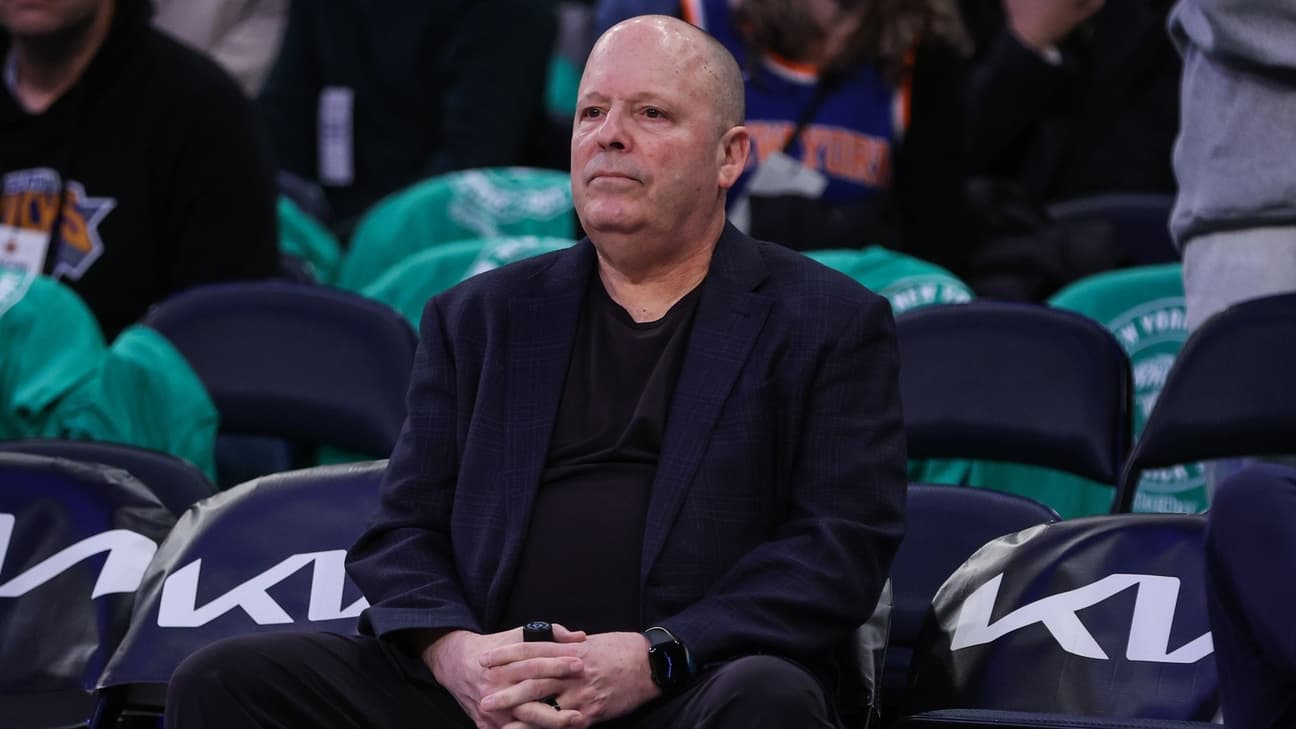
For the New York Knicks, the decision to forgo a 2026 first-round selection is a calculated structural pivot. By liquidating this pick, the organization generates an immediate $3.4 million in cap relief—a marginal but critical figure for a franchise operating within high-tax tiers. This maneuver prioritizes core preservation over speculative rookie development, mitigating the risk of frozen draft assets and trade restrictions. The focus has shifted toward the surgical management of veteran efficiency, specifically regarding Miles McBride. While McBride remains a high-value asset at $3.9 million for the 2025-26 season, his looming extension creates a financial paradox: the front office must reconcile his regular-season utility against postseason volatility and his projected market ceiling.
Strategic speculation suggests the Knicks may leverage McBride’s current value to acquire cost-controlled alternatives like Yves Missi. Missi, under contract for $3.5 million with a $5.6 million team option in 2027-28, represents the archetype of the modern, fiscally sustainable center. His defensive floor provides a viable succession plan for Mitchell Robinson, whose departure appears increasingly likely as the Knicks seek to shed long-term salary commitments. The emergence of internal, low-cost prospects like Derik Queen and Karlo Matkovic further facilitates this transition toward a more flexible center rotation.
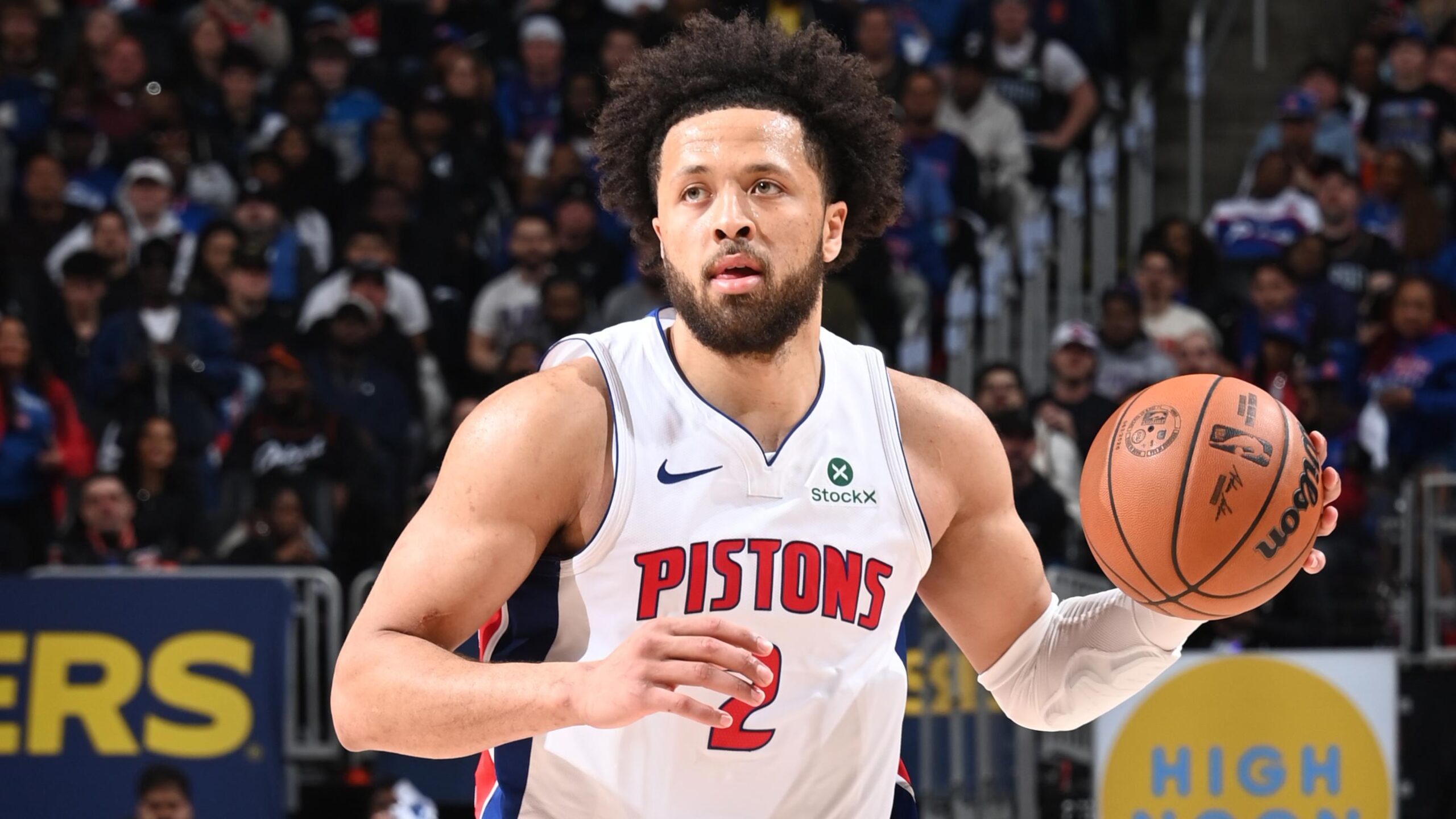
Conversely, the Detroit Pistons enter the 2026-27 cycle with a top-heavy salary hierarchy anchored by Cade Cunningham’s $50.1 million max-scale commitment. This single contract dictates the ceiling for Detroit’s supplementary roster moves. The Pistons are currently burdened by a $46 million mid-tier block consisting of Duncan Robinson ($15.99M), Isaiah Stewart ($15M), and Caris LeVert ($14.8M). This rigid structure necessitates a high return on investment from rookie-scale assets like Ausar Thompson ($11.1M) and Ron Holland II ($9.1M). For Detroit, the financial viability of their rebuild hinges on these lottery picks providing surplus value to offset the lack of cap space for high-profile free agents.
The Pistons’ most volatile variable is the restricted free agency of Jalen Duren. While Detroit retains matching rights, a market-driven overpay could compromise their ability to maintain a functional rotation. This risk is compounded by the impending unrestricted free agency of Tobias Harris, Kevin Huerter, and Javonte Green. In a landscape where the second apron punishes depth-building through traditional means, Detroit must rely on low-risk team options like Daniss Jenkins and Tolu Smith III to fill out the bench. Ultimately, the 2026 season serves as a litmus test for whether top-heavy fiscal models can survive the NBA’s increasingly restrictive tax environment.