The 2026 NBA transaction cycle serves as a critical case study in market volatility, defined by a series of maneuvers that deviate from established valuation metrics. Despite the proliferation of sophisticated data modeling, the current distribution of capital indicates significant strategic friction. This disconnect is most apparent in the tension between the restrictive Collective Bargaining Agreement (CBA) and high-guarantee commitments made to players with plateauing or declining statistical profiles.
The Statistical Anomaly of the Milwaukee-Trent Agreement
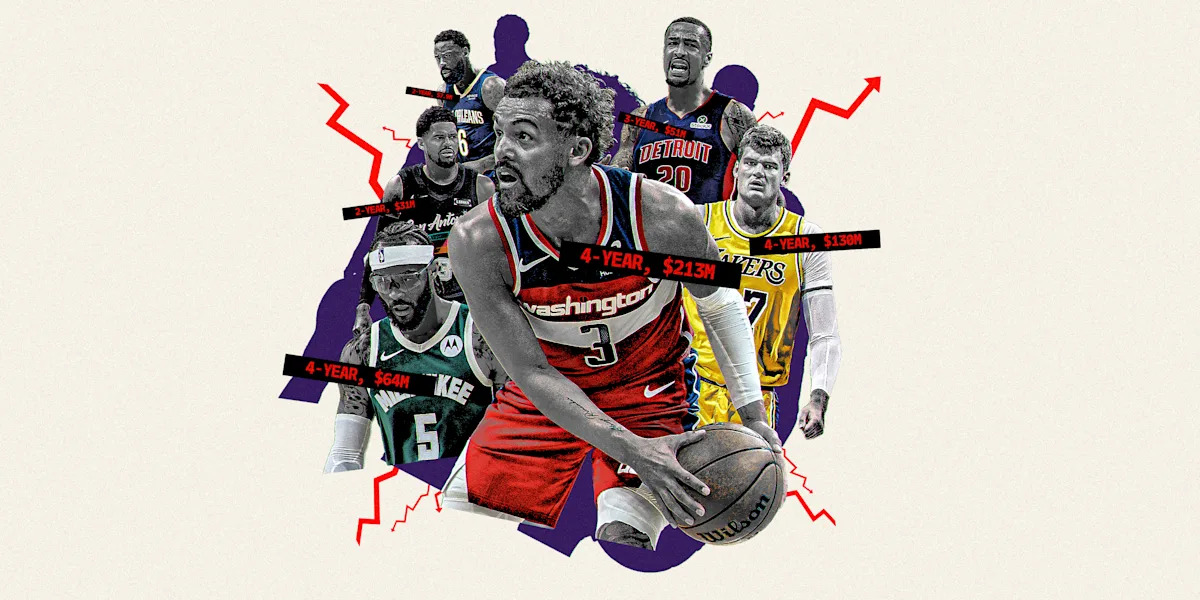
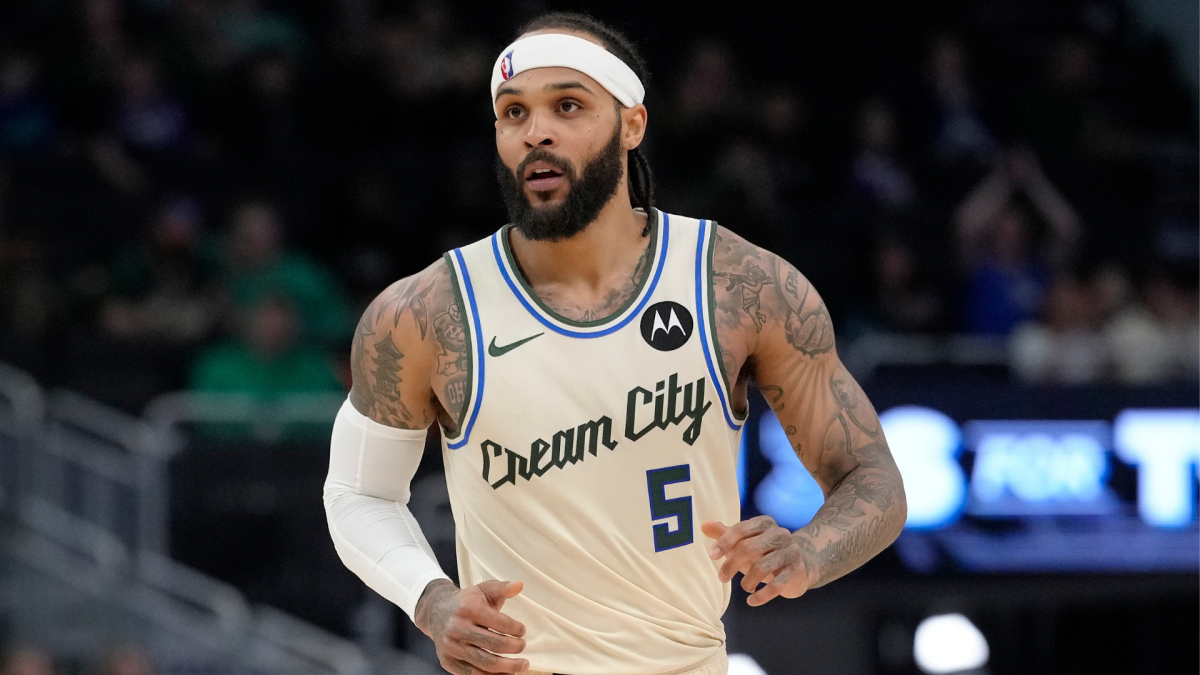
The Milwaukee Bucks’ decision to sign Gary Trent Jr. to a four-year, $64 million contract represents a significant departure from recent market trends. Having previously accepted consecutive minimum-salary arrangements, Trent secured a raise exceeding $12 million annually despite a season of marginalized tactical utility. This valuation surge occurs precisely as the broader market becomes increasingly punitive toward long-term guarantees for non-star assets.
Industry consensus suggests Trent’s performance trajectory did not warrant a competitive bidding war. The four-year, fully guaranteed structure is particularly restrictive, as it limits Milwaukee’s maneuverability under a cap system that treats the second apron as a rigid operational ceiling. The disparity between Trent’s recent on-court production and his financial standing has even prompted informal calls for league-level scrutiny regarding potential cap circumvention, illustrating the perceived irrationality of the deal.
Strategic Risk and the Second Apron Reality
The emergence of the second apron as a de facto hard cap has fundamentally altered the risk-reward calculus for tax-paying franchises. In this environment, the misallocation of a mid-tier salary slot creates cascading limitations on a team’s ability to execute trades or aggregate salaries. Milwaukee’s commitment to Trent Jr. is a high-stakes gamble that his struggles were a localized byproduct of coaching transitions rather than a permanent decline in efficiency.
This approach contrasts sharply with the asset-fluidity strategies seen in Boston, where the prioritization of flexibility over the retention of high-cost talent has become the standard. For the Bucks, the risk is both financial and competitive: if Trent fails to regain elite form, the $64 million commitment becomes an anchor, restricting the franchise’s capacity to optimize the supporting cast around its core stars during a closing championship window.
Capital Concentration in the Washington Wizards’ Pivot
The Washington Wizards have anchored their financial future to Trae Young with a four-year, $212.8 million contract, representing 30% of their salary cap. This commitment is particularly impactful given the Wizards’ current phase in the talent acquisition cycle, specifically the arrival of number one overall pick AJ Dybantsa. The integration of a high-usage veteran like Young alongside a foundational prospect creates a complex developmental friction.
Young’s 2025-26 statistical output—17.9 points per game on 46% shooting—raises questions regarding the efficiency of this $53.2 million annual investment. While his eight assists per game remain elite, the financial outlay assumes a return to All-NBA levels of production. The Wizards are essentially wagering that Young’s prime will synchronize with Dybantsa’s ascent, a gamble that leaves zero margin for roster adjustment should the pairing fail to yield immediate competitive results.
The Opportunity Cost of Sub-Elite Max Contracts
In the current economy, every dollar committed to a veteran star directly reduces the ability to leverage cap space in the secondary trade market. By inmobilizing such a significant portion of their cap, Washington has signaled a commitment to a specific core that must perform at a high level to justify the lack of flexibility. If the team does not see a significant jump in the standings, the contract could become a distressed asset, potentially stalling the rebuild it was intended to accelerate.
The market reaction to the Young deal mirrors the skepticism of the Trent Jr. signing, highlighting a growing concern regarding how teams value high-usage players in a restrictive environment. As the second apron dictates terms, the distinction between a ‘max player’ and a ‘max-value player’ has become the primary differentiator in executive success.
Systemic Irrationality and Executive Decision-Making
The 2026 offseason highlights a recurring pattern of systemic irrationality. Despite the clear penalties associated with the new CBA, several franchises have opted for high-risk maneuvers involving ‘wild sign-and-trades’ and apparent accounting errors in market assessment. This suggests that the pressure to remain competitive often overrides the long-term benefits of financial discipline.
The consequences of ‘bad contracts’ are now more severe; teams exceeding second apron thresholds lose access to trade exceptions and face frozen draft picks. Consequently, a single overpay can paralyze a roster for multiple seasons. Ultimately, the 2026 cycle proves that even in an era of unprecedented data, the human elements of pressure and perceived opportunity windows continue to drive high-stakes improvisation, setting the stage for a period of institutional stagnation for those who miscalculated the market.