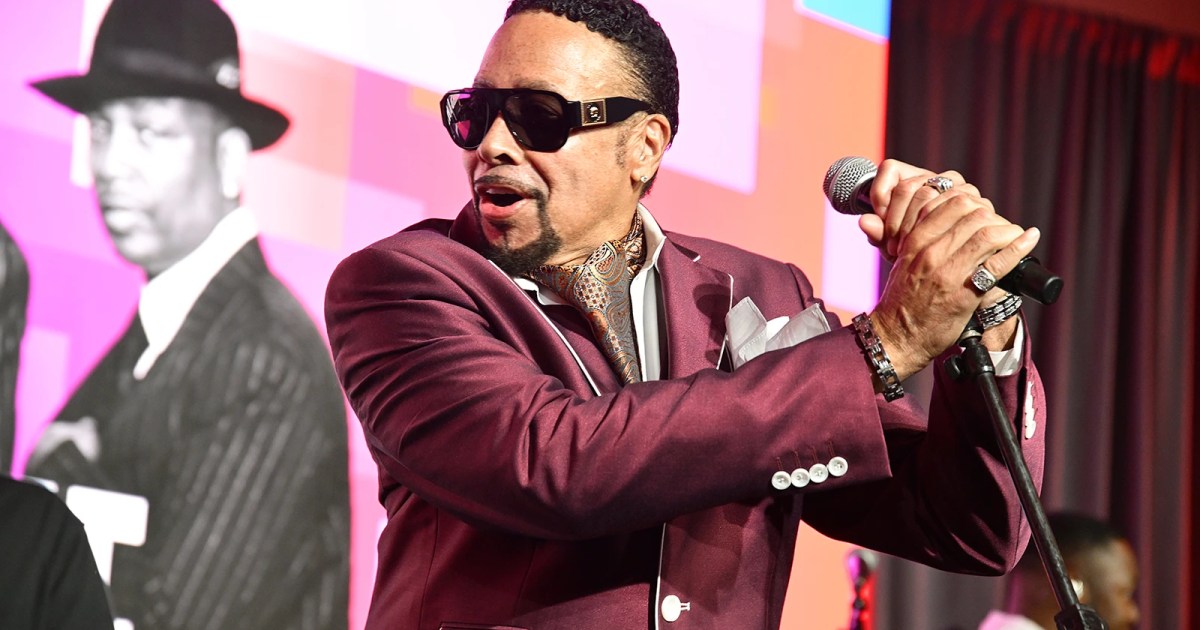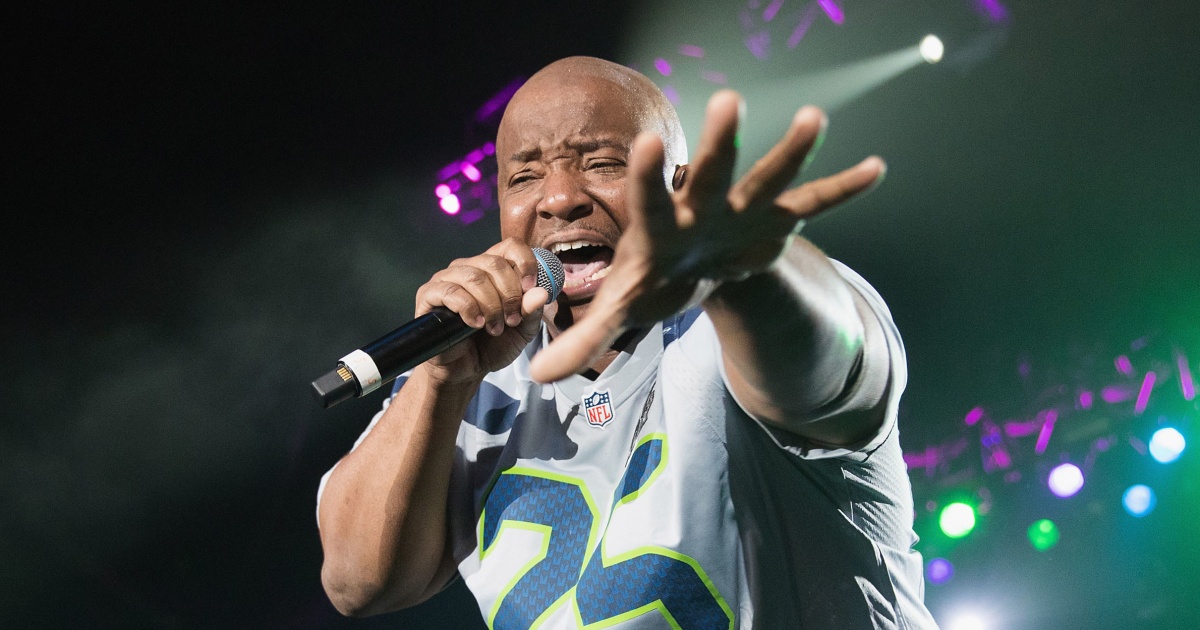
Two prominent musical acts, Morris Day and The Time, and Young MC, have publicly announced their withdrawal from the “Great American State Fair” on the National Mall. Initially listed as performers by Freedom 250, an organization with reported ties to former President Donald Trump, their disassociation highlights immediate operational and reputational challenges for the event’s organizers as they prepare for a major celebration of America’s 250th anniversary.
Operational Disruption and Reputational Fallout
These high-profile withdrawals expose a significant disconnect in the booking process for Freedom 250, suggesting a lack of clear communication regarding the event’s political framing. The artists’ explicit statements on social media emphasize their lack of prior knowledge of any political affiliation and a preference for non-partisan events. This directly contrasts with the public perception of Freedom 250 as a “Trump-backed” entity, placing the organization under scrutiny for its vetting and communication protocols.
The public nature of these denials creates immediate reputational exposure for Freedom 250. By being listed without explicit consent or with misrepresented affiliations, the artists are distancing themselves from an event perceived as partisan, thereby safeguarding their own brand integrity. This compels Freedom 250 to address the critical challenge of securing and retaining talent for a nationally significant celebration, potentially impacting future booking efforts and the event’s overall credibility.
Artist Motivations and Industry Trends
Young MC’s specific mention of informing his agents about declining due to media descriptions of the event as “Trump-backed” exemplifies a deliberate choice to avoid association with politically contentious platforms. This aligns with a broader industry trend where artists increasingly leverage their public profiles to align with or distance themselves from specific political ideologies, significantly influencing their booking decisions and fan perception.
The artists’ consistent emphasis on not being informed about political involvement points to a potential breakdown in the contractual or communication chain between Freedom 250 and its talent acquisition intermediaries. This highlights a systemic vulnerability in event organization, where event messaging and branding may not be effectively conveyed or understood by all parties involved in talent procurement, leading to public disputes and cancellations.
Strategic Repercussions for Freedom 250
Freedom 250’s strategy of announcing a “first wave” of performers for a 16-day event on the National Mall is significantly complicated by these high-profile withdrawals. The organization’s stated goal of “uniting Americans around the nation’s 250th anniversary” is undermined when key performers publicly disavow participation due to political concerns, suggesting a strategic miscalculation in managing or communicating the event’s political undertones.
The spokesperson’s assertion that Freedom 250 is a “nonpartisan nonprofit” directly clashes with the artists’ stated perceptions and media portrayals of the event as “Trump-backed.” This creates a strategic dilemma: Freedom 250 must either more effectively demonstrate its nonpartisanship through concrete actions or risk alienating a broader audience and talent pool, thereby limiting the event’s reach and impact.
Financial and Performance Leverage Challenges
The capital invested in securing these artists, whether through deposits or preliminary agreements, now faces potential write-offs or disputes, impacting Freedom 250’s financial projections. The public nature of these cancellations also affects the event’s perceived value and draw, potentially influencing future sponsorship and ticket sales, as well as Freedom 250’s leverage in future negotiations with artists and vendors.
The withdrawals also expose a potential lack of performance leverage for Freedom 250. If artists are willing to publicly disassociate themselves based on perceived political alignment, it suggests that the financial or contractual incentives offered were insufficient to overcome their concerns about brand association. This indicates a need for the organization to re-evaluate its value proposition to performers, particularly in a market where artists possess significant agency.
Broader Market and Media Context
The situation surrounding the “Great American State Fair” reflects broader dynamics within the entertainment and events industry, where political affiliations can significantly impact an artist’s career and public perception. Artists are increasingly mindful of their brand image and the potential backlash or support they might receive from associating with politically charged events, especially those tied to prominent political figures.
Media coverage of these artist withdrawals amplifies the reputational damage for Freedom 250. The narrative of artists disengaging from a Trump-linked event for a national celebration creates a compelling story highlighting the divisive nature of contemporary American politics and its spillover effects into cultural events. This media amplification can shape public opinion and influence the participation of other stakeholders, including sponsors and attendees.
Milli Vanilli’s Clarification Adds Complexity
The inclusion of Milli Vanilli, with singer Jodie Rocco stating that neither she nor her sister Linda Rocco, nor any other group members, were asked to perform, adds another layer of operational miscommunication. This suggests potential inaccuracies in the announced lineup, raising questions about the diligence and accuracy of Freedom 250’s announcement process and potentially impacting their credibility with media outlets and the public.
Rocco’s expressed surprise underscores a significant communication gap and potential unauthorized use of artist names for promotional purposes. This situation not only creates legal and contractual complications for Freedom 250 but also exposes them to criticism for potentially misrepresenting talent to inflate the event’s perceived appeal, further eroding trust.
Consequences for National Celebration Planning
The controversies surrounding the “Great American State Fair” could have downstream effects on how future large-scale national celebrations are planned and executed, particularly those with potential political affiliations. Organizers may face increased scrutiny regarding nonpartisanship and transparency, and artists may become more cautious in their contractual agreements and public statements.
The event’s challenges highlight the inherent difficulty in organizing apolitical national celebrations in a polarized political climate. Freedom 250’s struggle to maintain a nonpartisan facade while being publicly associated with a prominent political figure demonstrates the complex interplay between cultural events, political messaging, and public perception, potentially setting a precedent for future anniversary events.
Future Event Viability and Stakeholder Confidence
The ongoing disputes and artist withdrawals cast doubt on the long-term viability and success of the “Great American State Fair.” The erosion of trust among potential performers, coupled with negative media attention, could significantly impact attendance, sponsorship, and the overall celebratory atmosphere intended for America’s 250th anniversary.
For stakeholders, including potential government entities and corporate sponsors, the situation presents a risk assessment challenge. Association with a politically contentious event marked by public disagreements and artist boycotts may lead to a reassessment of involvement and greater emphasis on due diligence for future collaborations, particularly concerning events with overt political ties.
Structural Pressures on Public-Private Partnerships
The “Great American State Fair” operates within the structural pressures inherent in public-private partnerships for national commemorative events. While these models can leverage private funding and innovation, they also introduce complexities in governance, transparency, and alignment of objectives, especially when political figures are involved.
Freedom 250’s structure as a “public-private partnership backed by President Donald Trump” inherently invites political scrutiny. The organization’s claim of being a “nonpartisan nonprofit” is tested against the perception of its backing, creating a tension that can be exploited by opposition or lead to genuine confusion among the public and potential participants, as evidenced by the artists’ statements.
Distribution of Advantage and Disadvantage
Initially, the primary advantage lay with Freedom 250, which secured a prominent platform on the National Mall for a significant national milestone. However, this advantage has been significantly diminished by the public relations fallout from artist withdrawals, shifting the disadvantage to the organization.
The artists, by publicly disassociating themselves, gain an advantage in maintaining their artistic integrity and avoiding potential backlash from their fan bases. Conversely, they face the disadvantage of potential contractual disputes or strained relationships with booking agents who may have relied on the Freedom 250 engagement.
Plausible Evolution Scenarios
One plausible scenario involves Freedom 250 attempting to salvage the event by securing alternative performers, potentially with a more overt political alignment or a greater financial incentive. This could further solidify the event’s partisan perception, potentially alienating a broader audience but appealing to a specific political base.
Another scenario sees Freedom 250 facing significant pressure to either clarify its nonpartisan status with concrete actions or scale back the event due to a lack of confirmed talent and potential sponsor withdrawal. This could lead to a diminished celebration or even a cancellation, underscoring the challenges of organizing large-scale events with complex political associations.
Impact on Future Commemorative Events
The outcome of the “Great American State Fair” situation could serve as a cautionary tale for future organizers of national commemorative events. It highlights the critical need for clear communication, transparent governance, and a robust understanding of political sensitivities when planning events of national significance, especially in a polarized environment.
The emphasis on nonpartisanship and clear messaging will likely become more critical for entities seeking to host or sponsor large-scale public events. The continued scrutiny of political affiliations by artists and the public will shape the landscape of event planning and talent engagement for years to come.