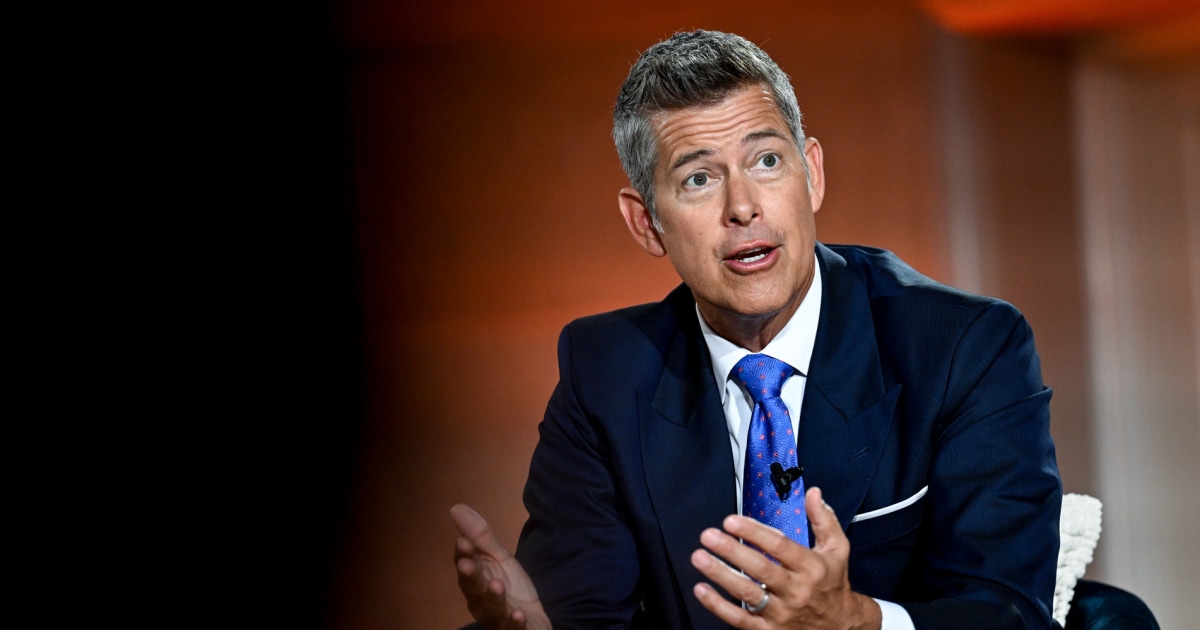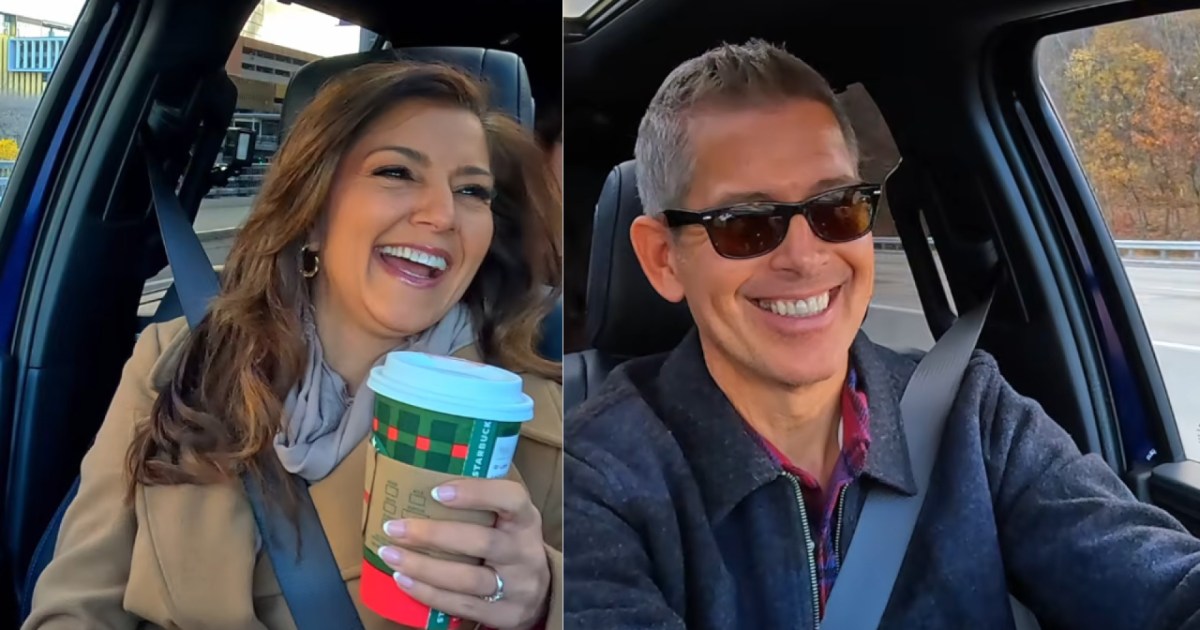
The debut of “The Great American Road Trip,” a five-part digital series featuring Transportation Secretary Sean Duffy, represents a paradigm shift in the mediatization of the executive branch. By leveraging his background in reality television (MTV’s “The Real World”), Duffy is attempting to bypass traditional journalistic intermediaries to craft an institutional narrative centered on cultural heritage rather than bureaucratic utility. This strategy utilizes direct-to-consumer digital media to humanize federal leadership ahead of the United States’ 250th anniversary.
However, the project’s production logistics introduce a conflict regarding the allocation of executive time. Reports citing a seven-month filming schedule, during which Duffy’s operational involvement was reportedly intermittent, raise questions about the delegation of authority within the Department of Transportation (DOT). The trade-off between individual brand-building and the rigorous oversight required for critical infrastructure suggests a redefinition of the Secretary’s role from technical administrator to symbolic figurehead.
Macroeconomic Friction and the $4.50 Threshold
The series launches against a backdrop of acute economic volatility. With average fuel prices exceeding $4.50 per gallon—a 50% increase—the optics of a government-sanctioned travel series face significant public scrutiny. This price surge creates a sharp dissonance: while the DOT’s primary mandate involves mitigating transit costs and optimizing logistics, its public-facing output celebrates high-consumption leisure travel.
Critics argue that this leisure-centric messaging is structurally misaligned with the current inflationary environment. For the logistics and energy sectors, the focus on a “civic experience” via road trips may be interpreted as a diversion from systemic issues such as supply chain bottlenecks and energy policy instability. The project risks establishing a perception of administrative detachment from the financial realities of the constituency.
The Weaponization of Direct-to-Audience Media
Distributing the series through YouTube and leveraging the media influence of Rachel Campos-Duffy (Fox News) allows the administration to consolidate its base within a controlled ecosystem. The inclusion of President Donald Trump in promotional materials further pivots the project from a neutral civic exercise to a tool of partisan alignment. This fusion of reality-TV aesthetics with executive communication blurs the distinction between official government transparency and strategic political marketing.
The series’ central thesis—that national identity is intrinsically linked to the physical experience of infrastructure—is a sophisticated attempt to build soft power. Yet, the efficacy of this soft power is tethered to the physical state of the nation’s roads and the affordability of the fuel required to traverse them. If the infrastructure fails or remains prohibitively expensive, the media project risks being viewed as an exercise in vanity rather than vision.
Institutional Consequences and Market Sentiment
The precedent set by this project has long-term implications for federal departmental leadership. A shift toward personality-driven governance may erode the institutional gravitas typically associated with the DOT, potentially affecting its leverage in legislative negotiations and budget allocations. Market participants, who rely on the DOT for regulatory stability, may view the prioritization of content creation as a signal of reduced urgency regarding technical and safety mandates.
Ultimately, “The Great American Road Trip” serves as a barometer for the professionalization of celebrity in the federal government. While it offers a modern framework for civic engagement, its success is contingent upon the administration’s ability to reconcile its media ambitions with the sober management of an increasingly expensive and complex transportation landscape.