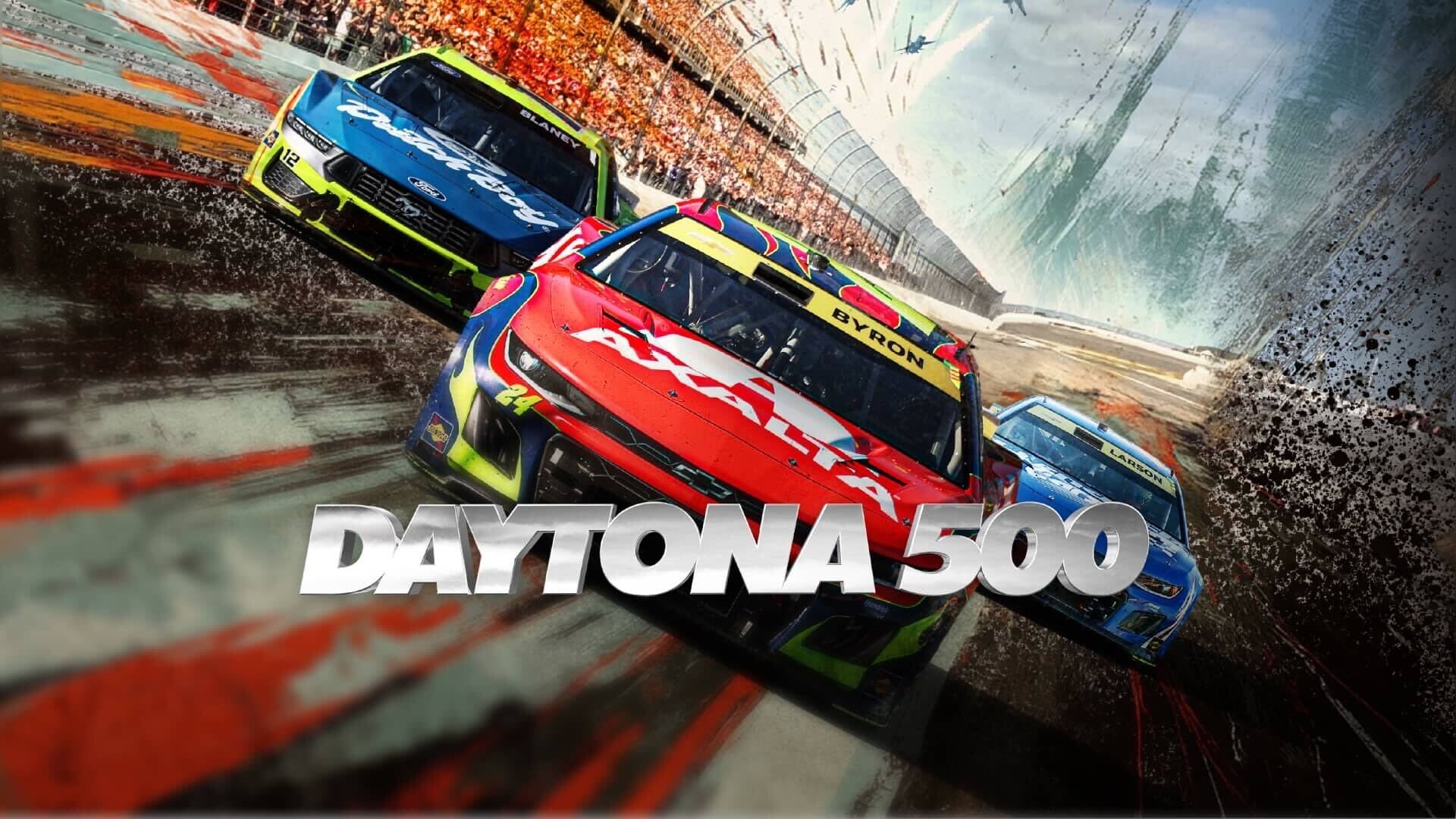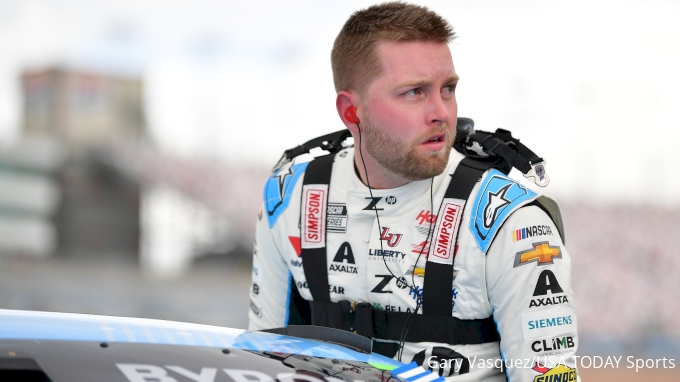
The Daytona 500: A Crucial Institutional Anchor for NASCAR
The announcement confirming the 2026 Daytona 500 schedule, slated for Sunday, February 15, 2026, at the Daytona International Superspeedway in Florida, underscores the event’s singular role as the institutional centerpiece of the NASCAR Cup Series. This annual race is not merely the first event of the racing calendar; it serves as the cultural, economic, and strategic launchpad for the entire professional stock car season. Its placement in February is a critical structural decision, designed to capture maximum media attention during a relatively sparse period in the national sports calendar, thereby establishing early market dominance for the sport’s broadcast partners and promotional efforts.
The Daytona 500 operates under a unique administrative framework concerning qualification and grid structure, differentiating it from almost all other events on the circuit. The operational necessity of tracking both “single-car qualifying” results and subsequent “Duels” events highlights a complex, multi-stage administrative process required to finalize the starting lineup. This system ensures that starting positions are allocated not just based on raw speed (single-car runs) but also through competitive, high-stakes heat races (Duels). This procedural complexity is integral to the event’s tradition and commercial appeal, guaranteeing multiple days of high-value content for media partners and ensuring competitive drama before the main race even begins.
The Strategic Role of Media and Broadcast Distribution
The scheduled broadcast of the event on FOX is central to the economic model supporting the NASCAR Cup Series. NASCAR relies heavily on long-term media rights agreements, which provide the foundational revenue stream for the teams, tracks, and the sanctioning body itself. The relationship with major broadcasters, in this case, the FOX network, is strategic, defining how the sport manages exposure, audience engagement, and sponsorship valuation across the season.
These broadcast partnerships extend far beyond simply airing the main race. They encompass pre-race coverage, post-race analysis, and, crucially, the integration of ancillary content designed to enhance viewer participation and media monetization. The confirmed tracking of the schedule, lineup updates, and prediction segments, such as those featuring analyst Bob Pockrass, represent specialized content creation aimed at maintaining viewer engagement throughout the entire qualification week and leading up to the race. This content strategy is a mandatory element of high-value professional sports rights management, ensuring the maximization of inventory for advertisers and bolstering the overall cultural footprint of the league.
Monetizing Engagement: Prediction Contests and Regulatory Context
The explicit mention of promotional elements like the “FOX Super 6 NASCAR Contest” and the prospect of “winning money” introduces a critical layer of modern sports media strategy: integrating engagement platforms directly into the broadcast experience. While the specific legal classification of such activities varies—ranging from free-to-play prediction games to regulated sports wagering affiliations—their institutional purpose is clear: to deepen viewer investment and drive sustained tune-in metrics.
From an administrative and regulatory perspective, the integration of contest platforms requires meticulous compliance. Media organizations must navigate complex legal frameworks concerning sweepstakes, skill-based games, and, increasingly, regulated sports betting laws, which differ significantly by jurisdiction. The use of a “free-to-play” model (as often implied by “Super 6” concepts) mitigates some of the stringent licensing requirements associated with traditional bookmaking, but still requires robust institutional oversight to ensure fairness, transparency, and adherence to promotional guidelines established by federal and state consumer protection agencies. This strategy reflects a broader industrial shift where media distribution and gaming engagement are becoming structurally interdependent, enhancing the commercial value of the underlying intellectual property (the NASCAR schedule and event).
Operational Administration and Schedule Management
The meticulous scheduling and subsequent tracking of the 2026 Daytona 500, including the crucial preparatory events like qualifying and the Duels, highlight the substantial administrative and logistical infrastructure required to execute a high-profile motorsport event. Schedule management in NASCAR is a year-round operational task involving coordination among the sanctioning body, the individual racetrack operators (Daytona International Superspeedway), and safety and regulatory bodies.
The commitment to a fixed date, February 15, 2026, many months in advance, allows the entire NASCAR ecosystem—including marketing departments, sponsor activations, and travel logistics for teams—to synchronize their efforts. The logistical challenge presented by the Daytona 500 is unique due to the requirement to accommodate nearly 40 race teams, thousands of support personnel, media professionals, and the expected massive influx of spectators to Central Florida. This institutional capability to manage large-scale events under strict deadlines is foundational to maintaining the sport’s operational credibility.
Furthermore, the process of generating the “Daytona 500 lineup tracker” exemplifies the necessary evolution of media tools in modern sports. These trackers are administrative systems designed for real-time data integration, serving to translate complex procedural results (like who qualifies via speed versus who qualifies via the Duels) into easily digestible information for the public. This data management function is crucial for editorial accuracy and maintaining transparency regarding the competitive structure of the event.
The Cultural and Economic Weight of the Season Opener
The strategic importance of the Daytona 500 cannot be overstated. As the first points race of the season, it carries disproportionate cultural weight, establishing early narratives for teams and drivers. Institutionally, a successful Daytona 500—measured by viewership, attendance, and competitive integrity—provides crucial momentum that influences the sport’s financial health and negotiating position for the rest of the calendar year. The event ensures a robust start to the media cycle, maximizing visibility for all corporate partners.
The venue itself, the Daytona International Superspeedway, represents a key piece of industry infrastructure that contributes significantly to the economic ecosystem of the sport. Its status as an iconic, high-capacity facility reinforces the high-stakes nature of the event. The economic impact on the region of Florida hosting the race is substantial, involving tourism revenue, localized employment, and infrastructure utilization. This macro-economic contribution elevates the event from a mere sporting competition to a significant state and regional commercial fixture. The persistent coverage of schedule details, even years out, confirms its durable position within the annual athletic and broadcast calendar and its non-negotiable status as NASCAR’s most valuable intellectual property.