Global Financial Alliances Bolster Korean Business Expansion in the United States
In a significant move to foster international trade and investment, Citi Korea has partnered with the Korea Trade Insurance Corporation (K-SURE) to provide crucial financing for iMarketKorea’s ambitious industrial complex development project in the United States. This collaboration is designed to specifically aid Korean companies in establishing and expanding their operational footprint within the American market. Concurrently, K-SURE has further solidified its commitment to supporting Korean enterprises abroad by signing a Memorandum of Understanding (MoU) with U.S.-based Hanmi Bank, signaling a concerted effort by state-backed entities and international banking institutions to facilitate cross-border economic activity.
These strategic alliances underscore a growing trend of robust financial support mechanisms being put in place to de-risk and promote international expansion for businesses, particularly from dynamic economies like South Korea. The initiatives aim to provide a stable financial environment for Korean firms looking to leverage opportunities in the expansive U.S. market, from manufacturing to logistics and distribution.
Citi Korea’s Role in iMarketKorea’s US Industrial Project
Citi Korea, a critical component of the global Citibank network, is playing a pivotal role in backing iMarketKorea’s industrial complex development. This project represents a substantial investment in the United States, envisioned as a hub where Korean companies can establish and operate with integrated infrastructure and logistical advantages. The financing provided by Citi Korea, notably backed by K-SURE, addresses one of the primary challenges faced by companies venturing into new international markets: securing adequate and reliable capital.
An industrial complex development project typically involves the construction of factories, warehouses, research and development centers, and supporting infrastructure such as roads, utilities, and potentially housing for workers. For iMarketKorea, establishing such a complex in the U.S. serves as a strategic move to localize production, shorten supply chains, mitigate trade risks, and enhance access to the American consumer market. This initiative is a clear indicator of Korean businesses’ increasing desire to establish a direct presence in key global markets rather than solely relying on export models.
The involvement of K-SURE in backing this financing is paramount. The Korea Trade Insurance Corporation acts as South Korea’s official export credit agency (ECA), providing insurance and guarantee services to support Korean companies’ overseas trade and investment activities. By offering K-SURE-backed financing, Citi Korea reduces the financial risk for itself and for iMarketKorea, making large-scale international projects more viable and attractive. This collaboration exemplifies how state-backed financial instruments can synergize with private banking capabilities to unlock significant economic opportunities.
K-SURE and Hanmi Bank Forge Strategic Partnership
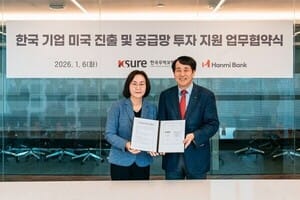
Further solidifying the financial infrastructure for Korean firms in the U.S., the Korea Trade Insurance Corporation (K-SURE) earlier this month formalized a Memorandum of Understanding (MoU) with Hanmi Bank. Hanmi Bank, a U.S.-based financial institution, is known for its strong ties to and expertise within the Korean-American business community across the United States. This partnership is specifically geared towards providing comprehensive support for Korean firms expanding into the U.S. market, complementing the financing initiatives seen with Citi Korea and iMarketKorea.
A Memorandum of Understanding is a formal agreement between two or more parties that outlines their shared intentions to work together on a specific project or to achieve a common goal. While generally not legally binding in the same way a contract is, an MoU signifies a serious commitment to collaboration and typically precedes more definitive agreements or operational partnerships. In this instance, the MoU between K-SURE and Hanmi Bank is expected to streamline access to financial services, local market expertise, and risk mitigation tools for Korean businesses navigating the complexities of the American economic landscape.
Hanmi Bank’s localized knowledge and established network within the U.S., particularly with Korean-American entrepreneurs and businesses, make it an ideal partner for K-SURE. This synergy allows for a more tailored and effective support system, combining K-SURE’s robust trade insurance and guarantee products with Hanmi Bank’s on-the-ground banking services, including lending, treasury management, and advisory services. This partnership aims to bridge cultural and logistical gaps, making the transition and growth phase smoother for Korean companies establishing or expanding operations in the U.S.
The Broader Context: Korean Companies’ Global Expansion
These financial partnerships reflect a broader strategic imperative for South Korean companies to diversify their global footprint and strengthen their presence in key markets like the United States. The motivations behind such expansion are multifaceted, including accessing larger consumer markets, securing stable supply chains, leveraging advanced technologies, and mitigating geopolitical risks by distributing manufacturing and operational bases. Companies across various sectors, from electronics and automotive to chemicals and heavy industry, are actively pursuing internationalization strategies.
The U.S. market, with its significant consumer base, robust legal framework, and strong innovation ecosystem, remains a prime destination for foreign direct investment (FDI). For Korean companies, establishing a physical presence often involves navigating complex regulatory environments, securing appropriate financing, and understanding local business practices. The support from entities like K-SURE, Citi Korea, and Hanmi Bank is thus invaluable, providing the financial backbone and local insights necessary to succeed in a competitive landscape.
Trade insurance and guarantees, such as those provided by K-SURE, are critical instruments in facilitating this internationalization. They protect businesses against various risks inherent in cross-border transactions, including political risks (e.g., expropriation, war, currency inconvertibility), commercial risks (e.g., buyer default, non-payment), and financial risks. By mitigating these uncertainties, K-SURE empowers Korean companies to undertake more ambitious projects and expand into markets that might otherwise be deemed too risky.
"The collaboration between global financial powerhouses and state-backed agencies is creating a robust ecosystem that significantly de-risks and propels international business expansion, especially for dynamic economies like South Korea seeking to strengthen their foothold in major markets like the U.S."
Citibank’s Diverse Activities: Local Openings and Global Finance
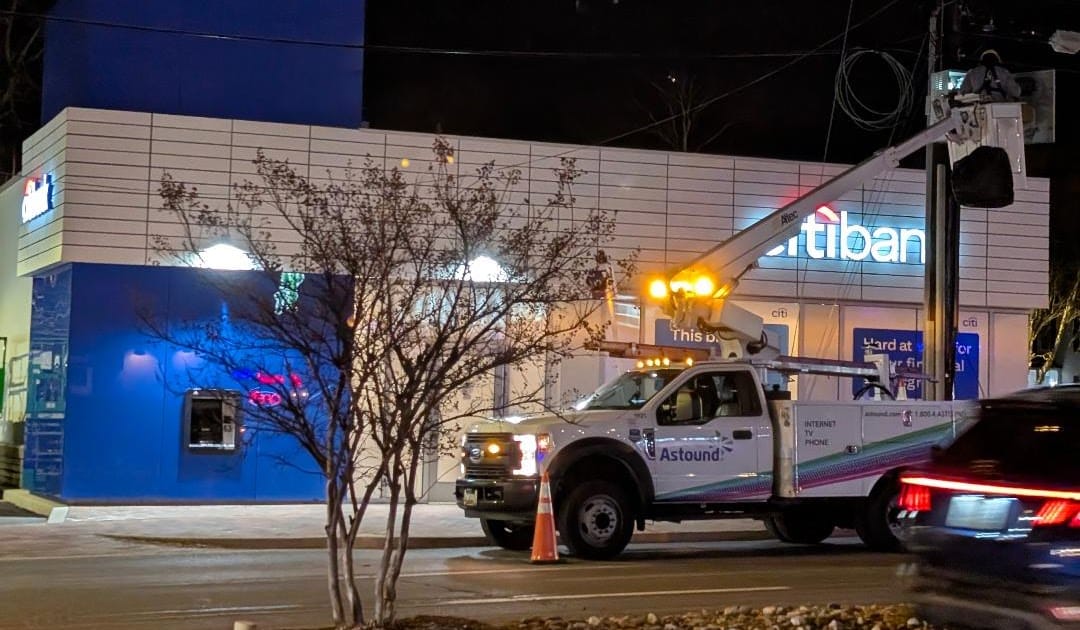
While these international financial partnerships dominate the discourse surrounding Citibank’s broader activities, the bank also maintains a vigorous presence in local markets. An example of this is the impending opening of a new Citibank branch in Bethesda, Maryland, anticipated this spring. This local development, though distinct from the complex international financing and trade insurance agreements, underscores Citibank’s ongoing strategy to maintain and adapt its retail branch network in key communities.
News of local developments, such as new bank branch openings, often circulates within community-focused outlets, providing residents with updates on local services and amenities. A local correspondent, like Robert Dyer, might cover such events alongside other community news items including local restaurants, nightlife, real estate, and crime reports, providing a comprehensive local perspective for lifelong residents. These local openings are part of a bank’s broader strategy to serve its clientele, manage its physical presence, and adapt to evolving customer banking habits, balancing digital transformation with accessible brick-and-mortar services.
The opening in Bethesda signifies Citibank’s continued investment in specific geographic markets to serve its diverse customer base, from individual consumers to small businesses. While the scale and scope differ vastly from multi-million-dollar industrial complex financing, both activities reflect a bank’s multifaceted role in the global and local economies. Citibank, as a global financial institution, operates across a wide spectrum of services, from individual checking accounts to complex corporate finance deals and international trade facilitation, demonstrating its comprehensive reach and strategic adaptability.
Outlook: Strengthening Economic Ties
The recent agreements involving Citi Korea, K-SURE, iMarketKorea, and Hanmi Bank collectively paint a picture of a concerted international effort to strengthen economic ties and support the global ambitions of Korean enterprises. These collaborations provide critical financial instruments and local expertise, creating a more favorable environment for Korean companies to invest, operate, and thrive in the United States.
As global supply chains continue to evolve and companies seek greater resilience and market proximity, such partnerships are likely to become even more crucial. They exemplify how governments, through their export credit agencies, can work effectively with both international and local private financial institutions to facilitate foreign direct investment, boost trade, and ultimately contribute to global economic growth and stability. The ongoing expansion, both internationally in strategic markets and locally in communities like Bethesda, illustrates the dynamic and evolving nature of global banking in the 21st century.