The Formal Dissolution of AM Racing Operations
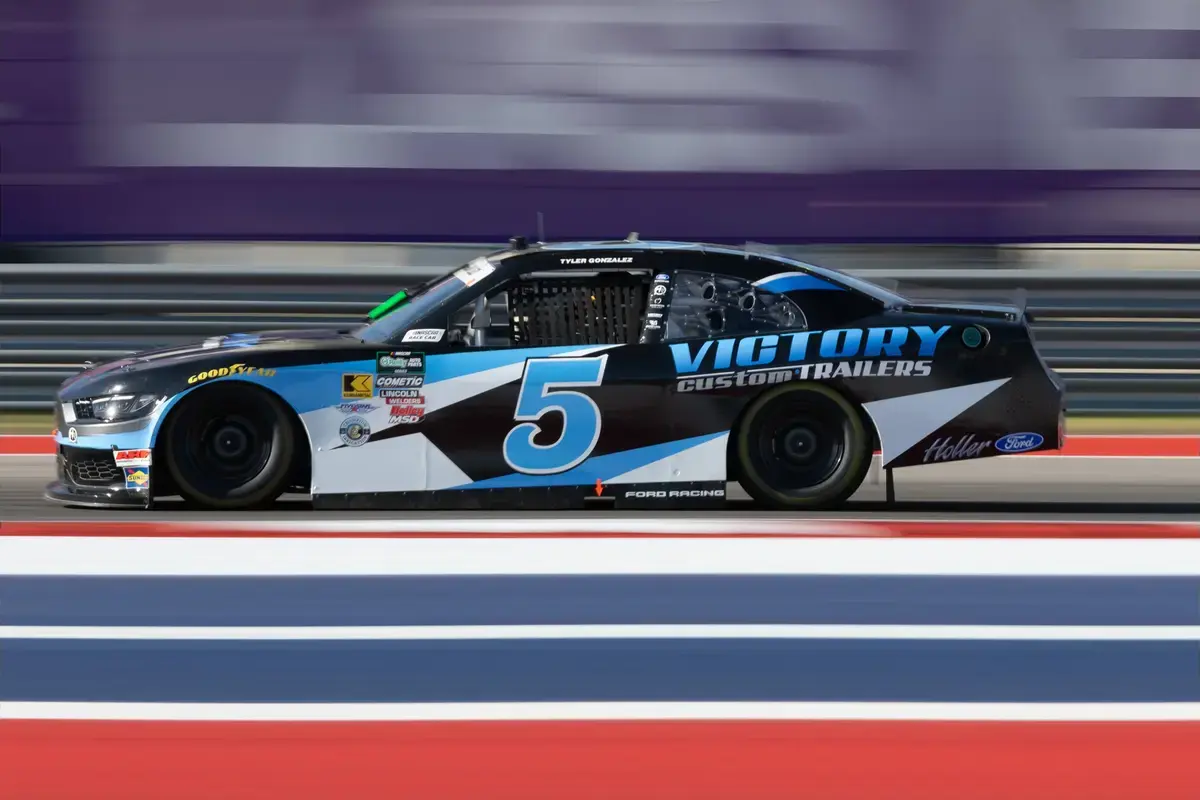
The cessation of operations at AM Racing (AMR) marks a definitive contraction in the competitive landscape of the NASCAR O’Reilly Auto Parts Series (NOAPS). Vice President of Competition Matthew Lucas confirmed the closure to the workforce following a period of operational paralysis that began after the team’s withdrawal from the Rockingham event in late March. This dissolution terminates a decade-long presence in the sport, founded by Tim Self in 2015.
The decision to release personnel follows an unsuccessful attempt to stabilize the organization’s financial foundations. The inability to sustain normal business activity suggests a systemic breakdown in capital flow or sponsorship retention, highlighting the volatility of Tier 2 programs in the current economic climate of professional stock car racing. While AMR successfully transitioned from the Truck Series to the more capital-intensive NOAPS, the organization ultimately proved unable to weather shifting financial requirements.
Strategic Implications of the Ford Manufacturer Vacuum
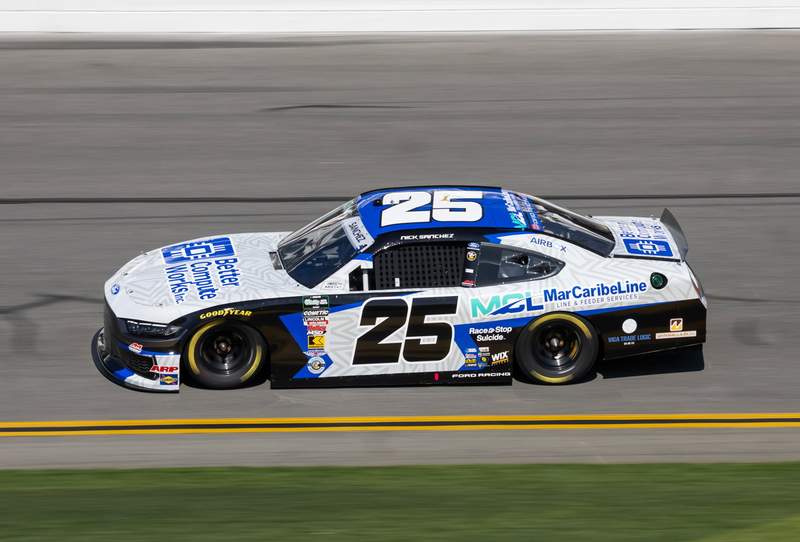
The collapse of AM Racing has triggered a systemic crisis for Ford Performance. Following the withdrawal of Nick Sanchez’s No. 25 entry and the absence of Hettinger Racing from recent entry lists, Ford currently possesses zero active representation in the division. This absence at Texas Motor Speedway and Dover Motor Speedway exposes a critical vulnerability in Ford’s developmental ladder.
While Ford remains competitive in the Cup Series, the lack of a Tier 2 presence eliminates a vital data-sharing and driver-development pipeline. This creates a stark divergence in manufacturer investment; while Chevrolet and Toyota utilize multi-car programs to refine aerodynamics and engine performance, Ford’s retreat signals a potential consolidation of resources or a failure to secure viable partner teams capable of maintaining full-season schedules.
The Performance Paradox: 2025 Success vs. Financial Failure
The timing of the closure is particularly jarring given the team’s recent competitive milestones. In 2025, Harrison Burton secured the organization’s first NOAPS playoff appearance, finishing 12th in driver points with ten top-ten finishes. Theoretically, this peak in performance should have provided the leverage necessary for long-term sponsorship and technical support.
The fact that the organization collapsed shortly after its most successful season suggests that on-track results are increasingly decoupled from financial sustainability in NASCAR’s secondary tiers. The costs of maintaining a top-12 program appear to have exceeded the commercial returns, creating a high-risk environment for independent owners like Tim Self who lack significant manufacturer-backed infrastructure.
Impact on Driver Development and Technical Intelligence
The withdrawal of the No. 25 car leaves Nick Sanchez in professional limbo, disrupting a key trajectory for Ford’s most promising talent. Without a consistent Tier 2 presence, Ford risks losing prospects to rival manufacturers offering more stable advancement platforms. Industry insiders describe Sanchez’s status as a “confusing state,” illustrating a lack of contingency planning within the Ford ecosystem.
Beyond talent, the loss is technical. Data gathered in the O’Reilly Series informs setup decisions for the Cup Series. Reports suggest that Brad Keselowski may be the only figure capable of salvaging Ford’s O’Reilly program through his ownership interests, though rebuilding from the ground up after the total exit of AMR and Hettinger Racing would require a significant multi-season commitment.
Institutional Consequences for Independent Ownership
AM Racing’s exit serves as a cautionary case study for NASCAR’s economic model. When a playoff-contending team cannot sustain operations, it suggests a structural misalignment between operational costs and revenue-generating capacity. The reliance on specialized labor and technical alliances makes mid-sized teams fragile; the displacement of AMR’s workforce creates a sudden influx of labor into the market but results in a loss of institutional knowledge for the Ford camp.
Ultimately, the closure of AM Racing underscores the increasing difficulty for independent owners to compete without deep factory integration. As Ford Performance evaluates whether to recruit new partners or cede the division to competitors, the NASCAR ecosystem must address the rising costs that have rendered even successful independent programs like AMR unsustainable.