
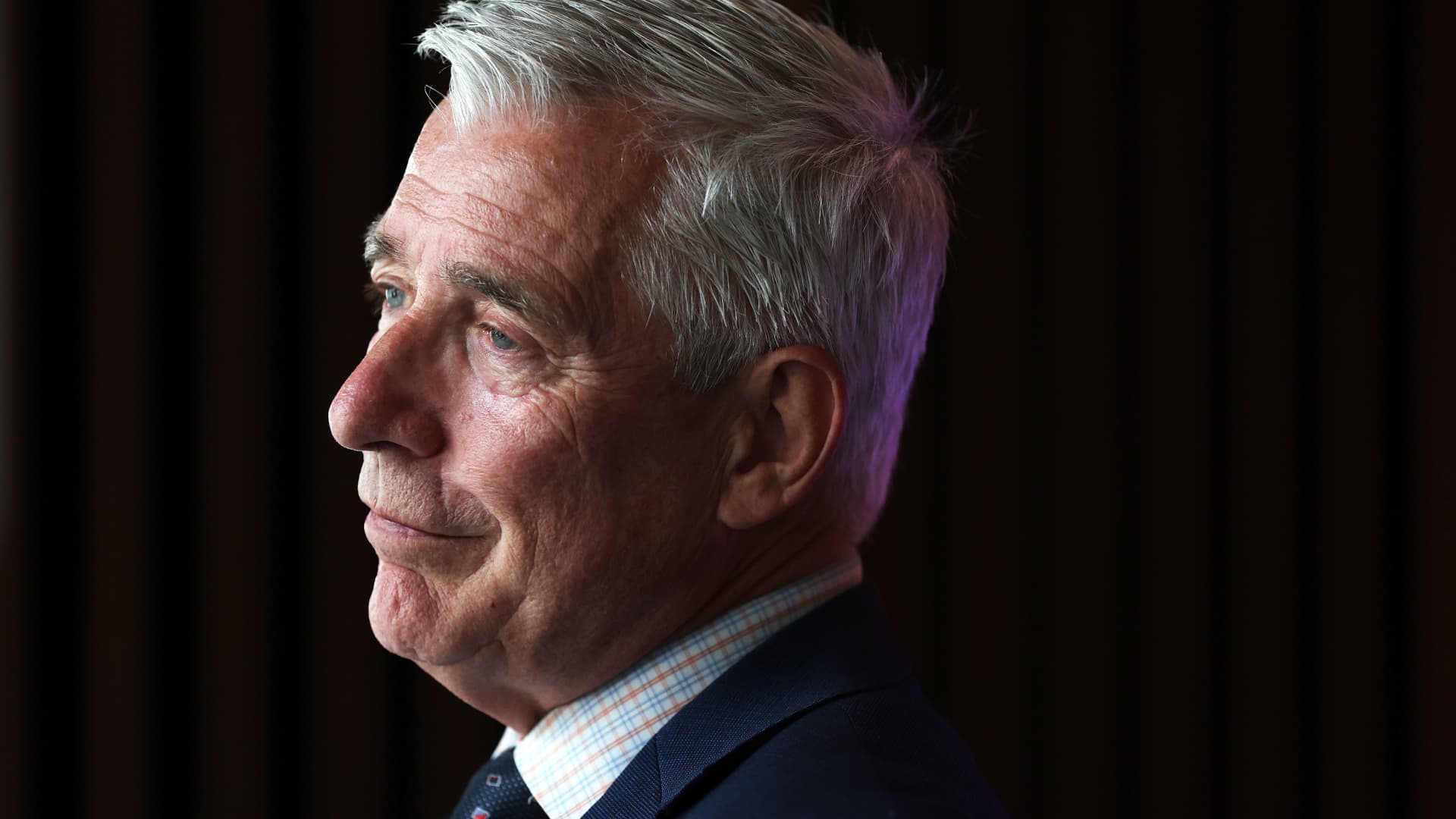
The U.S. grocery sector saw a significant leadership development on Monday as the grocery giant Kroger announced the appointment of Greg Foran as its new Chief Executive Officer.
This high-level executive transition culminates a deliberate, year-long selection process initiated following the removal of the previous incumbent, Rodney McMullen, in March of the preceding year.
Institutional Implications of Executive Succession
The selection of a chief executive from a direct and primary competitor carries substantial weight within the structured environment of major retail corporations. This movement signals a strategic alignment or redirection based on the specific operational philosophies and market penetration strategies honed at the prior organizational post.
For large-scale organizations like Kroger, CEO succession is not merely an administrative personnel change; it is a critical governance moment reviewed rigorously by the Board of Directors. The process involves assessing candidates against the company’s long-term strategic roadmap, evaluating their capacity to manage complex supply chains, navigate evolving consumer behaviors, and optimize enormous physical and digital footprints.
The Role of External Recruitment in Corporate Governance
Recruiting an established executive from a competitor, particularly one of Walmart’s scale, suggests a mandate for significant operational calibration or a desire to incorporate proven methodologies from a highly efficient rival system. This practice highlights the board’s view that internal pipelines may not possess the precise, required skillset for the current competitive phase facing the grocery enterprise.
Such appointments invite rigorous scrutiny regarding the transferability of management theories across distinct corporate cultures and operational scales. The institutional responsibility lies in ensuring that the incoming leadership can effectively translate prior successes into the specific regulatory, labor, and market environment unique to Kroger’s operational structure and geographic concentrations.
Market Context and Stakeholder Sensitivity
Kroger operates within a highly regulated, volume-sensitive industry where slim margins are typical, placing immense pressure on operational efficiency and capital management. Stakeholders, including institutional investors, organized labor representatives, and the vast network of suppliers, view such leadership shifts as indicators of prospective policy changes regarding cost control, capital expenditure, and labor relations.
The fact that the search extended for a full year underscores the gravity of the decision, reflecting a careful, methodical approach to vetting candidates against the established fiduciary duties owed to shareholders. The Board’s thoroughness in this process is itself a statement about the perceived importance of stability while simultaneously demanding transformative leadership.
Navigating Competitive Dynamics
The introduction of an executive steeped in the operational environment of a major market rival implies a strategic focus on core competencies related to logistics, procurement efficiency, and potentially, the structure of in-store consumer engagement. This choice positions Kroger to address competitive pressures through a lens informed by the practices of its most formidable market adversary.
The governance structure mandates that the incoming CEO immediately address the existing operational framework, including existing technology investments, debt structure, and ongoing merger or acquisition strategies, if any were established under prior management directives. The transition period requires careful management to avoid any perceived vacuum in strategic direction that could affect vendor contracts or ongoing capital commitments.
Administrative Continuity and Cultural Integration
A crucial administrative challenge inherent in appointing an external CEO is the integration of new strategic direction with the existing institutional culture and employee base. While the executive brings external expertise, success is often predicated on the ability to foster internal cohesion and respect for established organizational history.
The former executive’s tenure at Walmart provides a benchmark against which his performance at Kroger will inevitably be measured by market analysts and investors. This external comparison establishes an immediate, high baseline expectation for performance improvements, particularly in areas where Kroger’s market share or efficiency metrics may lag behind industry benchmarks.
The administrative steps following such an announcement involve aligning executive compensation structures, integrating the new CEO into board committee frameworks, and managing internal communications to articulate a unified vision for divisional leaders and the broader workforce. The effectiveness of this leadership change will ultimately be determined by the tangible integration of past experience into future organizational policy without disrupting essential daily commerce.