Public Health Imperative: The Regulatory Framework of Boil Water Notices
A boil water notice, such as the one issued by Pennsylvania American Water for over 90,000 customers across Allegheny and Washington counties, represents a critical intervention in public health protection. These notices are not arbitrary but are mandated under stringent public health regulations designed to safeguard communities against waterborne contaminants.
Water utilities, as providers of an essential service, are bound by comprehensive federal and state statutes, including the foundational principles embodied in the Safe Drinking Water Act in the United States, which establish rigorous standards for drinking water quality. When the integrity of the water distribution system is compromised—whether due to confirmed contamination, significant pressure loss, or other events that create a plausible pathway for contaminants—utilities are legally and ethically required to act decisively.
The issuance of such a notice serves as a precautionary measure, advising consumers to boil tap water vigorously for a specified duration to neutralize any potentially harmful bacteria or viruses that might have entered the water supply. This protocol ensures that affected consumers can continue to use water safely for essential purposes like drinking and cooking, pending the resolution of the underlying issue and subsequent water quality testing that definitively confirms the system’s renewed integrity and safety.
The burden of proof for water safety rests squarely with the utility. Their operational mandate includes not only continuous monitoring but also rapid assessment of incidents, transparent communication with affected populations, and efficient restoration of service. The extensive scale of the recent notice, encompassing a significant customer base across two distinct counties, underscores both the operational challenge and the broad societal impact such infrastructure incidents can have on daily life and public confidence in essential services.
The Structural Vulnerabilities of Water Infrastructure
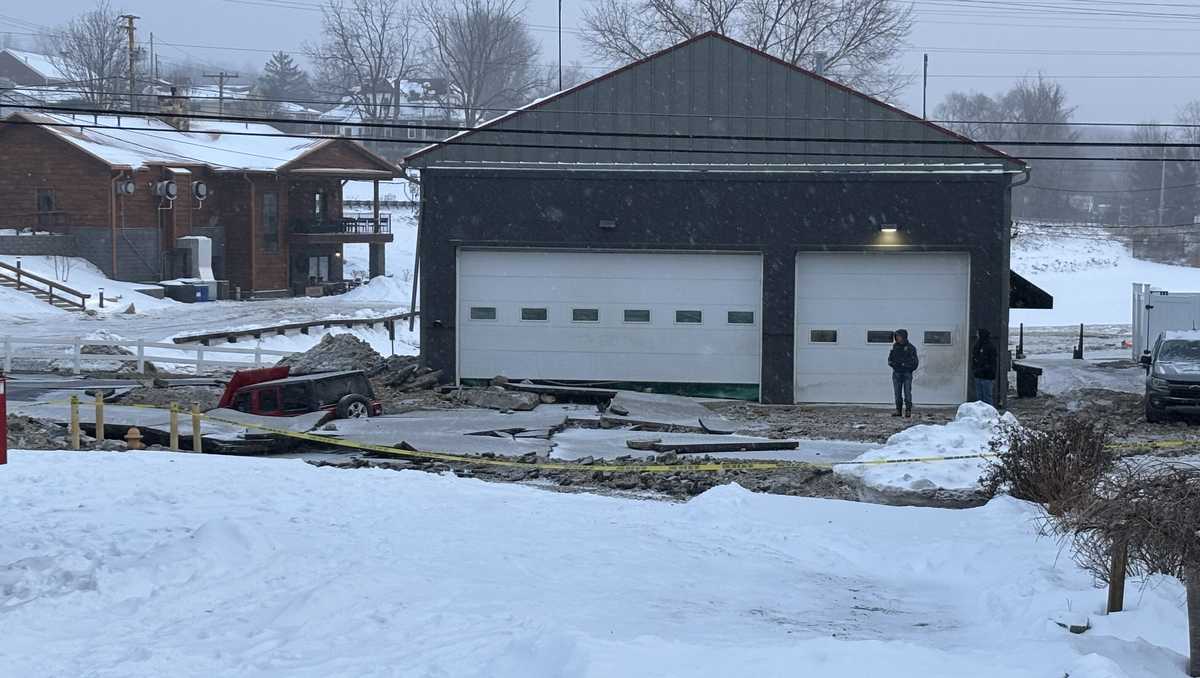
Water main breaks, exemplified by the “massive water main break” that caused damage to the Elrama Fire Department and the separate eight-inch break on Battleground Avenue in Greensboro, are pervasive operational challenges for water utilities. These events, while sometimes unavoidable, often stem from a complex interplay of factors that highlight the structural vulnerabilities inherent in extensive, buried infrastructure networks.
Key contributing factors include the aging of buried infrastructure, where pipes laid many decades ago may have exceeded their original design life, becoming increasingly susceptible to corrosion, material fatigue, and structural failure. External environmental stressors also play a significant role; ground movement caused by freeze-thaw cycles, soil expansion and contraction, seismic activity, or even the persistent vibrations from heavy traffic loads can exert immense and cumulative stress on pipeline systems.
The immediate consequences of such breaks are manifold. The physical damage sustained by the Elrama Fire Department illustrates the potential for direct collateral impact on critical community facilities, which can impede their operational readiness precisely when emergency services might be most needed. Beyond property damage, significant water main breaks lead to substantial water loss, raising concerns about resource management and efficiency, and invariably disrupt potable water service to thousands of customers, profoundly affecting daily routines and local economic activity.
Addressing these incidents also creates significant logistical and public safety challenges. The reported closure of Elrama Avenue and multiple lanes on Battleground Avenue underscores the profound disruptions to transportation networks and local access. Repair efforts necessitate the excavation of roadways to access subsurface infrastructure, requiring close coordination among utility crews, local law enforcement, and public works departments to manage traffic diversions, ensure public safety, and minimize the overall civic disruption efficiently and safely.
Operational Resilience and Regulatory Stewardship in Utility Management
Water utilities such as Pennsylvania American Water are complex operational entities responsible for managing and maintaining vast networks that include thousands of miles of pipes, numerous pumping stations, advanced treatment plants, and extensive reservoirs. Effective asset management is a cornerstone of their operational strategy, encompassing the systematic planning, acquisition, operation, maintenance, and eventual renewal or disposal of these critical assets.
The recurring incidence of water main breaks underscores the continuous cycle of maintenance and repair inherent in managing such extensive infrastructure. Proactive asset management programs are designed to identify and replace vulnerable sections of the distribution network before catastrophic failure occurs. However, the sheer scale, hidden nature, and financial intensity of underground piping systems present an enduring challenge to even the most sophisticated preventative strategies.
Robust emergency response protocols are therefore essential for utilities to mitigate the impact of unforeseen events. These protocols typically detail a systematic sequence of steps for isolating breaks, mobilizing specialized repair teams, coordinating seamlessly with local emergency services, and communicating critical information effectively and transparently with the public. The prompt response observed in addressing both the Elrama and Greensboro breaks reflects the activation of these established procedures. The specific need for Elrama Avenue closure and the damage to the fire department specifically highlight the critical interface between routine utility operations and broader community safety and emergency services infrastructure.
State-level Public Utility Commissions (PUCs) or analogous regulatory bodies play a vital and comprehensive role in overseeing water utilities. Their mandate typically includes ensuring the reliability, safety, and quality of service, reviewing and approving capital investment plans, and setting rates that allow utilities to recover costs while funding necessary infrastructure upgrades. Events like widespread service disruptions can trigger intensified regulatory review of a utility’s capital expenditure strategy, its maintenance programs, and its overall emergency preparedness framework. The ongoing balance between ensuring affordable rates for consumers and securing the continuous, significant investment required for resilient and safe infrastructure represents a constant and complex regulatory challenge, often directly influenced by the frequency and severity of such operational incidents.
The Broader Context of National Infrastructure Priorities
The documented incidents, while localized in their immediate impact, contribute to a broader national and even international narrative regarding the state of critical infrastructure. While the specific causes of individual failures can vary, the common thread of water main breaks and subsequent service disruptions frequently points to systemic challenges related to historical underinvestment in infrastructure maintenance, renewal, and technological modernization.
Many urban and suburban water systems in developed nations, including segments within the United States, were originally constructed over a century ago and are now operating at or beyond their intended design lifespans. This legacy infrastructure, while foundational, demands significant and ongoing capital investment to ensure its continued functionality and to meet contemporary standards for public health and environmental protection.
Addressing these deeply entrenched vulnerabilities requires comprehensive, long-term strategic planning that extends far beyond immediate, reactive repairs. This involves undertaking exhaustive infrastructure assessments, prioritizing replacement and rehabilitation projects based on detailed risk and criticality analyses, and implementing innovative technologies for precise leak detection, predictive maintenance, and advanced materials science. The overarching objective is to facilitate a fundamental shift from a purely reactive maintenance paradigm to a more proactive, risk-based, and technologically informed approach to enhance overall system resilience and sustainability.
Ultimately, the effective management and sustained improvement of water infrastructure rely on robust, multi-stakeholder collaboration. This includes close partnerships among the utility operators, various levels of state and local government, regulatory bodies, and an informed public. Public policies, creative funding mechanisms, and sustained public awareness campaigns all contribute to cultivating an environment that supports the substantial investments necessary and promotes a holistic approach to sustainable water resource management. The occurrence of these incidents underscores the continuous and vital societal discussion surrounding the inherent value and indispensable cost of maintaining reliable, safe, and resilient essential services for all citizens.