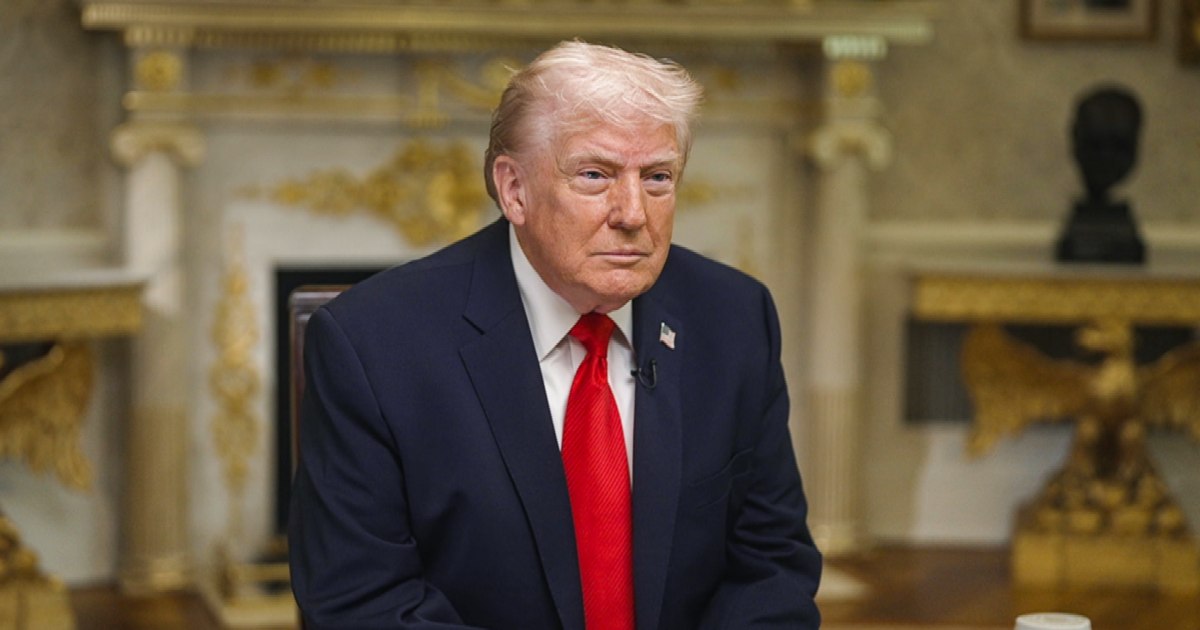
President Donald Trump indicated that his selection for the leadership of the Federal Reserve would not have been extended the offer had that individual expressed an inclination towards raising interest rates.
Federal Reserve Independence and Policy Direction
The President’s statement directly addresses the potential influence of his administration’s economic policy preferences on the Federal Reserve’s operational stance. The Federal Reserve, by design, functions as an independent body within the government, tasked with managing monetary policy to promote maximum employment and stable prices.
The structure of the Federal Reserve System is intended to shield monetary policy decisions from short-term political pressures. This independence is considered crucial for maintaining long-term economic stability and credibility. Federal Open Market Committee (FOMC) meetings, where interest rate decisions are deliberated, are informed by extensive economic data analysis and forecasts.
Monetary Policy Tools and Their Impact
Interest rates are a primary tool of monetary policy, influencing borrowing costs for consumers and businesses, inflation, and overall economic activity. Decisions to raise or lower interest rates are based on assessments of inflation, employment, and economic growth trends. A stated preference for raising rates typically signals a concern about inflationary pressures or an overheating economy, suggesting a more restrictive monetary stance.
Conversely, a focus on maintaining or lowering rates may indicate a desire to stimulate economic growth, address unemployment, or respond to deflationary concerns, suggesting a more accommodative monetary policy. The President’s criteria suggest a prioritization of a particular economic approach, potentially signaling a preference for an accommodative or stable interest rate environment over one that might tighten credit conditions.
The Federal Reserve’s mandate is to foster a healthy economy, and its governors are appointed to long terms to insulate them from the immediate political cycle. Nevertheless, the President’s comments highlight the inherent tension between political leadership and the operational independence of monetary policy institutions. The selection of Federal Reserve leadership is a significant institutional act, influencing the direction and perceived stability of national economic policy.
The process by which individuals are nominated and confirmed for positions on the Federal Reserve Board of Governors involves careful consideration of their economic philosophies and their alignment with the institution’s congressionally mandated goals. The President’s stated criteria for his nominee underscore the administration’s perspective on the appropriate path for monetary policy and economic management.
Understanding the Federal Reserve’s role requires recognizing its dual mandate and the complex factors influencing its decisions. The interplay between the executive branch’s policy preferences and the Federal Reserve’s independent decision-making framework is a recurring theme in economic governance. The President’s remarks provide insight into his administration’s approach to this critical economic institution.
The Federal Reserve operates through a system of regional banks and a Board of Governors, with the Chair setting the tone for policy discussions and communication. The credibility of the institution relies on its perceived ability to make decisions based on economic data rather than political expediency. The President’s stated preference regarding interest rates, therefore, carries institutional weight in the context of how monetary policy is perceived and potentially influenced.
The Federal Reserve’s institutional framework is designed to promote stability and predictability in the financial markets. Its policy decisions are communicated transparently through statements and reports, aiming to guide market expectations. The President’s comments, as reported, offer a specific point of insight into his administration’s strategic considerations concerning the Federal Reserve’s future policy orientation.
The broader economic environment is constantly evaluated by the Federal Reserve to make informed decisions. Factors such as global economic conditions, commodity prices, and labor market dynamics are all part of the complex calculus. The President’s focus on interest rate policy suggests a particular emphasis on these levers of economic control within the Federal Reserve’s broader toolkit.
The governance structure of the Federal Reserve includes a Chair, Vice Chair, and multiple Governors, all appointed by the President and confirmed by the Senate. The nomination and confirmation process is a critical gatekeeper, intended to ensure that individuals appointed possess the necessary expertise and temperament for the role. The President’s expressed criteria offer a lens through which to view his administration’s strategic objectives for the institution.
The long-term implications of monetary policy are a significant consideration for any Federal Reserve nominee. The institution’s decisions impact everything from mortgage rates to business investment, shaping economic trajectories over extended periods. The President’s stated requirement regarding interest rate policy highlights the administration’s focus on these enduring economic effects.