Winter Storm Benjamin Prompts State of Emergency in Connecticut
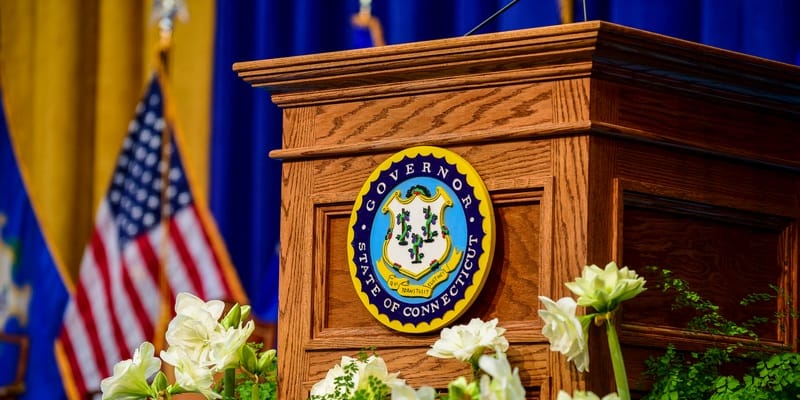
Connecticut Governor Ned Lamont has declared a state of emergency as the state braces for the impact of “Winter Storm Benjamin.” The major winter storm is anticipated to bring significant snowfall to the region over the weekend, prompting preemptive measures to ensure public safety and manage potential disruptions.
The declaration of a state of emergency grants the governor broad powers to mobilize state resources and personnel. This includes the ability to coordinate with local governments, deploy the National Guard if necessary, and implement traffic restrictions to ensure the safety of emergency responders and the general public.
Anticipated Snowfall and Travel Disruptions
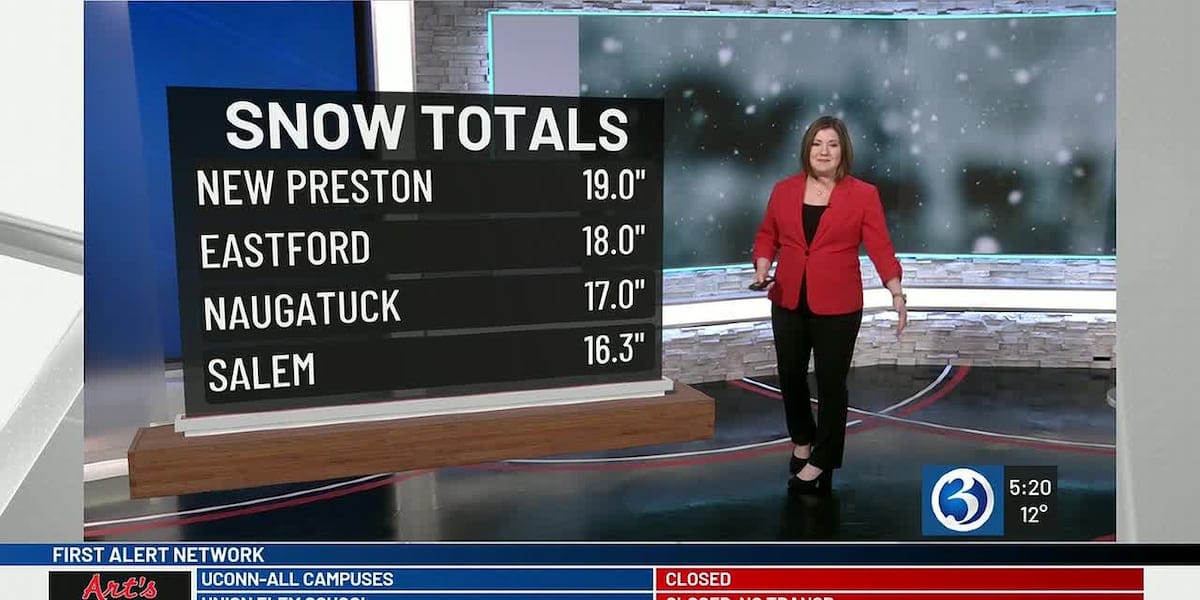
Forecasters predicted substantial snowfall, with many areas expected to receive between 12 to 18 inches. The intensity of “Winter Storm Benjamin” led to concerns about hazardous driving conditions, including heavy snow, reduced visibility, and potential whiteout conditions.
In anticipation of these conditions, authorities announced limits on commercial vehicle travel. This measure is crucial for preventing major accidents and ensuring that snowplows and emergency vehicles can operate effectively on the roadways. Such restrictions are common during severe winter weather events to maintain essential services and facilitate safe travel for residents.
Why This Matters: Resilience and Preparedness
The declaration of a state of emergency and the implementation of travel restrictions highlight the proactive approach taken by Connecticut officials in the face of severe weather. This is not merely a reaction to an approaching storm but a reflection of the growing understanding of climate-related risks and the importance of robust emergency preparedness.
Major winter storms can have far-reaching consequences, impacting everything from transportation and power grids to local economies and daily life. The ability of a state to respond effectively to such events is a key indicator of its resilience. Proactive measures, like those taken by Governor Lamont, aim to mitigate the severity of these impacts, protect critical infrastructure, and safeguard the well-being of residents.
The increasing frequency and intensity of extreme weather events, often linked to broader climate trends, underscore the necessity of such preparedness. States are increasingly investing in early warning systems, emergency response infrastructure, and public awareness campaigns to better manage the challenges posed by severe weather.
Looking Ahead: Recovery and Future Preparedness
As “Winter Storm Benjamin” continues to develop and its full impact unfolds, authorities will focus on snow removal, power outage restoration, and ensuring the safety of communities. The effectiveness of the emergency response and the resilience shown by residents will be key factors in the recovery process.
The data from this storm, including snowfall totals and the efficacy of the implemented measures, will likely inform future preparedness strategies. Lessons learned from “Winter Storm Benjamin” can help refine emergency plans, improve resource allocation, and enhance public communication for future severe weather events in Connecticut and beyond.
This event serves as a reminder of the ongoing challenges posed by severe weather and the critical importance of preparedness, robust infrastructure, and coordinated emergency management in ensuring the safety and stability of communities.