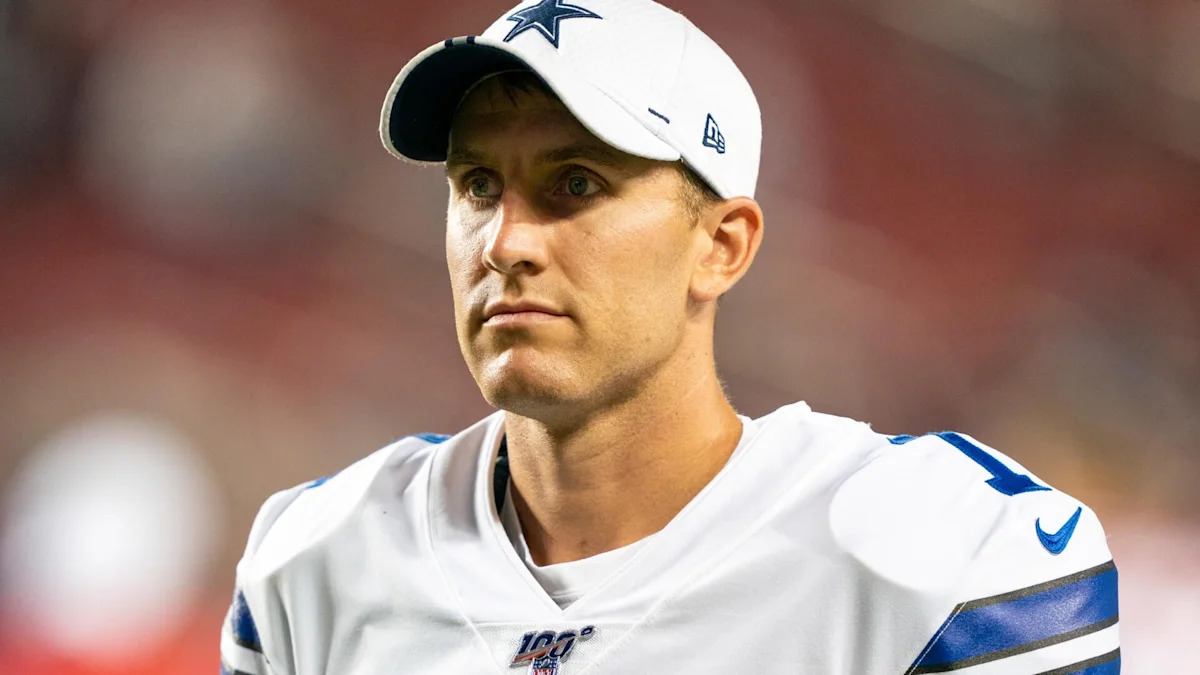
The death of former NFL punter Kasey Redfern at age 35 underscores the acute health crises that can confront elite athletes beyond conventional orthopedic wear. Redfern died following complications from a brain tumor and primary central nervous system (CNS) lymphoma, an aggressive oncological diagnosis established in the spring of 2023 that culminated in prolonged systemic chemotherapy, neurological decline, and hospice care.
Roster Dynamics and the NFL Specialist Market
Redfern’s career between 2014 and 2019 offers a clear case study in the hyper-fluid labor market governing NFL specialists. Punting units typically carry zero redundancy on active 53-man rosters, exposing specialists to extreme transactional volatility where injury, field position metrics, and practice squad management dictate continuous churn.
Following an FCS collegiate career at Wofford College, Redfern entered the professional ranks as an undrafted free agent, subsequently navigating tenures across seven franchises:
- Jacksonville Jaguars
- San Diego Chargers
- Carolina Panthers
- Cleveland Browns
- Detroit Lions
- Dallas Cowboys
- Atlanta Falcons
Redfern secured regular-season roster designations with the Detroit Lions—where he served as both punter and holder before a severe knee injury curtailed his 2017 debut—and later with the Atlanta Falcons in 2019. His trajectory reflected the resilience required to sustain professional readiness across multi-year developmental, offseason, and emergency reserve cycles.
Community Response and Post-Career Health Paradigms
Public confirmations from his wife, Lauryl Redfern, and tributes from long-standing peers, including coach Rob Greene, emphasized Redfern’s character through grueling treatment protocols. The mobilization across collegiate and professional cohorts underscored the informal fraternities that form beneath high-turnover sports rosters.
Redfern’s passing directs analytical focus toward post-career athlete welfare. While collective bargaining agreements and institutional health frameworks heavily address acute musculoskeletal trauma and head impacts incurred during active competition, complex oncological crises in early retirement present distinct systemic, financial, and logistical strains on transitional support networks.