Influencer’s Panama Earthquake Photos Ignite Debate on Aid Optics and Social Media Ethics
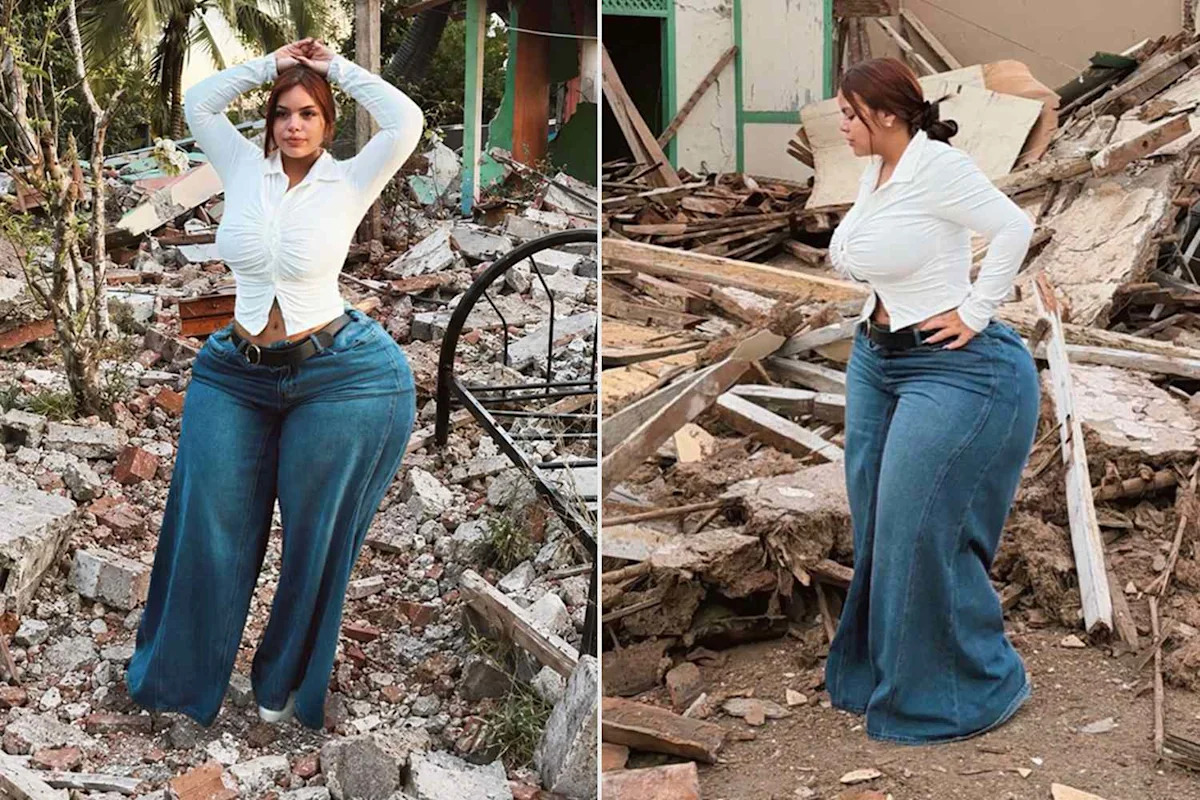
Content creator Gracie Bon has faced significant online backlash for a series of Instagram posts featuring her posing in front of earthquake-damaged structures in Panama. These images, shared following 7.7 and 6.6 magnitude earthquakes that caused widespread destruction and evacuations, have ignited a critical debate regarding the ethical presentation of influencer content in disaster zones.
Bon, with 11.9 million Instagram followers, defended her actions, stating her intention was to highlight the “reality” of the destruction and draw attention to affected families. She asserted that she does not profit directly from such posts and aimed to identify families needing rebuilding assistance.
The initial carousel of photos, published shortly after the seismic events struck Panama’s southern region, depicted structural collapses and infrastructure damage. While Bon’s accompanying message expressed solidarity and emphasized the value of life, many observers perceived her posing amidst the ruins as insensitive and exploitative of the humanitarian crisis.
Responding to the widespread criticism, Bon released a follow-up video, elaborating on her presence. She stated her visit was primarily for distributing essential supplies and offering support to families coping with the disaster’s consequences.
Further context reveals Bon as a 29-year-old plus-size model recognized for her distinctive physique. Her engagement with the earthquake aftermath, framed by her public persona, has intensified scrutiny on the intersection of personal branding and humanitarian response.
The earthquakes, with the primary tremor registering at a magnitude of 7.7, were followed by over 300 aftershocks, including a 6.1 magnitude event. While no fatalities were reported, the scale of infrastructure damage prompted a national state of emergency, underscoring the significant impact on national resources and stability.
Bon’s framing of the situation as “The reality of my country” and her subsequent message about replaceable material goods versus priceless life, intended as somber reflection, created a visual juxtaposition against the devastation. This disconnect led many to question the strategic alignment of her personal brand with the gravity of the event.
The incident highlights a broader tension within the influencer economy: balancing the use of personal platforms for social good against the perception of performative or self-serving engagement. Critical responses indicate public expectation for influencers to adopt a more subdued, purely altruistic approach in disaster-stricken communities.
Bon’s claim of no direct profit, while potentially accurate, does not fully mitigate reputational impact. Sustained visibility from such content can indirectly enhance an influencer’s profile, potentially leading to future monetization opportunities—a common point of contention in discussions on influencer ethics in sensitive contexts.
The strategic decision to incorporate personal imagery into disaster-related content, even with stated humanitarian intentions, exposes influencers to high scrutiny. The optics can overshadow the intended message of support, shifting the narrative to focus on the influencer rather than the affected population.
This situation serves as a case study in the complex interplay between personal branding, social responsibility, and the digital dissemination of information during crises. It underscores the critical importance of sensitivity and audience perception in the digital age.
Bon’s defense, emphasizing her role in distributing supplies, suggests an operational strategy of integrating aid delivery with content creation. While this approach aims to maximize reach and awareness, it necessitates careful presentation to avoid misinterpretation and maintain focus on humanitarian need.
The criticism also reflects a growing audience awareness of influencers potentially exploiting tragic events for personal gain, direct or indirect. This sensitivity places a greater onus on creators to demonstrate genuine altruism and prioritize the dignity and needs of affected communities.
The scale of the earthquakes and the subsequent state of emergency in Panama indicate a significant national impact, affecting numerous families. Bon’s engagement thus occurred within a context of genuine hardship, amplifying the importance of sensitive and appropriate representation.
The duality of Bon’s actions—posing for photos while also claiming to distribute aid—creates a complex narrative central to the criticism, blurring lines between personal promotion and genuine humanitarian effort, leaving room for public interpretation and judgment.
The incident raises questions about established protocols and best practices for influencers engaging in disaster relief. Without clear guidelines, well-intentioned but poorly executed content strategies can inadvertently cause offense or detract from critical aid operations.
Bon’s substantial follower count suggests her content can reach a vast audience, making her platform a significant channel for awareness. The challenge lies in harnessing this reach effectively and ethically, ensuring support messages are received without controversy.
Criticism directed at Bon is not necessarily a condemnation of all influencer involvement in disaster relief but a commentary on the specific execution, highlighting the critical importance of context, sensitivity, and perceived authenticity of motives.
Financial implications for influencers are often indirect, revolving around brand perception and audience engagement. While Bon claims no direct profit, the controversy itself generates significant attention, which can indirectly boost visibility and marketability.
The strategic decision to post personal appearance images alongside disaster imagery may be a miscalculation in understanding audience reception and prevailing social norms around humanitarian crises, exposing a vulnerability in strategies that neglect ethical dimensions.
Long-term consequences for Bon’s personal brand may include recalibrating her content strategy and adopting a more cautious approach to sensitive topics. For the broader influencer industry, this serves as a reminder for greater accountability and ethical consideration in content creation during events of significant human impact.
The debate also touches upon social media’s role in disaster response. While platforms can disseminate information and mobilize aid, they also present opportunities for misrepresentation and insensitivity.
Bon’s defense that her intention was to help families rebuild underscores a potential disconnect between personal objectives and public interpretation—a recurring theme in influencer controversies where intent may not align with perceived impact.
The magnitude of the earthquake and its aftermath in Panama provide a stark backdrop. The severity of the situation demands decorum and sensitivity that critics argue was not adequately demonstrated in Bon’s initial posts.
The incident prompts a broader discussion on the responsibilities of individuals with large public platforms during national crises, underscoring the need for influencers to be acutely aware of content impact and prioritize empathy and respect.
Bon’s explanation of distributing supplies suggests a more hands-on approach than her photos initially conveyed. This detail highlights the challenge of communicating complex realities through curated content where visual presentation often dominates narrative.
Public reaction reflects a societal expectation for influential individuals to act as responsible stewards of their platforms, especially during tragedies. The criticism suggests Bon’s actions were perceived as a failure to meet this expectation.
Strategic implications for Bon’s career are significant, as such controversies can affect brand partnerships and audience trust. Navigating this backlash requires a nuanced approach acknowledging public sentiment while reinforcing her stated humanitarian intentions.
The incident also highlights economic models underpinning influencer culture. The drive for engagement can sometimes lead to ethically questionable content decisions due to potential misinterpretation or exploitation.
Ultimately, the controversy surrounding Gracie Bon’s posts serves as a potent reminder of the delicate balance required when leveraging personal influence in humanitarian crises, underscoring critical ethical considerations, audience perception, and responsible platform use during widespread suffering.