The 35th anniversary of Halloween Horror Nights (HHN) at Universal Orlando Resort transcends a mere seasonal milestone; it signifies a strategic consolidation of three decades of unparalleled brand equity within the global themed entertainment sector. Anchoring the 2026 season with proprietary icons like Jack the Clown and Dr. Oddfellow directly addresses escalating external licensing costs, strategically prioritizing Universal’s internal intellectual property (IP) as a sustainable core asset.
Strategic IP Integration & Diversified Demographic Targeting
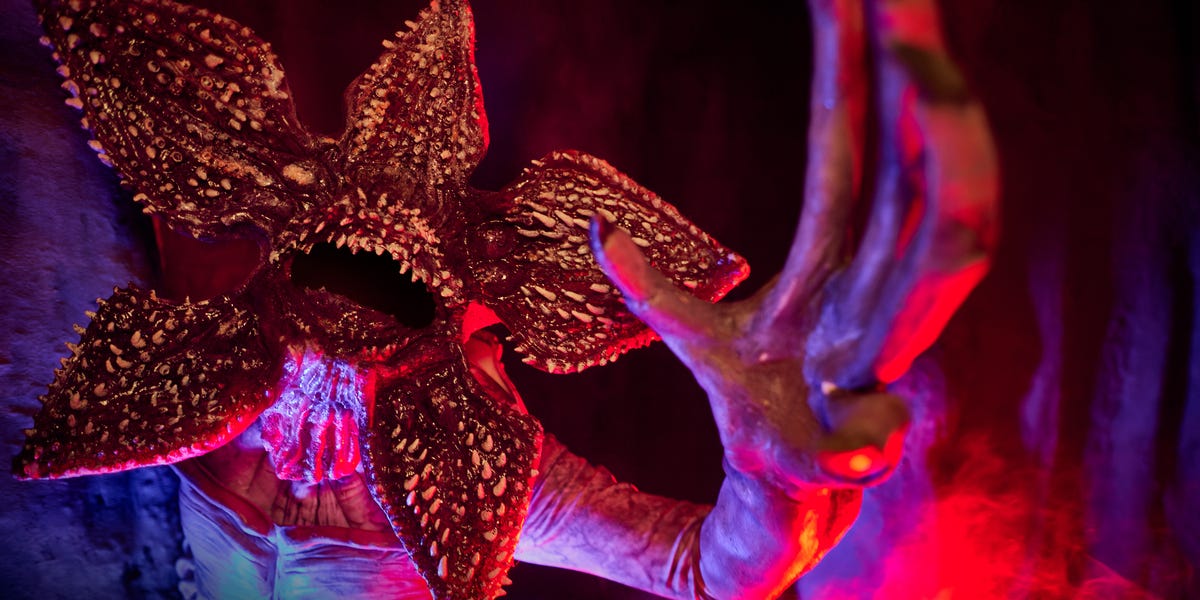
The inclusion of Stranger Things 5 as a cornerstone attraction exemplifies a sophisticated lifecycle marketing paradigm, maximizing its “final goodbye” narrative to drive urgency and repeat attendance among a crucial Gen Z and Millennial demographic. This contemporary powerhouse is strategically balanced by legacy horror properties such as Hellraiser and Evil Dead Burn, ensuring sustained appeal to traditional horror enthusiasts. Such a diversified IP portfolio effectively hedges against shifting cultural trends while maintaining broad market reach.
Further broadening its demographic footprint, the Ozzy Osbourne-themed house introduces a potent cross-media synergy, blending music industry influence with immersive environmental storytelling. This tactical move expands HHN’s appeal into rock and metal subcultures, intentionally diversifying the visitor profile beyond conventional horror fan bases. Similarly, the integration of Fortnitemares signals a strategic pivot into the gaming vertical, directly capturing a younger, highly engaged audience segment often underserved by traditional film and television IP. This positions HHN as a multi-platform entertainment hub, not merely a seasonal theme park event.
Operational Precision & Narrative Cohesion
The introduction of ten new haunted houses, split evenly between established IPs and original concepts, demonstrates a balanced risk management strategy. While licensed properties offer immediate marketing leverage and brand recognition, the five original houses are critical for expanding Universal’s proprietary lore, functioning as a long-term, self-sustaining asset for the brand’s creative future.
The “Jack and Oddfellow: Chaos & Control” house serves as a narrative nexus, masterfully synthesizing decades of internal mythology into a cohesive, immersive guest experience. This profound focus on storytelling continuity cultivates a deep sense of brand loyalty, encouraging guests to engage with HHN as a multi-year saga rather than a series of disconnected annual attractions.
This operational complexity, involving ten distinct environments, necessitates sophisticated technical precision in crowd flow management and atmospheric control. The omnipresent “fog” is not merely an aesthetic signature but a crucial operational tool for managing sightlines, mitigating bottlenecks, and amplifying the perceived scale and dread within scare zones, directly impacting guest experience and safety.
Optimizing Themed Food & Beverage Economics
Universal Studios Hollywood’s 2026 menu reveals a robust Food & Beverage (F&B) strategy, underscoring its pivotal role in theme park profitability. The premium pricing structure, exemplified by the $16.99 Road Scrapin’s and $15.99 Remmick’s Burnt Ends, directly targets enhanced per-capita spending, maximizing ancillary revenue streams.
The seamless integration of F&B with specific house themes—such as the Sinners-branded menu at the City Snack Shop—creates profound immersion that actively encourages consumption. By transforming standard concessions into thematic extensions of the haunted houses, the resort maximizes the revenue potential of every guest interaction, elevating the perceived value of these offerings.
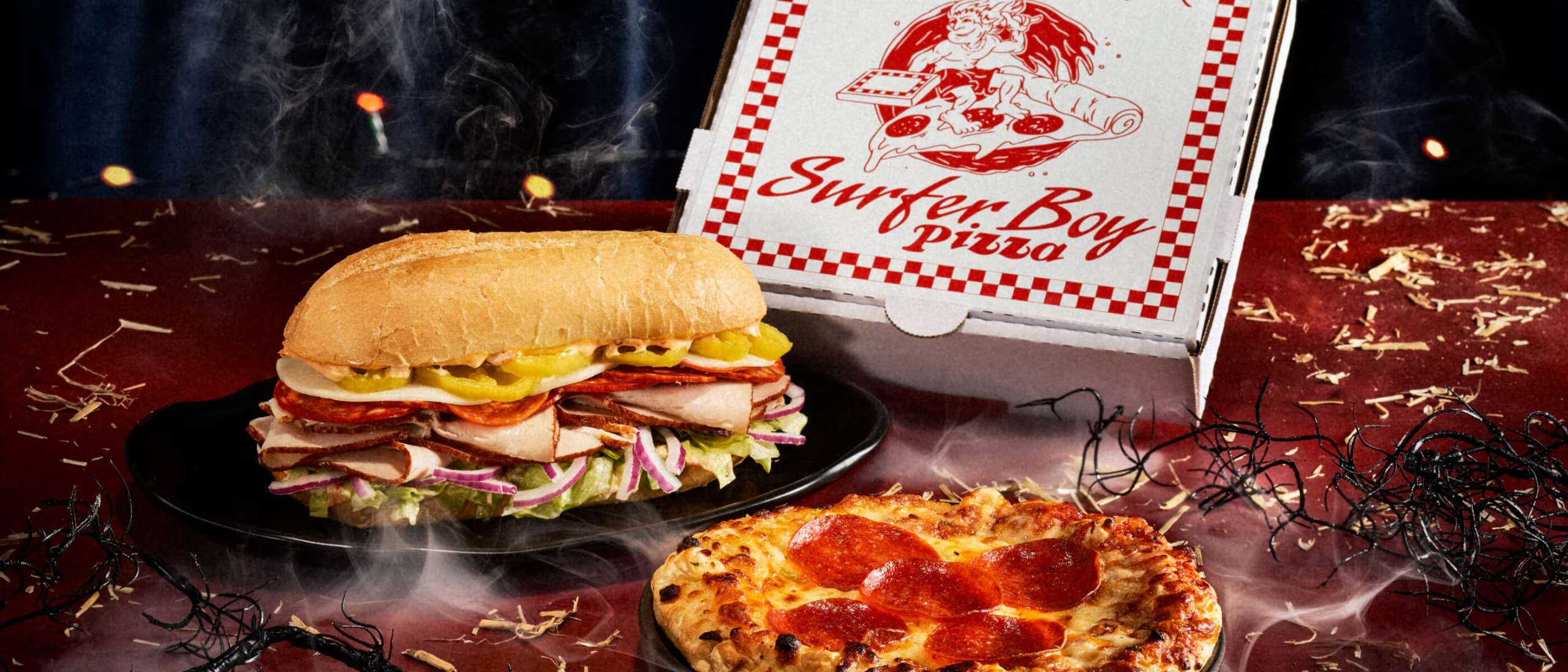
Furthermore, the Springfield-based Treehouse of Horror menu demonstrates the continued strategic leverage of The Simpsons IP, even within a horror context. Items like the $11.99 Mmmm… Forbidden Donut utilize established visual cues to drive high-frequency impulse purchases, proving that thematic consistency is a primary driver of F&B performance and guest satisfaction. Specialty beverages, such as the $10.99 Pumpkin Spice Cold Boo, highlight the efficacy of seasonal flavor profiles in boosting overall margins, offsetting the high labor and construction costs associated with the haunted houses. The diverse menu, ranging from bratwursts to bread pudding, caters to a wide spectrum of dietary preferences and spending levels, enhancing inclusivity and fostering positive word-of-mouth.
Market Dominance & Competitive Advantage
As Halloween Horror Nights enters its 35th year, its status as a global phenomenon is reinforced by its unparalleled ability to scale across both Orlando and Hollywood locations. This dual-coast presence allows Universal to decisively dominate the domestic horror tourism market, simultaneously establishing a formidable barrier to entry for regional competitors.
The substantial financial commitment to high-quality practical effects and elaborate set designs in houses like Sinners and Hellraiser maintains HHN’s esteemed reputation for production excellence. This unwavering commitment to quality is a critical component of the brand’s competitive advantage, ensuring its position as the industry benchmark for immersive horror experiences.
Long-Term Financial Resilience & Creative Outlook
The 2026 season serves as a compelling testament to the horror genre’s resilience as a reliable, high-yield revenue stream for major media conglomerates. By expertly navigating the complexities of IP management and operational scale, Universal has successfully transformed a seasonal event into a cornerstone of its annual financial performance.
The strategic emphasis on original storylines, exemplified by concepts like the “Infernal Circus of Nightmares,” signals a future where Universal progressively reduces its dependency on external studios for content. This proactive shift toward self-sufficiency in creative development promises higher long-term profit margins as licensing fees are incrementally replaced by internal production costs, strengthening the brand’s autonomy.
The palpable success of the 2026 opening weekend unequivocally indicates a robust and sustained market appetite for immersive horror experiences. Ultimately, the 35th anniversary of Halloween Horror Nights stands as a masterclass in brand evolution and operational excellence. The event’s consistent ability to innovate while profoundly honoring its rich history ensures its enduring relevance and continued market leadership in an increasingly crowded and competitive entertainment landscape.