Deliberations Reach Impasse in High-Profile Trial
The jury in the murder trial of Lindsay Clancy informed the presiding judge that they reached an impasse after nearly 18 hours of deliberations across multiple days. The nine-woman, three-man panel formally communicated its inability to reach a unanimous verdict regarding the Duxbury mother on trial for the killings of her three children. This development marks a critical juncture in a proceeding centered on criminal responsibility and mental health state during the commission of the acts.
Judge William Sullivan read the jury note aloud before conferring with the prosecution and defense. Rather than declaring a mistrial, the judge instructed the 12 jurors to resume deliberations. Acknowledging the five-week trial’s scope—encompassing over 80 witnesses and 300 exhibits—the court emphasized exhausting all avenues before determining a consensus is unattainable.
Defense Posture and Evidentiary Scope
Defense attorney Kevin Reddington stated he is prepared to litigate the matter anew if the proceeding results in a hung jury. While the defense does not contest the physical acts, its legal strategy hinges on establishing that the defendant suffered from severe postpartum psychosis, forming the core framework for determining criminal liability.
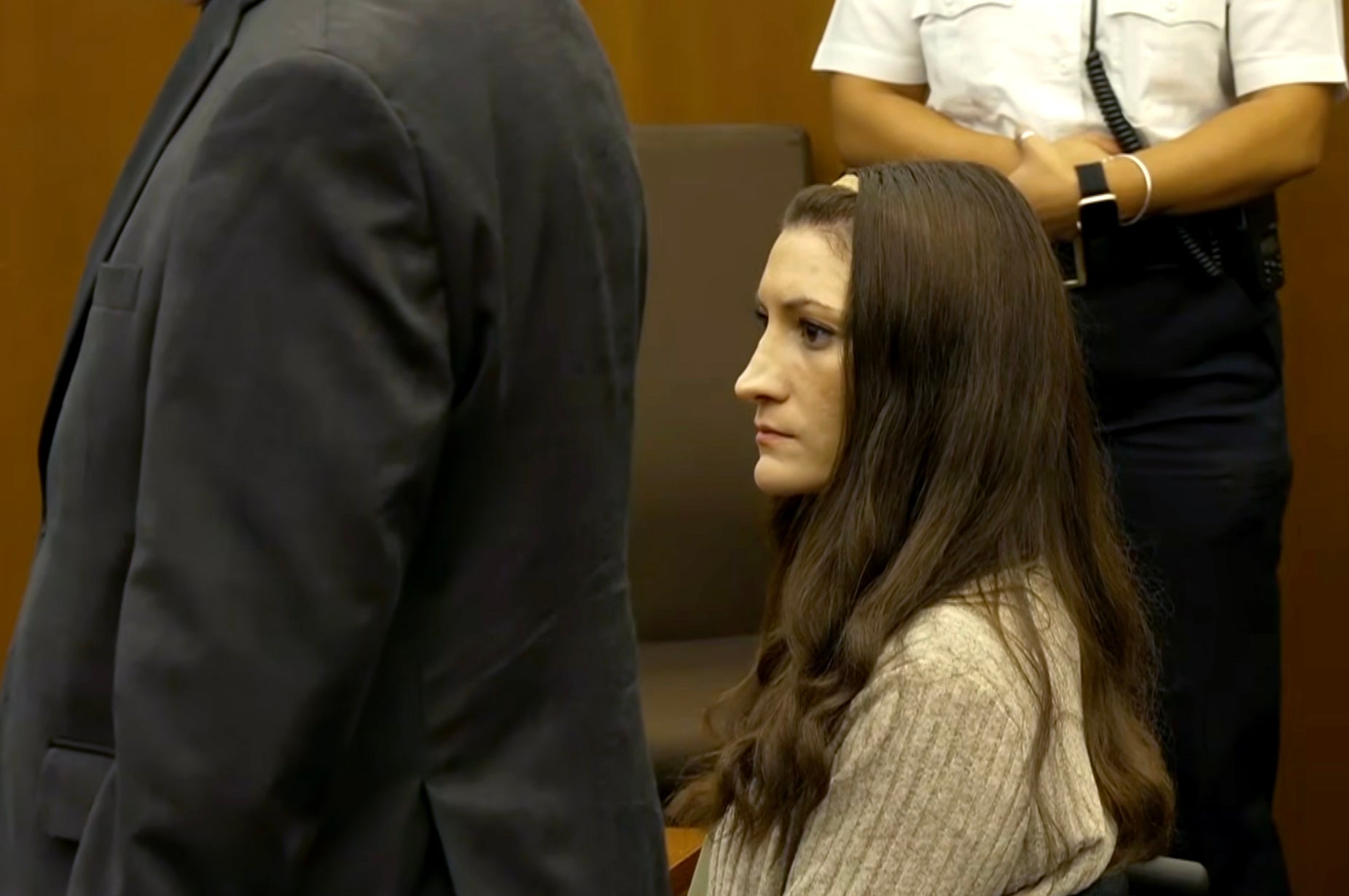
With the defendant present in a beige sweater alongside family members, legal teams registered no formal objections to the judge’s directive. This procedural consensus underscores the standard practice of allowing deliberation panels adequate time to navigate complex evidentiary records in felony matters involving technical medical testimonies.
Broader Implications of Deadlocked Proceedings
The deadlocked jury highlights systemic challenges in adjudicating complex psychiatric defenses. Courts must balance the rights of defendants experiencing profound psychological distress against statutory mandates governing accountability. The reliance on extensive expert testimony regarding postpartum mood disorders demands rigorous analytical evaluation from jurors without formal medical backgrounds.
Targeted supplemental instructions aim to encourage collaborative re-evaluation without exerting undue coercion, preserving verdict integrity while acknowledging the cognitive load of prolonged deliberations. The Plymouth courtroom proceedings continue to draw intense public scrutiny via institutional reporting networks.