Genomic Origins and Environmental Reservoirs
Phylogenetic analysis published in Nature Medicine confirms that the current Ebola outbreak in the Democratic Republic of the Congo (DRC) is a distinct epidemiological event. Genomic sequencing indicates the virus originated from a novel animal-to-human transmission rather than a resurgence of latent viral variants from previous outbreaks. This shift from human-to-human persistence to a fresh zoonotic spillover necessitates a strategic pivot toward ecological surveillance and monitoring the human-animal interface in the eastern DRC to preempt future environmental desbordamientos.
Surveillance Lags and Viral Velocity
The outbreak’s acceleration is statistically unprecedented; the death toll surpassed 2,000 nearly three times faster than during the 2014-2016 West African crisis. Retrospective genetic data reveals a critical three-month surveillance gap, with the virus circulating undetected from February until its official declaration in May. This lag allowed the pathogen to establish robust transmission chains within high-density populations, leading to a surge where mortality doubled in approximately three weeks, outstripping the operational bandwidth of international health agencies.
Structural and Socio-Political Impediments
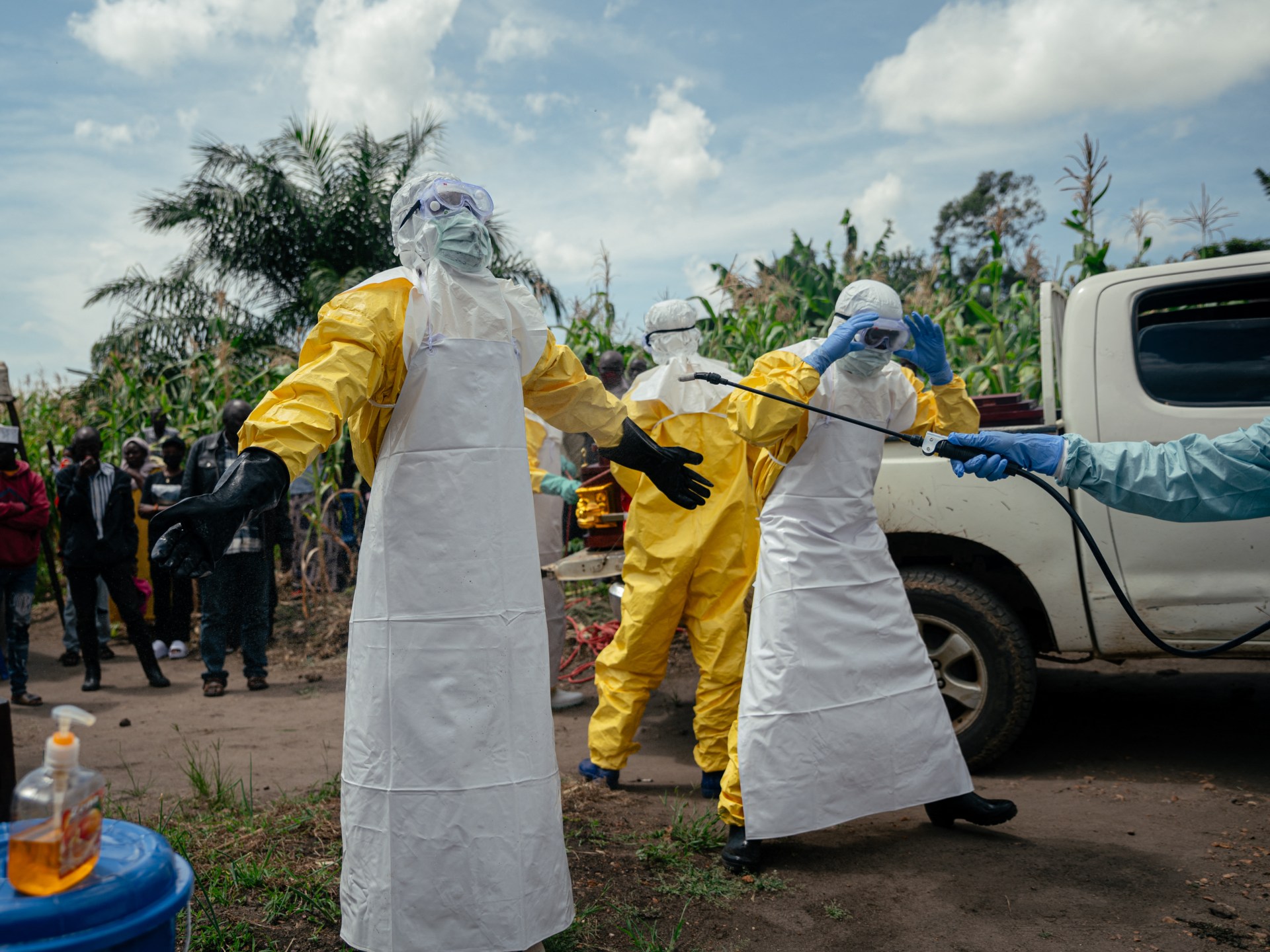
The epicenter in Ituri province is defined by a complex intersection of security instability and logistical deficits. Armed conflict creates high-risk zones that interrupt contact tracing and the delivery of experimental therapeutics. Furthermore, labor instability has emerged as a systemic vulnerability; frontline healthcare workers have engaged in work stoppages over unpaid wages, fracturing the integrity of screening protocols. These administrative delays in fund disbursement effectively sideline essential human capital during the most volatile phases of viral propagation.
Urbanization and Cross-Border Risk
Unlike historical outbreaks confined to remote villages, the current Zaire ebolavirus strain is circulating in urban centers with populations exceeding 100,000. This demographic density increases the reproductive rate of the virus, as traditional contact-tracing models struggle to scale with complex social networks. The detection of cases in Uganda further highlights the regional exposure, where porous borders and high mobility facilitate international transmission. The World Health Organization (WHO) has responded by accelerating clinical trials for vaccines and treatments, yet the success of these interventions remains contingent on stabilizing the socio-political and operational environment.
Community Friction and Clinical Intervention
The persistence of the outbreak is exacerbated by cultural friction between traditional healing practices and institutional medical protocols. Delays in seeking clinical care, often driven by mistrust or lack of access, remain a primary driver of household transmission and high mortality rates. Breaking the chain of transmission requires not only pharmaceutical intervention but also the reconciliation of community-based health behaviors with formal epidemiological standards to reduce the critical interval between symptom onset and isolation.