Atmospheric Dynamics and Systemic Economic Exposure
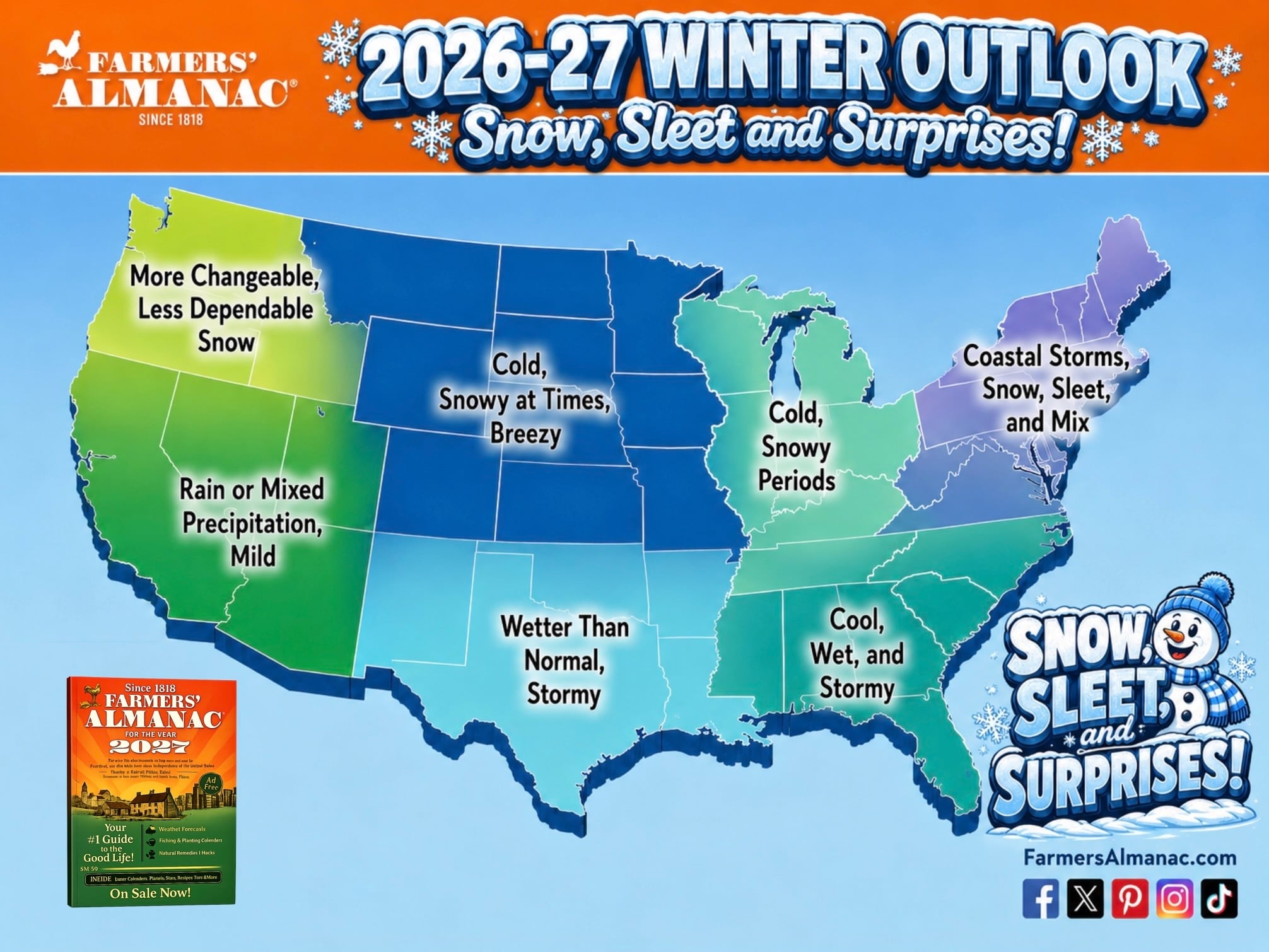
The 2026-2027 winter forecast issued by the Farmers’ Almanac signals a period of heightened atmospheric instability, primarily driven by the emergence of a ‘Super El Niño.’ This phenomenon represents more than a seasonal shift; it is a macro-economic catalyst that necessitates a recalibration of energy procurement, logistical routing, and risk mitigation strategies across North America.
The Super El Niño: A Driver of Market Volatility
The projected intensification of El Niño involves a significant perturbation of the Pacific jet stream, steering it south of its climatological mean. This mechanical shift creates a bifurcated weather regime. For commodity traders and energy analysts, this suggests a contraction in heating degree days (HDD) across the Northern Tier, potentially depressing natural gas demand, while simultaneously increasing cooling or moisture-management costs in the Sun Belt.
Regional Infrastructural and Logistical Analysis
The Southern Tier: Anticipated surplus precipitation across the Southwest and Southeast presents substantial challenges for heavy infrastructure and soil stability. Agricultural stakeholders must prepare for saturated conditions that could delay early-cycle planting, while logistics providers face increased operational friction due to hydrological stress on transit corridors.
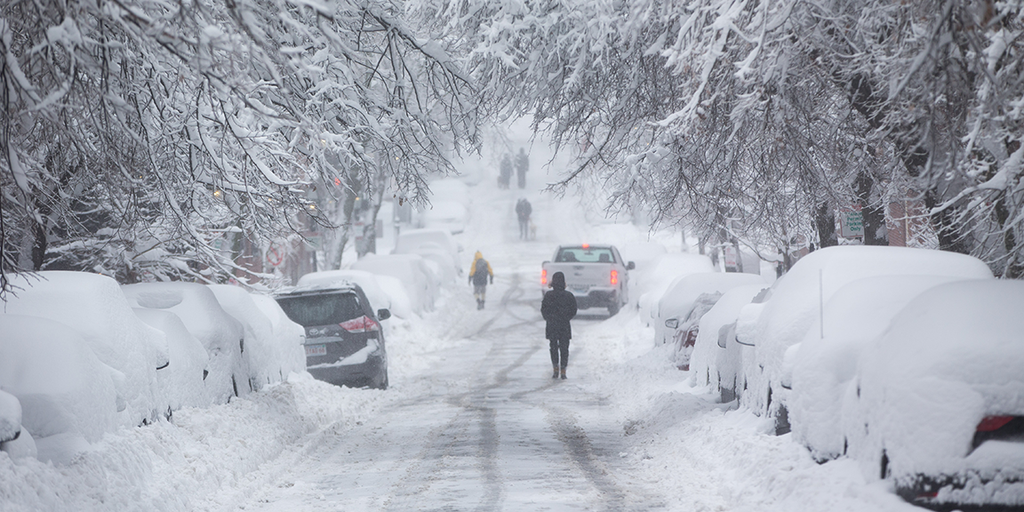
The Northeast Corridor: The forecast predicts a high-liability mix of sleet, freezing rain, and ‘heavy wet snow.’ This specific precipitation profile is a primary driver of ‘load shedding’ in electrical grids, as the physical weight of wet snow poses a direct threat to aging transmission infrastructure. Municipalities should anticipate higher-than-average expenditures on de-icing agents and emergency labor.
The Northern Tier: Energy Demand and Resource Management
In Michigan and the Great Lakes region, the southward migration of the jet stream typically isolates the area from consistent Arctic intrusion, leading to a ‘brown winter.’ While this provides a fiscal reprieve for municipal snow-removal budgets, the long-term ecological impact—such as reduced Great Lakes ice cover—may negatively affect hydroelectric yields and local maritime ecosystems.
Methodological Foundation and Solar Integration
The Farmers’ Almanac utilizes a proprietary model established in 1818, which synthesizes solar cycle activity, lunar tidal influences, and historical terrestrial patterns. This methodology, currently overseen by Caleb Weatherbee, offers a unique counterpoint to short-term GFS or ECMWF models by focusing on recurring natural cycles. The integration of the sun’s 11-year solar cycle remains a focal point for understanding multi-year climate trends and their subsequent impact on global supply chains.
Strategic Summary for Stakeholders
The ‘sharp contrasts’ defined in the 2026-2027 outlook suggest that operational success will depend on regional elasticity. Insurance underwriters and disaster-recovery firms should prioritize the Northeast and Southern Tier for potential claims related to ice damage and flooding. Conversely, the Northern markets may see a shift in consumer behavior as traditional winter-demand patterns flatten, requiring a pivot in inventory management for seasonal retail sectors.