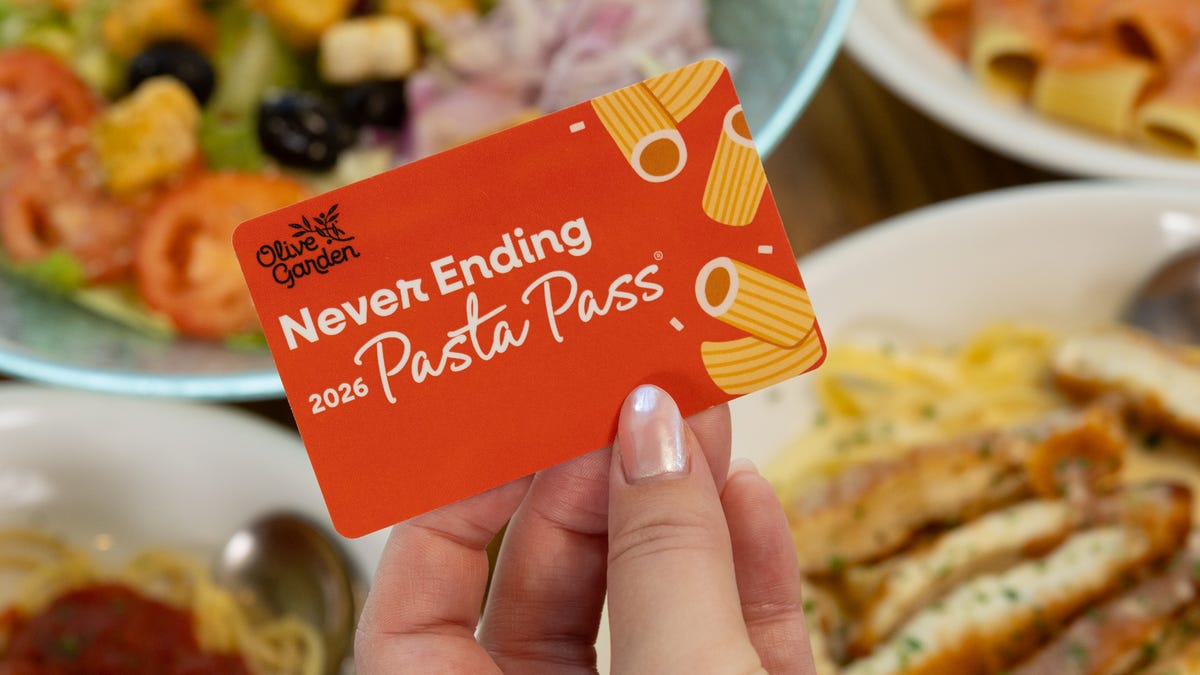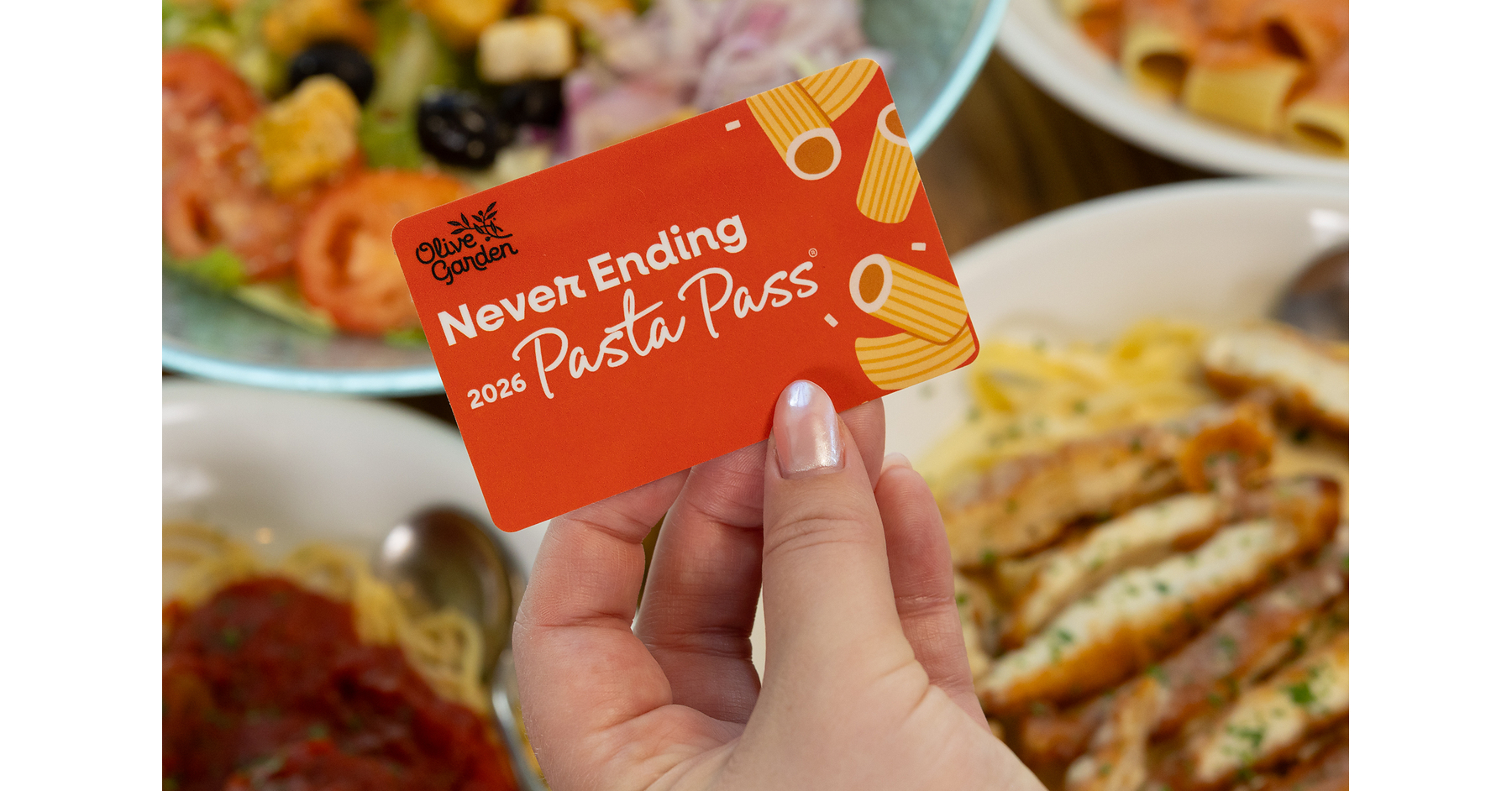
The tactical reinstatement of Olive Garden’s Never-Ending Pasta Pass after a six-year hiatus is a masterclass in promotional lifecycle management and scarcity-driven brand equity activation. By restricting supply to just 10,000 passes priced at $100 for 13 weeks of unlimited dining, the Darden Restaurants subsidiary generates asymmetric media exposure. This strategic move leverages historical consumer nostalgia to drive high-intensity engagement in a highly fragmented casual dining sector, utilizing legacy promotional assets to stimulate immediate demand without diluting baseline pricing structures.
The Loss-Leader Framework and Margin Optimization
While a $100 price point for 13 weeks of unlimited pasta, soup, salad, and breadsticks represents an extreme loss-leader model, its primary objective is not direct margin generation from the initial $1 million in gross sales. Instead, the strategic value lies in ancillary revenue capture and transaction economics. Passholders rarely dine in isolation; they serve as customer acquisition vehicles, bringing full-paying companions who purchase high-margin items such as specialty beverages, appetizers, and desserts.
This “companion drag” effectively subsidizes the marginal cost of the passholder’s food, converting a potential operational loss into a net-positive ticket. Additionally, the guaranteed, predictable foot traffic during off-peak hours optimizes restaurant labor utilization and kitchen asset efficiency, proving that targeted margin compression on a core product can drive overall portfolio profitability.
Zero-Party Data Capture and Digital Scalability
The allocation of 10,000 passes nationwide creates an artificial scarcity that operates as a powerful earned-media catalyst. With passes historically selling out within minutes, the digital transaction window on July 16 at 2 p.m. ET via PastaPass.com represents a critical test of the brand’s digital infrastructure. Managing high-concurrency web traffic smoothly is paramount to preserving brand reputation and ensuring frictionless transactional execution.
Crucially, this digital gatekeeping model functions as an acquisition funnel for high-value first-party consumer data. By requiring registration through a dedicated portal, Olive Garden secures direct, consent-backed customer profiles. The long-term economic value of this proprietary marketing database—enabling hyper-targeted CRM campaigns and reducing future programmatic customer acquisition costs (CAC)—far outweighs the immediate $1 million cash injection generated by the sale.
Supply Chain Resiliency and Kitchen Throughput
Executing a high-volume, 13-week unlimited promotion across a massive national footprint requires absolute operational discipline and robust supply chain integration. Accurate predictive forecasting of core SKUs—such as proprietary pasta cuts, sauces, and protein add-ons—is essential to prevent localized stockouts that could damage customer satisfaction. The operational complexity is compounded by the concurrent run of the public-facing Never-Ending Pasta Bowl promotion.
At the unit level, kitchens must balance high-velocity preparation with strict quality standards. While the repetitive assembly of pasta dishes allows line cooks to achieve high operational speed, it demands precise labor scheduling to prevent staff burnout. Balancing the concurrent demands of standard menu items, standard promotional diners, and exclusive passholders is critical to maintaining dining room service speeds and positive customer satisfaction metrics.
Competitive Defensive Moats and Lifetime Value (LTV)
In an inflationary market defined by value-conscious consumers and aggressive fast-casual competition, traditional advertising yields diminishing returns. Olive Garden’s Pasta Pass establishes a temporary monopoly over the passholder’s dining budget. Because the meal cost is sunk, consumer utility is maximized by frequenting Olive Garden, effectively displacing competitors and reinforcing habitual dining patterns.
This initiative directly boosts Customer Lifetime Value (LTV). As Jaime Bunker, Senior Vice President of Marketing, indicated, the revival of the pass directly rewards the brand’s most vocal advocates, converting casual affinity into structural brand loyalty. By preserving a premium brand perception through strict volume controls, Olive Garden successfully avoids the brand dilution associated with continuous discounting while securing defensive positioning in the broader casual dining landscape.