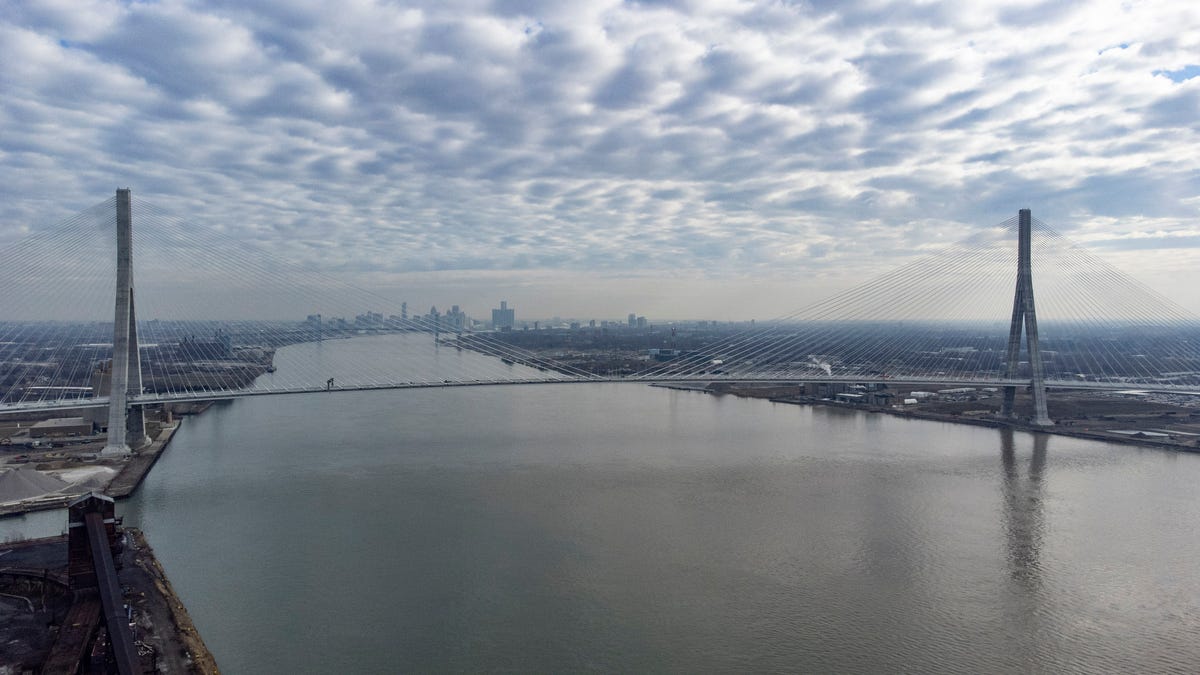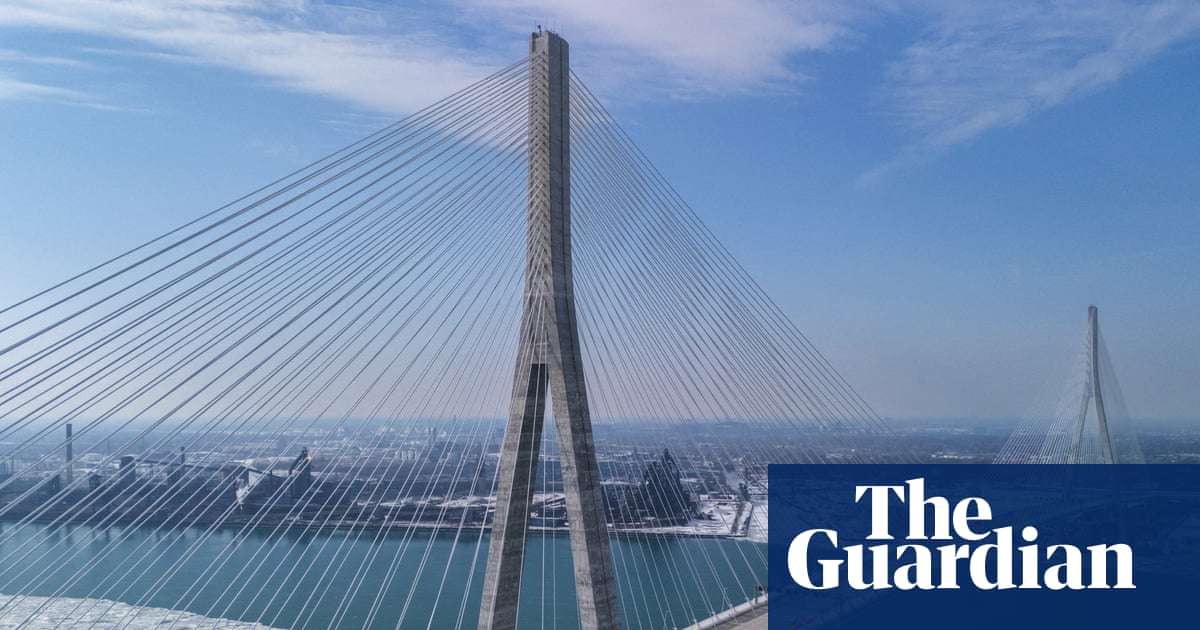
The operational activation of the Gordie Howe International Bridge represents a transformative shift in North American logistics, concluding an eight-year, $4.7 billion construction cycle. While the July 27 opening resolves an immediate diplomatic impasse, the project’s underlying architecture reveals a complex intersection of sovereign investment and cross-border regulatory tension.
Asymmetric Financing and Sovereign Risk
The financial framework of the project is defined by a significant asymmetry: the Canadian federal government assumed the total $4.7 billion capital expenditure. Despite this unilateral funding, the bridge operates under a dual-governance model involving both the state of Michigan and Canadian federal authorities. This structure subjects Canadian sovereign capital to the shifting domestic political currents of the United States, as evidenced by the abrupt cancellation of the June ribbon-cutting ceremony.
Tolling Floors as Market Protectionism
A pivotal clause in the binational agreement requires U.S. federal approval for any toll reductions below regional averages. This mechanism functions as a regulatory price floor, effectively neutralizing the bridge’s ability to engage in aggressive price competition. By preventing the public entity from undercutting private-sector rates, the agreement protects the revenue models of established competitors—specifically the nearby Ambassador Bridge—altering the competitive equilibrium of the Detroit River crossing.
Regulatory Capture and Political Scrutiny
The project’s administrative delays have prompted allegations of political interference within the U.S. executive branch. Representative Rashida Tlaib and other critics have characterized the timing of these hurdles as a tactical delay intended to benefit Matthew Moroun, owner of the Ambassador Bridge. This scrutiny highlights the vulnerability of critical infrastructure to ‘quid pro quo’ politics, where regulatory leverage is utilized to maintain private market dominance against public-sector entry.
The WDBA and Binational Synchronization
The Windsor-Detroit Bridge Authority (WDBA), a Canadian Crown corporation, serves as the institutional intermediary navigating these geopolitical frictions. Beyond engineering oversight, the WDBA must synchronize the divergent security protocols of U.S. Customs and Border Protection (CBP) and the Canada Border Services Agency (CBSA). The phased opening—initiating vehicular traffic on July 27 followed by pedestrian access on August 5—reflects a calculated approach to stabilizing border security environments under multi-modal conditions.
The Security-Infrastructure Nexus
Integrating a 1.5-mile, toll-free pedestrian and bicycle path introduces a unique security-infrastructure nexus. Despite its status as a non-motorized transit link between the Trans Canada Trail and Michigan’s Iron Belle Trail, the path remains a high-security corridor requiring passport verification. This underscores the reality that even ‘open’ infrastructure remains subordinated to national security imperatives in a post-9/11 border regime.
Strategic Redundancy in Regional Logistics
Ultimately, the Gordie Howe Bridge provides critical trade redundancy for the Detroit-Windsor corridor, a primary artery for industrial supply chains. However, the requirement for shared oversight on tolling suggests the bridge will operate within a ‘managed market.’ The project’s long-term utility will be measured by its ability to maintain operational flow while navigating the persistent tension between public-service provision and private-sector protectionism.