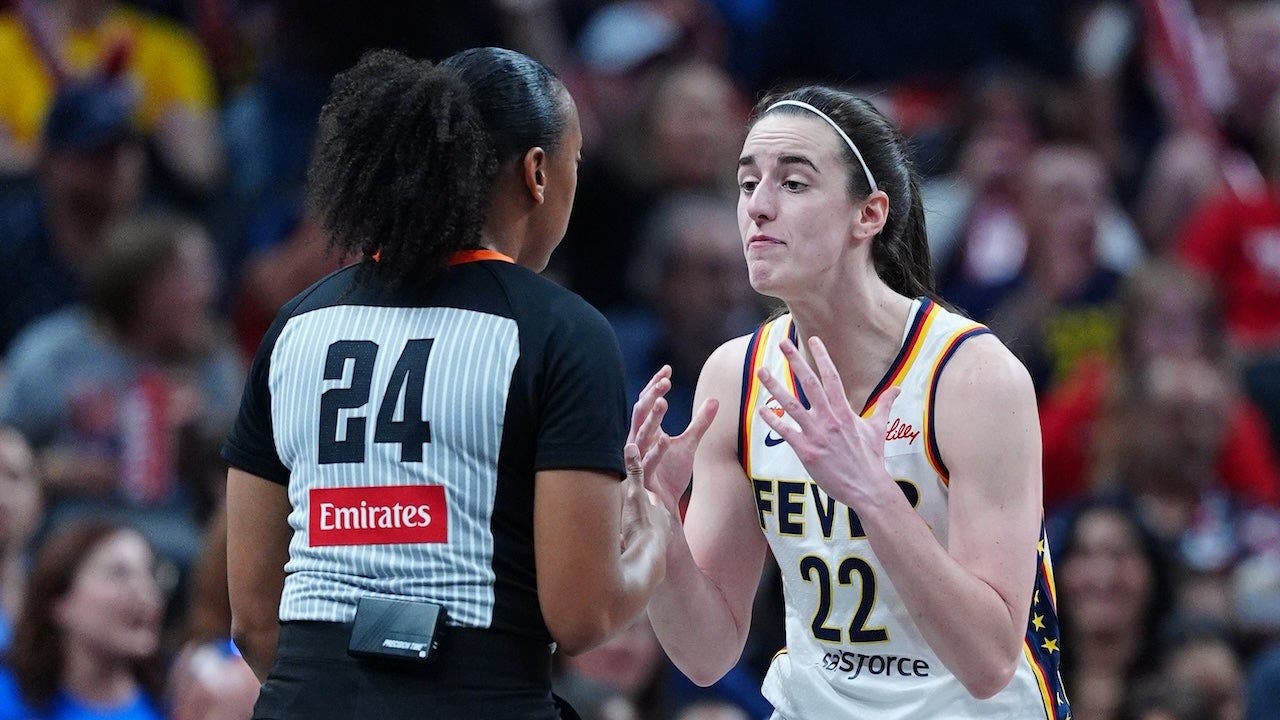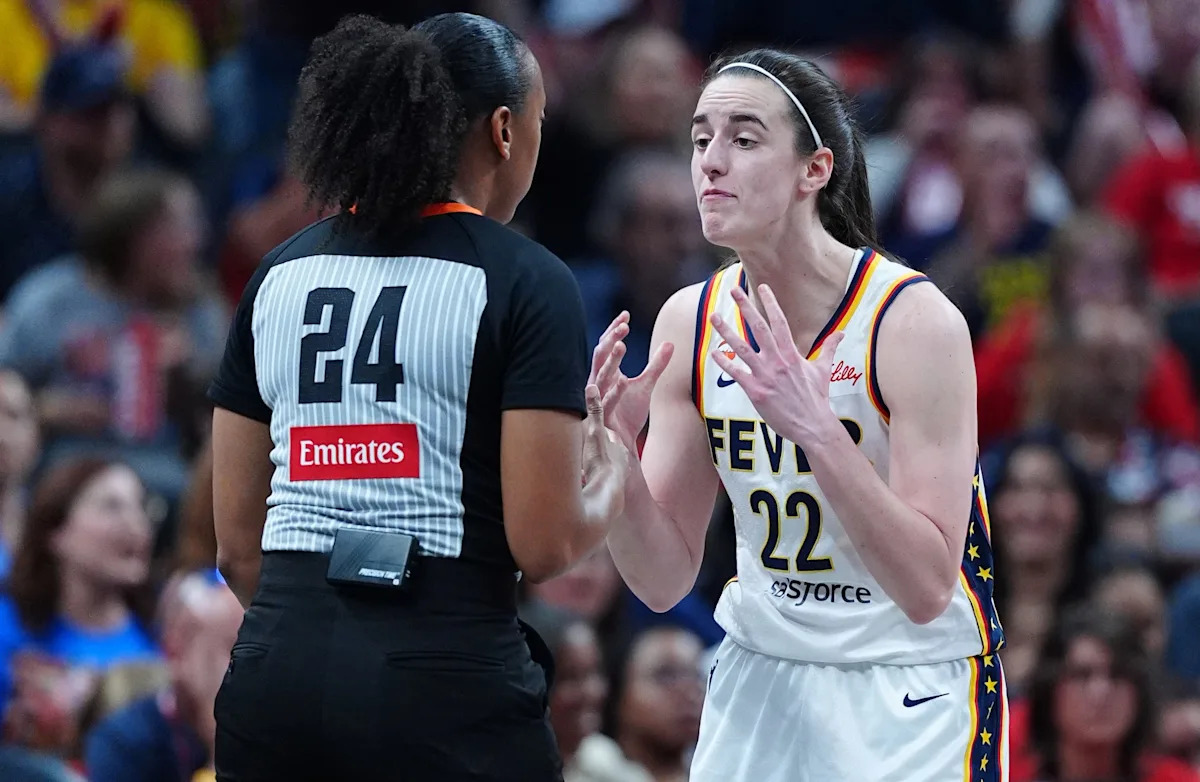
The Indiana Fever’s 88-75 loss to the Golden State Valkyries serves as a critical case study in the tension between high-usage offensive archetypes and the league’s current tolerance for defensive physicality. The game’s central conflict involved a non-call on a quad contusion sustained by Caitlin Clark during a collision with veteran Kiah Stokes. The official determination—that Clark initiated the contact—uncovers a significant divergence in how officiating crews evaluate spatial ownership, effectively penalizing ball-handlers for incidental contact during drives.
Tactical Disruptions and Officiating Interpretations
The “initiating contact” narrative adopted by officials creates a strategic bottleneck for the Fever’s offensive system. When officiating logic shifts the burden of collision avoidance onto the offensive player, it incentivizes high-impact defensive posturing. Coach Stephanie White’s critique of this interpretation suggests an organizational concern that their primary asset is being denied the regulatory protection typically afforded to marquee playmakers. This officiating friction forced Clark to modify her shot selection, pivoting from aggressive rim pressure to lower-efficiency perimeter attempts.
The Kinetic Impact of Compounding Injuries
Clark’s performance—13 points on 28.6% shooting—was heavily influenced by the interplay between a lingering back injury and the new quad contusion. A back injury is particularly detrimental to high-volume shooters as it disrupts the kinetic chain, diminishing the core stability required for long-range elevation. The decision to restrict her to 25 minutes, down from her 33.1-minute average, indicates a conservative load-management strategy. However, this restriction compromised the Fever’s offensive geometry, leading to a season-low 75 points as secondary rotations struggled to fill the gravitational void left by a compromised Clark.
Defensive Blueprints and Market Implications
The Valkyries’ eighth consecutive win provides a tactical template for neutralizing mobility-impaired stars. By leveraging physical veterans like Stokes to test the officiating threshold, Golden State successfully exploited Clark’s limited lateral movement. For the WNBA, the branding risk of its premier talent being physically hampered by uncalled contact creates a complex balancing act. Ensuring the physical integrity of stars is vital for marketability, yet maintaining the league’s reputation for rugged, physical play is a core component of its identity. The Fever must now navigate a recovery timeline where the risk of compensatory injuries remains high.