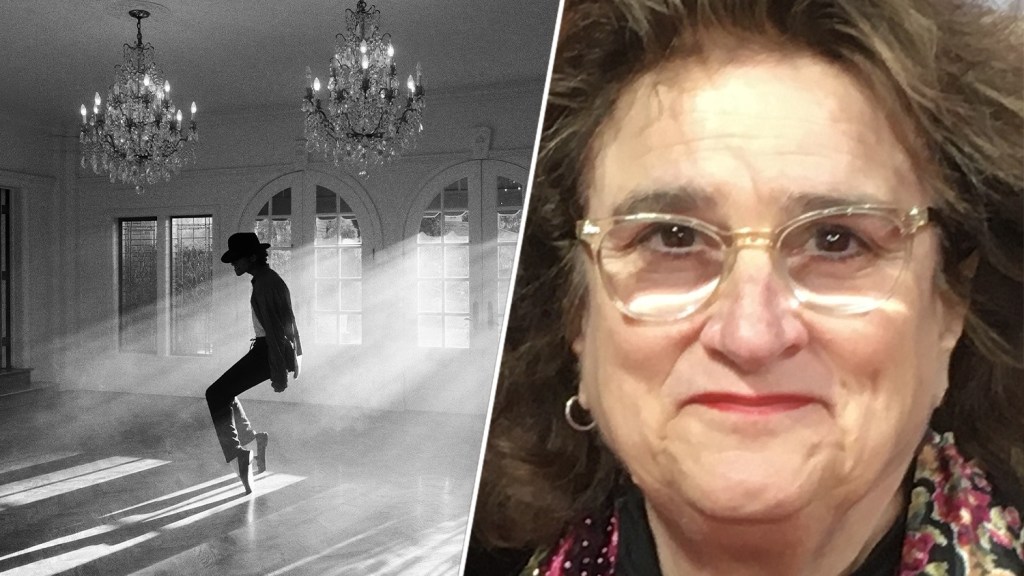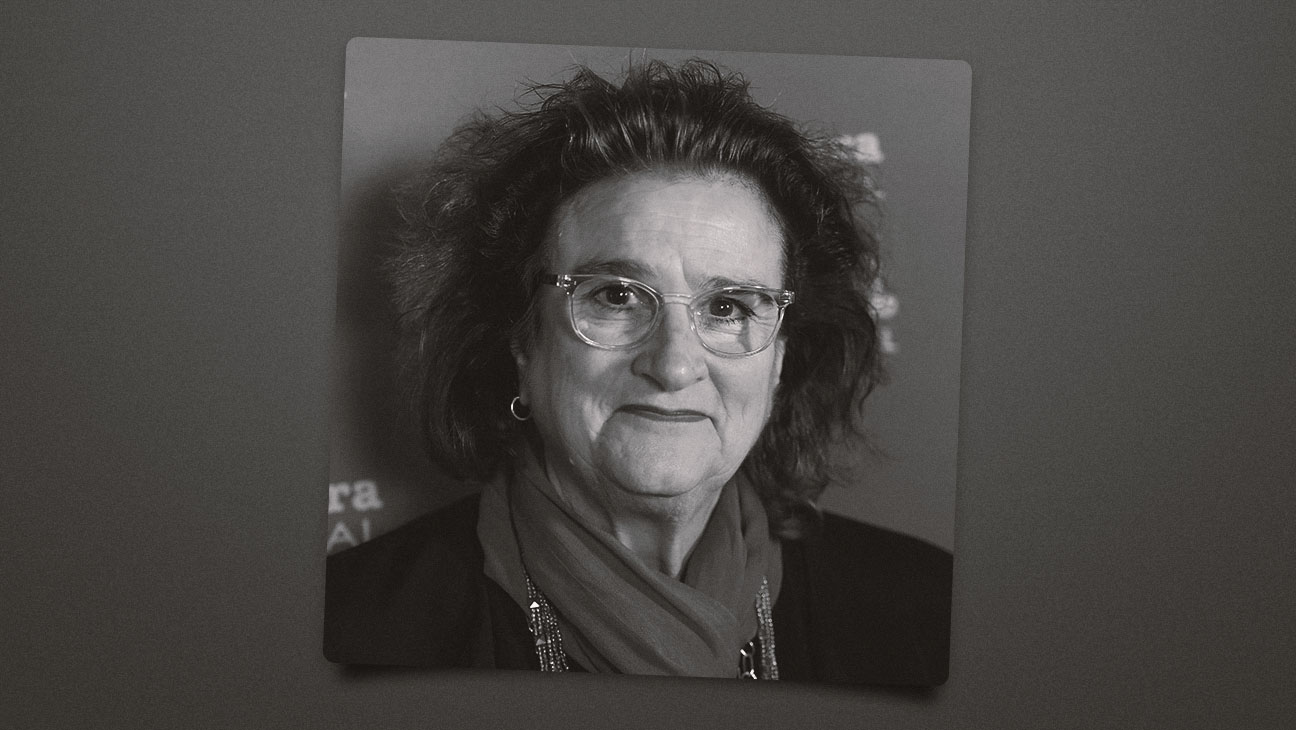
Barbara Ling, Oscar-Winning Production Designer, Dies at 73
Barbara Ling, the Oscar-winning production designer celebrated for her meticulous period recreations and visually rich environments, has died at the age of 73. Her distinguished career, spanning over four decades, significantly influenced the visual narrative of contemporary cinema, leaving an indelible mark on iconic films.
Ling passed away from cancer on Thursday in Santa Barbara, as confirmed by her representatives. Her profound impact on the art of production design and the visual lexicon of filmmaking was driven by an exceptional ability to masterfully blend historical authenticity with contemporary realism and stylized fantasy.
Foundational Training and Early Career
Born in August 1952, Ling’s artistic journey began in theater, opera, and musical productions. She honed her skills designing sets and lighting for over 200 shows, developing a unique understanding of spatial dynamics and atmospheric creation that would prove invaluable in cinematic endeavors.
Her initial foray into the film industry was as a lighting designer for the 1981 comedy special ‘The Pee-Wee Herman Show.’ This early exposure to film’s technical demands paved the way for her transition into production design, a field where her distinctive vision would soon define memorable cinematic landscapes.
Rise to Prominence in Hollywood
Ling’s dedicated career as a production designer flourished through the 1980s and 1990s, marked by a series of influential projects. Her early work on films such as ‘Less Than Zero’ (1987) and David Byrne’s ‘True Stories’ (1986), her production design debut, demonstrated an early aptitude for capturing distinct urban and artistic milieus.
In 1991, Ling contributed to two critically acclaimed films: Oliver Stone’s ‘The Doors,’ which delved into the psychedelic era of rock music, and Jon Avnet’s ‘Fried Green Tomatoes.’ Her involvement in the latter extended beyond design to include an associate producer role, signaling her growing influence and comprehensive engagement with the filmmaking process.
Mastery of Period Authenticity and Genre Versatility
Ling’s signature ability to transport audiences to specific historical moments and locales was a hallmark of her career. Her work on Quentin Tarantino’s ‘Once Upon a Time in Hollywood’ (2019) is a prime example, where she meticulously recreated the vibrant, complex tapestry of 1969 Los Angeles. This achievement earned her an Academy Award for Best Production Design, shared with set decorator Nancy Haigh, solidifying her reputation as a master of historical environmental design.
Her versatility was further showcased in her collaborations with director Joel Schumacher. Ling was instrumental in establishing the distinct visual identities for Gotham City in ‘Batman Forever’ (1995) and ‘Batman & Robin’ (1997), demonstrating an equal command of fantastical, larger-than-life urban environments as she had with historical settings.
Diverse Portfolio and Key Collaborations
Throughout her extensive career, Ling worked across a wide spectrum of genres and directorial styles. She contributed to films like ‘Hearts in Atlantis’ (2001) with director Scott Hicks, and later collaborated with him on ‘No Reservations’ (2007), ‘The Lucky One’ (2012), and ‘Fallen’ (2016), showcasing her adaptability to diverse narrative demands.
Ling also revisited Los Angeles’s contemporary urban landscape for the thriller ‘Falling Down’ (1993), directed by Michael Douglas, offering a stark portrayal of urban decay and social tension. Her recent projects included Marc Forster’s ‘A Man Called Otto’ (2022) and the highly anticipated biopic ‘Michael’ (2026), highlighting her continued relevance and impact.
Impact on Cinematic Visual Language and Industry Economics
Ling’s legacy extends beyond individual film credits; she profoundly influenced the visual language of modern filmmaking. Her commitment to authentic detail and atmospheric depth provided filmmakers with the tangible worlds necessary to fully realize their artistic visions, enhancing audience immersion and critical reception. Directors and producers strategically selected Ling for her proven ability to translate complex scripts into visually compelling realities, a factor that reduced risk for studios by ensuring a high standard of visual execution.
The financial oversight and operational management inherent in production design were areas where Ling excelled. Her ability to deliver meticulously crafted sets within budgetary and time constraints was crucial for film viability. The substantial capital investment studios allocated to her projects, underscored by her Oscar win for ‘Once Upon a Time in Hollywood,’ reflects the industry’s recognition of production design as a critical driver of a film’s perceived quality and marketability. Her involvement directly impacted budget allocation, with significant portions dedicated to set construction, location scouting, and prop acquisition under her creative and managerial purview.
Competitive Positioning and Enduring Legacy
In the competitive field of film production design, Ling’s consistent delivery of exceptional work positioned her among the industry’s elite. Her Oscar win and demand from high-profile directors like Tarantino and Schumacher allowed her to command premium fees and significant creative control. Her success established a benchmark for aspiring production designers, influencing training and industry expectations. The leverage derived from her contributions was evident in the critical and commercial success of many of her films, demonstrating the direct correlation between strong production design and overall project profitability.
Ling’s passing has implications for studios, directors, fellow crew members, and the audience. Her legacy serves as a testament to the vital role of production design in filmmaking. Her influence will continue to inspire future generations of designers, encouraging a deeper integration of historical research, artistic innovation, and practical execution in creating cinematic environments. The industry’s continued investment in skilled production designers like Ling underscores the understanding that visual storytelling is a cornerstone of cinematic art, shaping the enduring cultural relevance of films.