Paradigm Shifts in Risk Assessment: The ‘Transit is Travel’ Doctrine
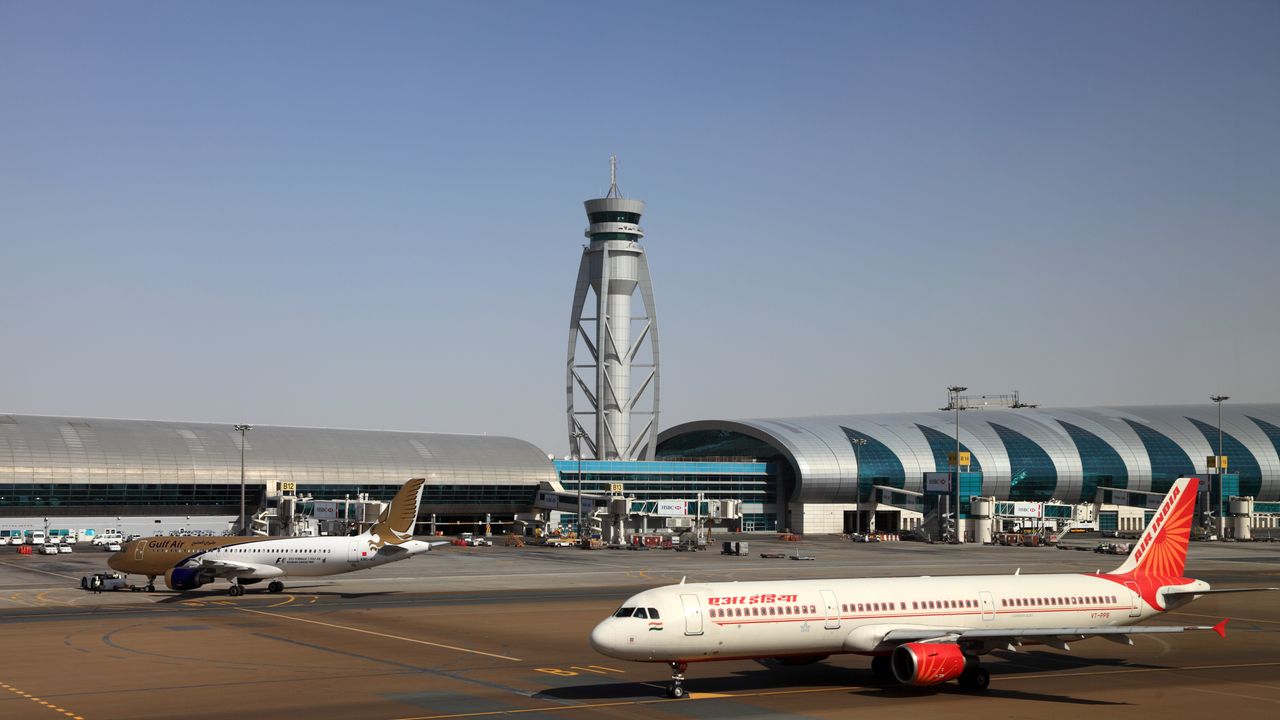
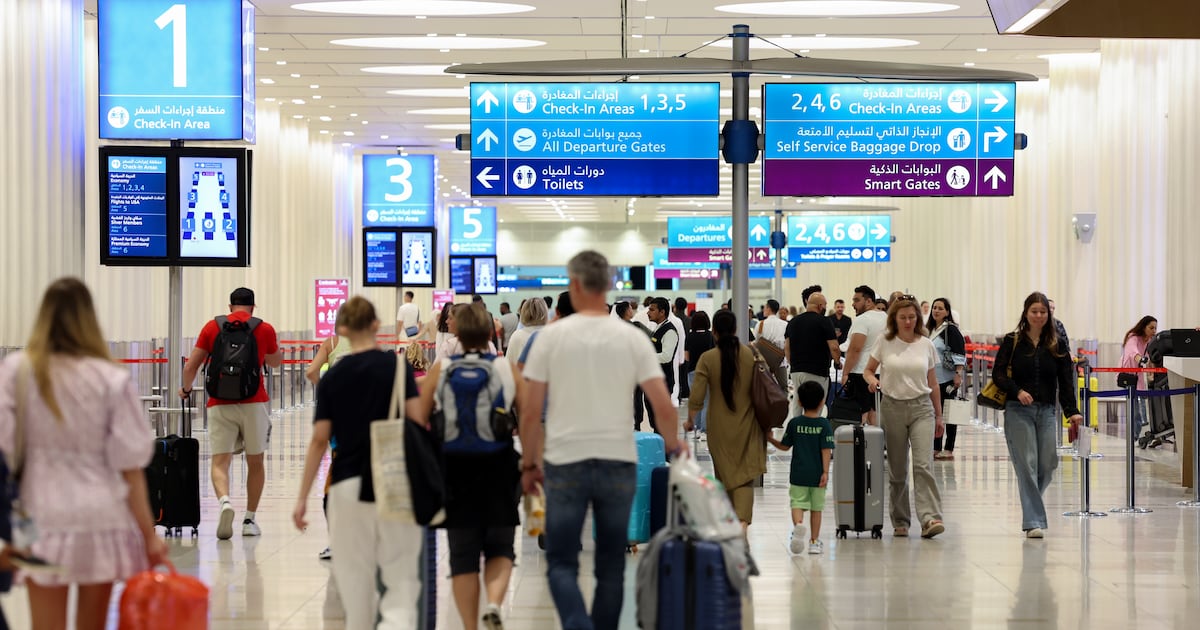
The Australian Department of Foreign Affairs and Trade (DFAT) has instituted a pivotal recalibration of its risk assessment framework for the United Arab Emirates and Qatar. By formalizing the ‘Transit is Travel’ doctrine via Smartraveller, authorities have effectively harmonized the risk profile of transit passengers with those of primary destinations. This institutional shift acknowledges that the physical presence of international travelers in regional hubs now constitutes a direct exposure to localized security variables, eroding the traditional perceived immunity of international transit zones.
For the Gulf’s aviation industry, which operates on a high-volume hub-and-spoke model, this reclassification introduces significant friction. Beyond public perception, this policy adjustment serves as a lead indicator for corporate travel insurance premiums and institutional risk tolerances. The transition from a passive warning regarding ‘military action’ to an active ‘reconsider your need to travel’ status signals a structural deterioration in confidence regarding regional stability.
Operational Continuity vs. Kinetic Escalation
Despite increased kinetic activity and missile interceptions, the Gulf’s aviation sector maintains a posture of resilient continuity. This is facilitated by a sophisticated integration between civil aviation authorities and national defense infrastructures. The UAE’s National Emergency Crisis and Disaster Management Authority (NCEMA) currently manages air-defense engagements in sectors partitioned from commercial corridors, preserving the economic viability of flagship carriers while navigating tactical threats.
However, this stability remains fragile. The suspension of specific routes—such as those between Dubai and Saudi Arabia following strikes on Abha International Airport—highlights the vulnerability of regional logistics to asymmetric threats. While widespread cancellations have been averted, the margin for error in de-conflicting airspace has narrowed as state and non-state actors deploy increasingly precise long-range capabilities.
The Post-MOU Diplomatic Vacuum
The collapse of the June 17 Memorandum of Understanding (MOU) represents the removal of the primary diplomatic guardrail in the US-Iran relationship. The subsequent wave of reprisal attacks across Bahrain, Jordan, Kuwait, and Oman indicates that the security architecture of the region is now operating without a established floor. The targeting of US facilities by the Islamic Revolutionary Guard Corps (IRGC) directly challenges the status quo, forcing mediators like Qatar and Pakistan into high-stakes interventions amidst active hostilities.
Without a formal communication framework, the risk of miscalculation remains at a historical zenith. Any potential de-escalation now requires significant concessions that neither Washington nor Tehran appear positioned to offer, leaving the region in a state of ‘managed volatility’ where commercial operations must coexist with active military engagements.
Maritime Interdiction and Global Energy Security
The Strait of Hormuz has returned to its status as a primary theater of conflict. Recent cruise missile strikes on UAE-linked vessels and supertankers signify a shift from peripheral harassment to targeted disruption of physical energy infrastructure. These incidents introduce acute volatility into the maritime insurance and logistics sectors, as the ‘cost of doing business’ for Western-linked assets rises proportionally with the risk of collateral damage.
For Gulf economies, the protection of these maritime corridors is an existential priority. The transition toward direct hits on energy transport suggests a tactical objective of disrupting the global energy supply chain to exert geopolitical leverage. This decoupling of diplomatic stability from commercial throughput forces global stakeholders to reconsider the long-term reliability of Gulf transit routes for both cargo and passengers.