
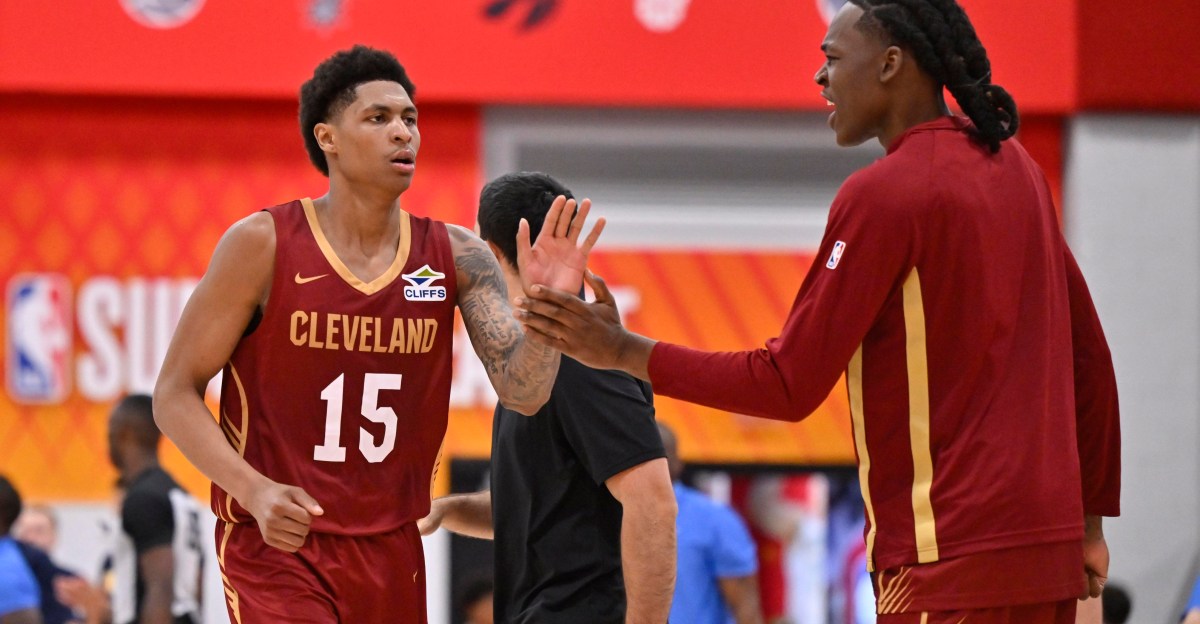
The Strategic Utility of Summer League
The NBA Summer League functions as a high-fidelity laboratory where front offices reconcile theoretical scouting models with professional-grade competitive data. While box-score outcomes remain secondary to developmental markers, the performance of draft picks and two-way personnel provides a critical empirical basis for long-term roster architecture.
For franchises like the Cleveland Cavaliers and Detroit Pistons, these games serve as a stress test for developmental trajectories. A player’s capacity to translate collegiate or international proficiencies into an NBA-speed environment is the primary determinant for their viability in regular-season rotation schemes.
Quantifying Draft Capital and Performance Metrics
The evaluation of recent draftees—such as Meleek Thomas—acts as a benchmark for scouting precision. A 20-point performance on 14 attempts, including sustained perimeter accuracy, validates the organization’s pre-draft offensive projections. This data reduces the fiscal and operational risk inherent in integrating new assets into established team systems.
Operationalizing Cost-Effective Depth
Two-way contracts remain essential for maintaining competitive parity under stringent salary cap regulations. Prospects like Tristan Enaruna are subjected to rigorous defensive screening during Summer League to verify if their offensive gains in the G League are sustainable against elite defensive pressure. Discrepancies in performance against higher-tier competition signal the need for either accelerated developmental investment or a pivot toward alternative free-agent targets.
Competitive Implications of Roster Fluidity
Internal competition for training camp invitations is driven by granular possession data. Players like Malaki Branham, who demonstrate high-efficiency scoring, provide coaches with actionable metrics regarding offensive spacing and tactical execution. For teams such as the Pistons, identifying such efficiency is a strategic imperative to elevate their offensive rating without inflating payroll, thereby optimizing the team’s overall competitive standing.
Institutional Strategy and Risk Management
Integrating talent requires balancing immediate production with long-term institutional goals. By monitoring prospects like Nae’Qwan Tomlin in high-leverage situations, front offices assess professional readiness for the physical rigors of an 82-game season. This analytical rigor ensures resource allocation toward prospects with the highest probability of impact, ultimately informing personnel movement and final roster construction heading into the league year.
Conclusion: Synthetic Intelligence in Basketball Operations
The strategic value of Summer League lies in synthesizing raw physical potential into actionable organizational intelligence. By prioritizing shooting efficiency, defensive versatility, and tactical discipline, teams refine their rosters to meet modern basketball demands. These evaluative insights remain the cornerstone of sustainable professional basketball operations.
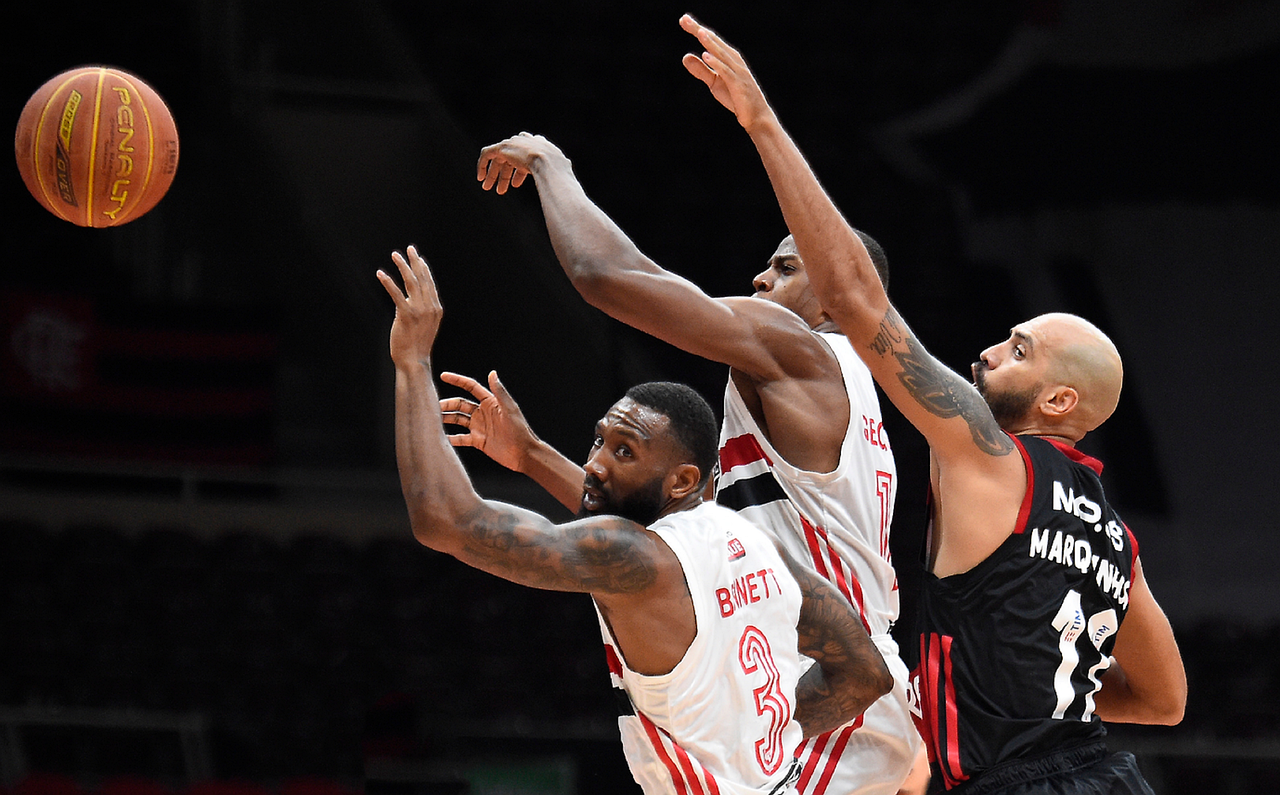
Photo by admomediaoffice on Pixabay.