
2026 World Cup Quarterfinals: Emerging Powers, Economic Impact, and Strategic Shifts
The 2026 FIFA World Cup, the most expansive in history, has reached its critical quarterfinal stage, significantly narrowing the competitive field. This juncture transcends mere sporting contests, offering a profound lens into evolving global football dynamics, commercial ecosystems, and strategic geopolitical positioning for national federations and international stakeholders.
The expanded 48-team format inherently amplifies both operational complexities and financial stakes. As teams advance through these high-stakes knockout rounds, their progression dictates not only athletic supremacy but also shapes media narratives, influences sponsorship valuations, and redefines the strategic leverage of footballing nations on the global stage.
Early Quarterfinalists Signal Shifting Power Dynamics
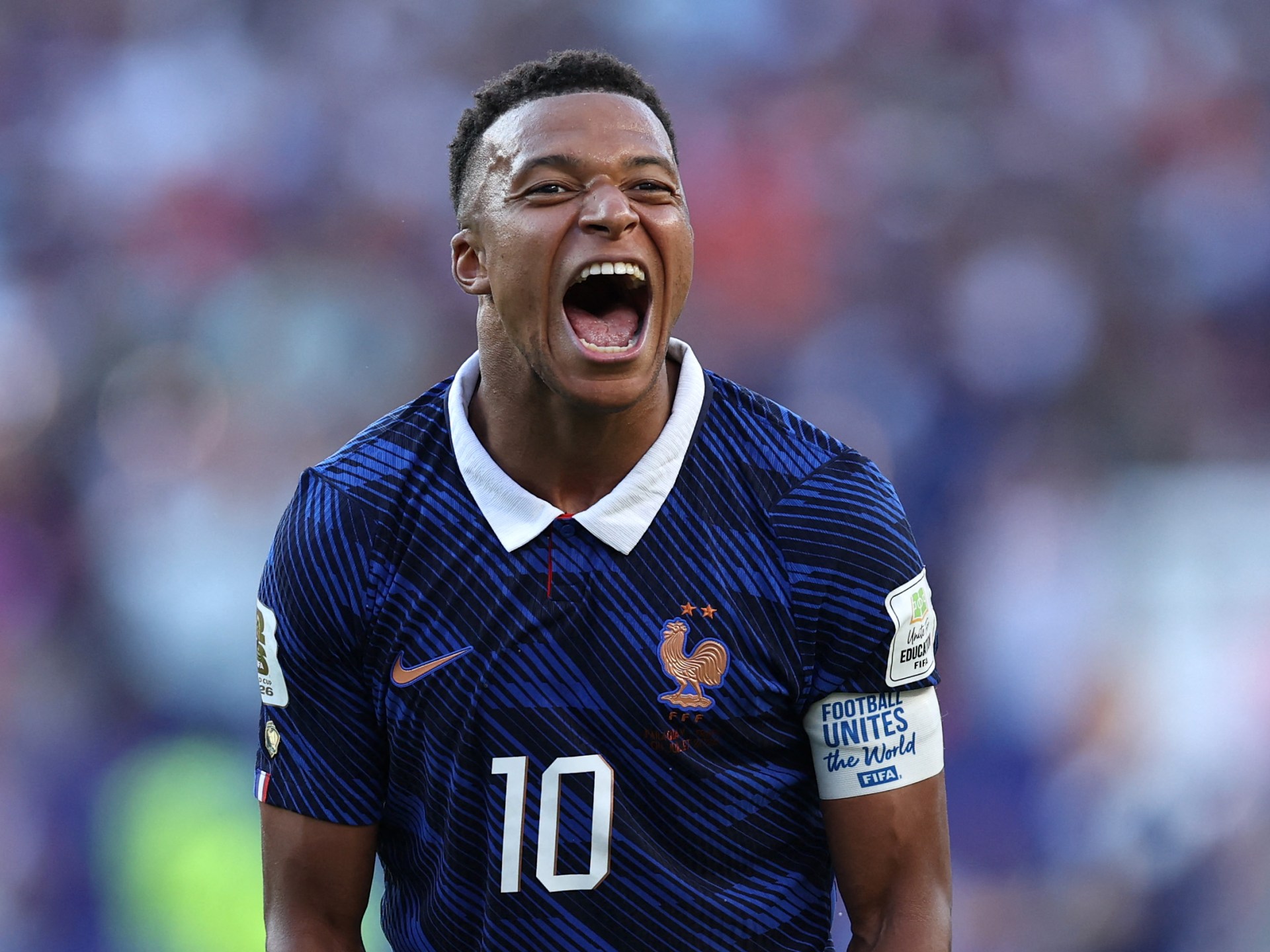
France and Morocco, the first teams to clinch quarterfinal spots, immediately established compelling narratives. France’s measured victory over Paraguay, secured by a Kylian Mbappé penalty, reaffirmed their status as a perennial contender, highlighting the consistent value of elite talent and established footballing infrastructure. Their sustained success reinforces the commercial viability of investing in proven high-performance pathways.
Conversely, Morocco’s emphatic 3-0 win against co-host Canada in Houston marked a transformative moment. Becoming the first African nation to reach consecutive World Cup quarterfinals is not merely a sporting feat; it signifies a potential structural shift in global football’s competitive landscape. This unprecedented consistency by an African team challenges traditional regional power dynamics and elevates the strategic importance of African football on the world stage.
This sustained performance translates into tangible commercial and strategic benefits for the Moroccan Football Federation and African football writ large. It enhances leverage in sponsorship negotiations, attracts increased investment in youth development, infrastructure, and coaching across the continent, and reshapes the talent pipeline and competitive balance for future generations. Morocco’s success generates significant media value and strengthens the brand equity of African football globally, positioning it as a dynamic growth market.
Host Nation Dynamics and Commercial Exposure
Canada’s elimination, despite co-host status, underscores the unforgiving competitive nature of the expanded World Cup. While all three host nations initially advanced to the Round of 16, Canada’s early exit highlights that home advantage does not guarantee progression in elite competition.
This early departure may temper localized fan engagement and immediate economic boosts in affected host cities. However, the enduring strategic value of co-hosting – encompassing infrastructure development, global media exposure, and long-term football promotion – often supersedes short-term sporting outcomes for host nations.
For FIFA and its commercial partners, the continued deep progression of other host nations, particularly the United States, is paramount for maximizing viewership and revenue in crucial markets. This emphasizes FIFA’s intricate balancing act between preserving competitive integrity and optimizing global commercial reach. The logistical complexities of scheduling across numerous host cities (Boston, Houston, Dallas, Seattle, Vancouver, Atlanta) and diverse time zones are meticulously managed to optimize broadcast windows, directly reflecting the symbiotic relationship between sporting events and global commercial distribution.
High-Stakes Quarterfinal Matchups and Strategic Narratives
The confirmed quarterfinal clash between France and Morocco in Boston on July 9 is a potent rematch of the 2022 World Cup semifinals. This fixture immediately ignites a compelling narrative, leveraging recent history to intensify stakeholder interest across continents and amplifying commercial appeal.
This high-profile encounter holds immense commercial weight for broadcasters such as FOX, projecting significant viewership and advertising revenue. Its strategic placement in a prime-time slot (4 p.m. ET) underscores an acute understanding of market demand and the global allure of these two footballing powers.
The magnetic presence of Golden Boot contender Kylian Mbappé further elevates France’s commercial value. Individual star power demonstrably impacts team marketability, drives merchandise sales, and shapes the media narrative, providing additional commercial leverage for national federations and player agents.
The progression of European stalwarts like Norway and England further solidifies the continent’s consistent presence in the tournament’s advanced stages. Their established fan bases and rich competitive histories enhance the quarterfinal lineup’s overall strength and competitive diversity, reflecting enduring traditional football power.
Remaining Round of 16 Fixtures and Anticipated Impact
The remaining Round of 16 fixtures will complete the quarterfinal bracket, each laden with strategic implications. Key matchups on July 6 include the Iberian derby of Portugal vs. Spain in Dallas and a crucial clash between co-host USA and Belgium in Seattle. The USA’s potential progression is vital for FIFA’s North American market penetration strategy, promising amplified domestic engagement, media coverage, and a significant return on hosting investment.
July 7 sees Switzerland vs. Colombia in Vancouver and Argentina vs. Egypt in Atlanta. These games are pivotal for defining the final geographic distribution of competitive power, influencing the representation from South America, Europe, and Africa in the elite eight.
The outcomes directly influence the market valuation of participating national teams and their athletes. Strong performances are catalysts for increased sponsorship acquisitions, elevated player transfer values, and enhanced global visibility for national football programs, thereby establishing a positive feedback loop for talent development and financial investment.
Institutional and Economic Implications of an Expanded Tournament
The 48-team World Cup format is a fundamental institutional pivot, engineered to democratize global participation and significantly bolster FIFA’s revenue. This expansion mandates an exponentially more complex operational framework, spanning numerous host cities, intensified logistical coordination, and a broader allocation of resources.
Economically, this ‘biggest World Cup ever’ inherently amplifies broadcast rights, expands sponsorship packages, and boosts tourism revenue for host nations. The extended tournament duration and increased match inventory provide enhanced opportunities for advertisers and media partners, driving substantial commercial returns.
However, expansion also introduces critical challenges regarding competitive equilibrium and player welfare. While some Round of 16 matches showcased dominant performances, others featured ‘late scares,’ revealing disparities in preparation and squad depth across the enlarged field. Sustaining a high competitive standard amidst these varying levels remains a continuous operational and strategic challenge for FIFA.
Consequently, national federations’ strategic responses to this expanded landscape are paramount. Prioritizing investment in talent identification, advanced coaching development, and consistent international exposure becomes essential for nations aiming to capitalize on both qualification opportunities and competitive advancement within this new paradigm.
Long-Term Strategic Positioning and Market Evolution
The 2026 World Cup quarterfinals are more than sporting spectacles; they are pivotal events reconfiguring the long-term strategic positioning of nations and confederations within the global football ecosystem. Morocco’s unparalleled success, for example, serves as a compelling case study, validating sustained investment in emerging footballing regions and potentially inspiring similar development trajectories.
The consistent performance of traditional powers like France, fueled by global stars, reaffirms the potent commercial viability of elite talent pathways. This synergy between individual player brands and national team triumphs cultivates a dynamic market for endorsements, media rights, and fan engagement, creating robust economic cycles within the sport.
For host nations, the tournament offers an unparalleled platform for infrastructural showcase, tourism promotion, and national identity reinforcement, irrespective of their team’s deep run. The enduring legacy, encompassing upgraded facilities and boosted grassroots participation, provides long-term societal and sporting dividends.
With fewer than half the original 48 teams remaining, competitive intensity and commercial stakes have reached their zenith. The quarterfinal outcomes will not merely determine finalists; they will redefine prevailing competitive narratives, influence future investment strategies, and dictate the strategic trajectory of international football for the next cycle, underscoring the profound, multi-faceted impact of this expanded global spectacle.

Photo by jorono on Pixabay.