The Strategic Conclusion of the Atlas V Era
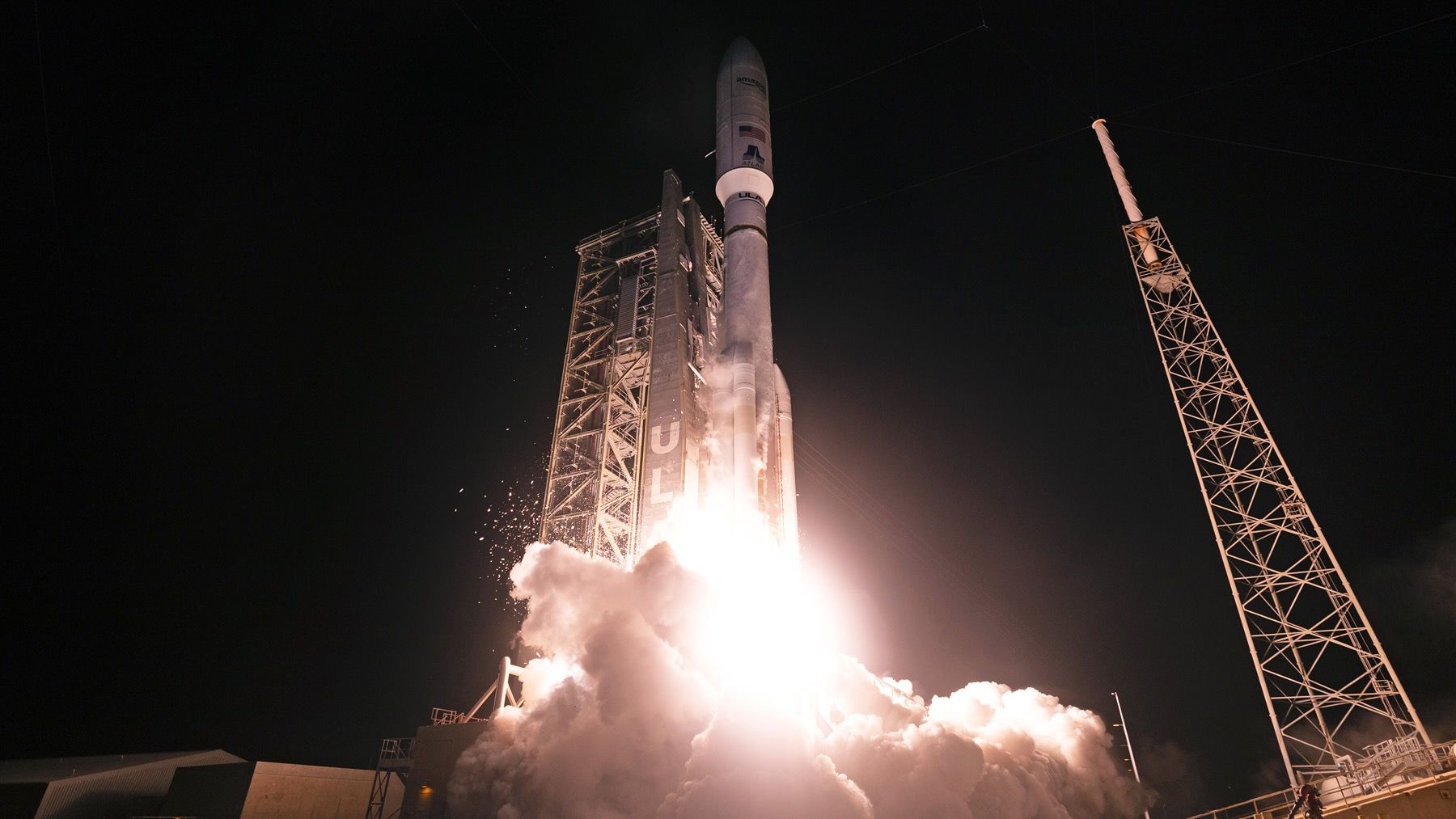
United Launch Alliance (ULA) has finalized the operational lifecycle of the Atlas V (551 configuration), closing a high-reliability chapter in heavy-lift launch services. The concluding mission, which deployed 29 satellites for the Amazon Leo broadband constellation, underscores a decisive pivot toward next-generation architectures engineered for high-cadence, cost-efficient orbital injection.
With a 100 percent success rate across eight missions, the Atlas V functioned as a critical stabilizing force for Amazon Leo, successfully placing 224 satellites into orbit. This sustained performance allowed Amazon to de-risk its initial orbital architecture, providing the foundational metrics necessary for scaling its global infrastructure.
Operational Shifts and Infrastructure Evolution
The transition to the Vulcan launch vehicle signals more than a hardware replacement; it reflects an integration shift toward advanced vertical processing facilities. These nodes are specifically designed to minimize logistical latency in flight-ready satellite integration, addressing the throughput demands of large-scale constellation deployment.
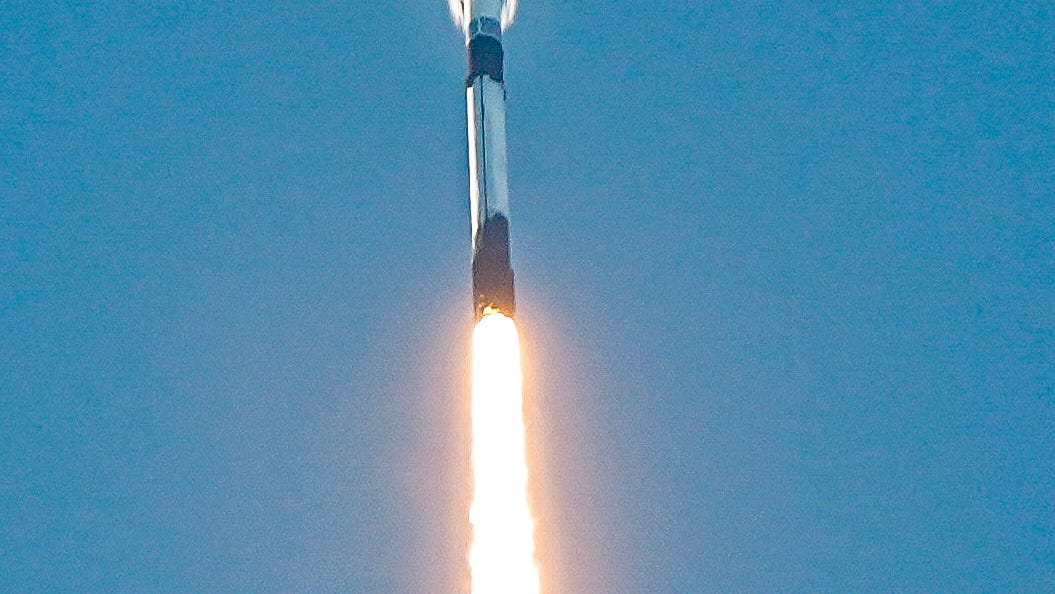
Amazon Leo’s multi-vendor strategy—leveraging Atlas V, SpaceX’s Falcon 9, and Arianespace’s Ariane 6—highlights the necessity of launch redundancy. Having reached approximately 400 satellites, the program is shifting from prototype validation to commercial-scale deployment, aiming to challenge established incumbent broadband providers.
Competitive Dynamics in Low Earth Orbit
The LEO broadband market is characterized by extreme capital intensity and the rapid scaling of megaconstellations. While Amazon Leo targets a 3,200-satellite architecture, it competes against the established 11,000-unit Starlink constellation. The disparity underscores the critical importance of launch cadence; in a capital-intensive sector, market utility and latency performance are direct functions of fleet density and deployment velocity.
Eastern Range and Operational Throughput
Florida’s Eastern Range experienced significant throughput with 109 orbital launches in 2025, reflecting the mounting pressure on ground-based infrastructure. While 2026 saw a moderation to 43 launches through June, the baseline for launch volume remains historically elevated. Regulatory, technical, and atmospheric volatility persists as a primary risk vector for operators managing multi-billion dollar capital expenditure cycles.
Institutional Implications of Launch Reliability
The retirement of the legacy Atlas V shifts the onus of mission reliability entirely onto newer, less-proven architectures like the Vulcan. For Amazon, maintaining operational continuity during this hardware transition is a fiscal imperative. As the industry moves toward high-frequency, lower-cost orbital logistics, the capacity to seamlessly manage vehicle transitions will dictate long-term competitive positioning within the global aerospace sector.