The Operational Realities of High-Stakes Touring
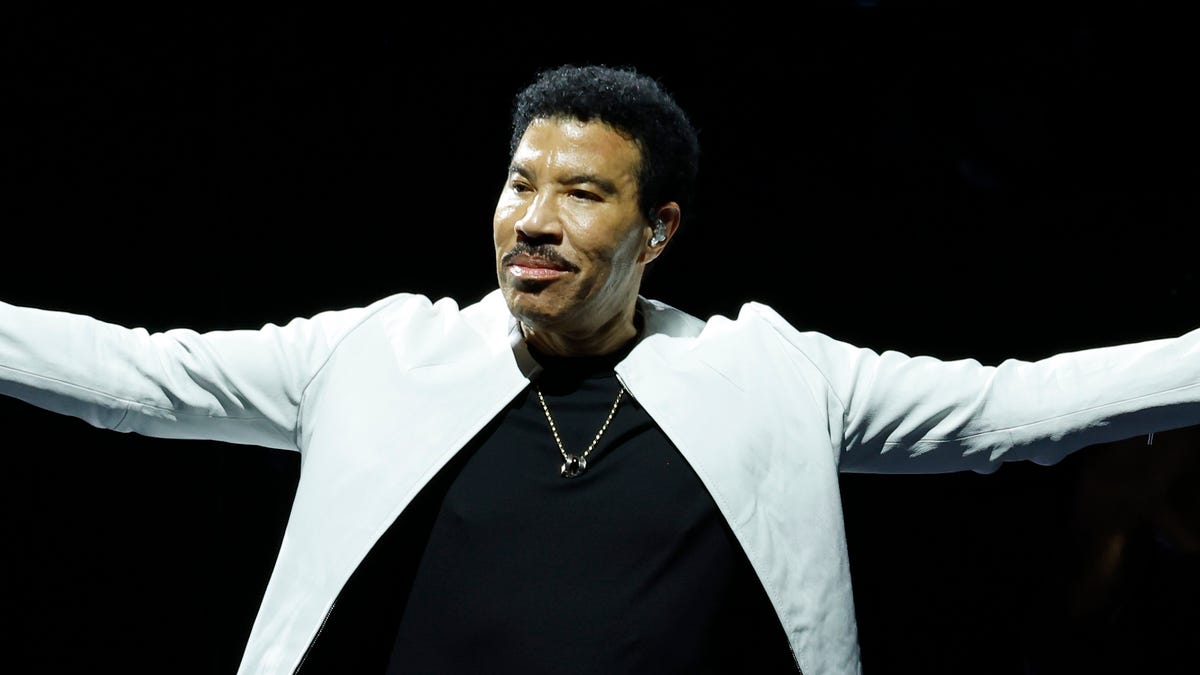
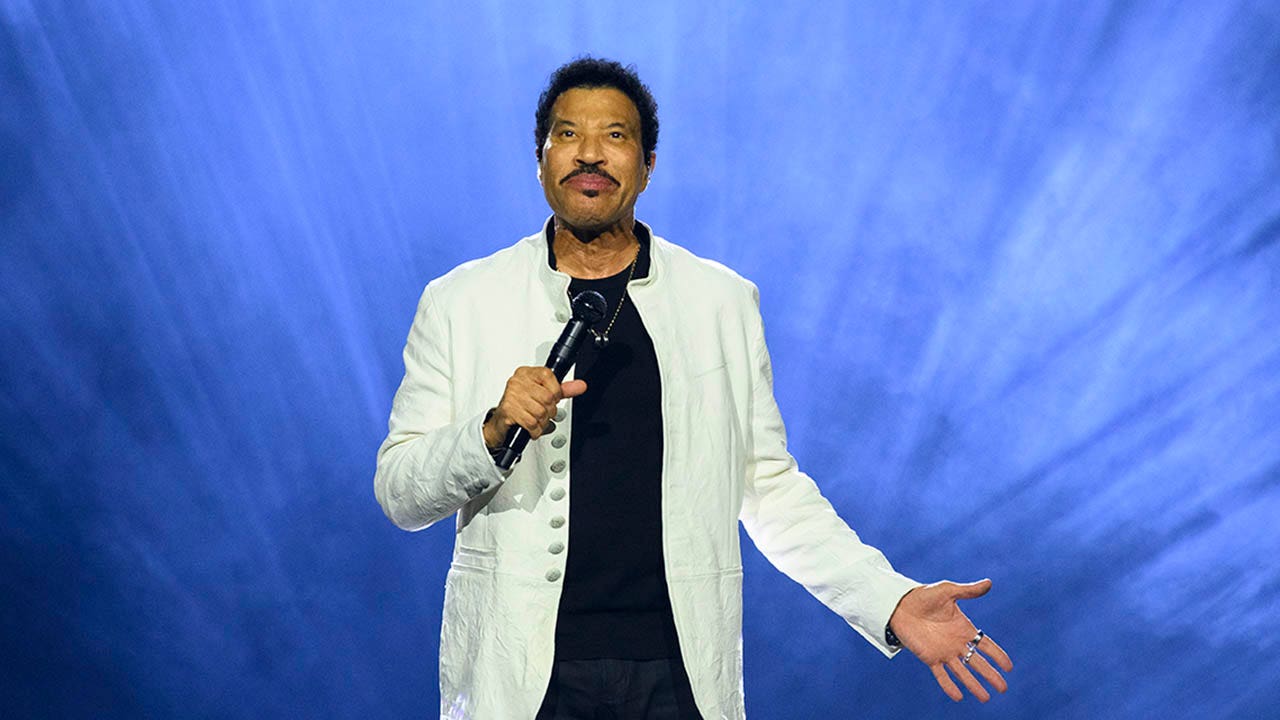
Lionel Richie’s decision to postpone upcoming shows in Chicago and Columbus, following a health-related incident during his St. Paul opening night, starkly illustrates the inherent vulnerabilities in large-scale concert logistics. Such an event necessitates immediate, complex coordination between tour management, venue operators, and global promoters like Live Nation, involving intricate rescheduling and communication protocols.
These disruptions generate a significant cascade of administrative and financial obligations, including ticket refund management and the renegotiation of venue availability. For an artist of Richie’s caliber, a pause is not solely a health imperative but a strategic decision to safeguard the long-term viability of a multi-city tour, particularly one featuring high-profile collaborators such as Earth, Wind & Fire.
Financial and Contractual Dimensions of Tour Pauses
Live music tours operate on finely tuned financial models where each performance is a critical component of a larger revenue stream. Postponements mandate the revision of venue contracts, labor agreements, and complex logistical transport schedules, often finalized months in advance. The involvement of major entities like Live Nation underscores the reliance on robust risk management frameworks that prioritize artist health to avert more severe, prolonged cancellations and the associated substantial financial liabilities for all stakeholders.
The Decisive Role of Medical Advisement in Tour Continuity
The explicit reliance on medical advisement in official statements regarding Richie’s recovery highlights the industry’s professional duty of care. The demanding physical schedule of consecutive performances necessitates a high degree of physiological resilience, continuously assessed by management teams. By prioritizing a full recovery, management strategically mitigates reputational and operational risks, aligning with an industry-wide trend that increasingly recognizes artist wellness as foundational to institutional stability and consistent performance.
Stakeholder Impact and Market Repercussions
The postponement directly affects thousands of ticket holders, demanding prompt communication and clear policies for refunds or rescheduling. For venues like the United Center, accommodating a sudden high-demand date vacancy presents logistical challenges in reallocating resources, including staff, security, and concession services. Such events underscore the inherent fragility of the live entertainment ecosystem, with cancellations generating economic ripple effects across local hospitality sectors, from hotels to transportation services reliant on concert-goer revenue.
Institutional Resilience and Strategic Scheduling Approaches
The planned resumption of the tour in Pittsburgh reflects a deliberate recovery strategy that balances recuperation needs with contractual tour obligations. This decision-making process embodies a standard industry practice of incorporating buffer periods into tour schedules to accommodate unforeseen circumstances. The capacity of management teams to navigate these disruptions with transparency and agility remains a key indicator of institutional health. Successful tour completion is contingent upon the primary talent’s medical clearance.
Contextualizing Artist Health within the Touring Sector
Richie’s incident is symptomatic of a recurring challenge in the entertainment sector: the physical toll of global touring as a primary operational constraint. Unlike more redundant corporate structures, the live music sector’s reliance on lead artists creates a single point of failure. This necessitates comprehensive insurance and contingency planning, standard for major tours. The transparency from artist representatives is crucial for managing stakeholder expectations and preserving brand integrity amidst unavoidable human factors.