Security Vulnerabilities in High-Stakes Equestrian Events
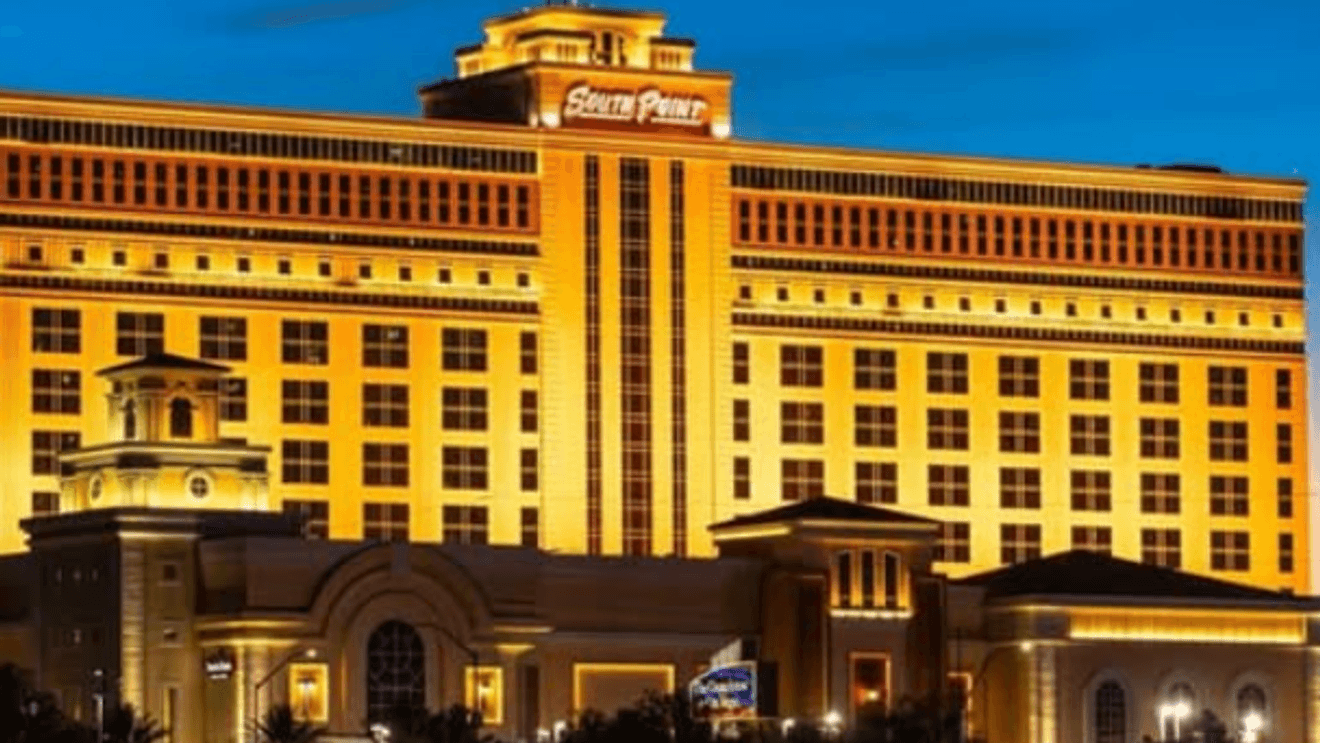
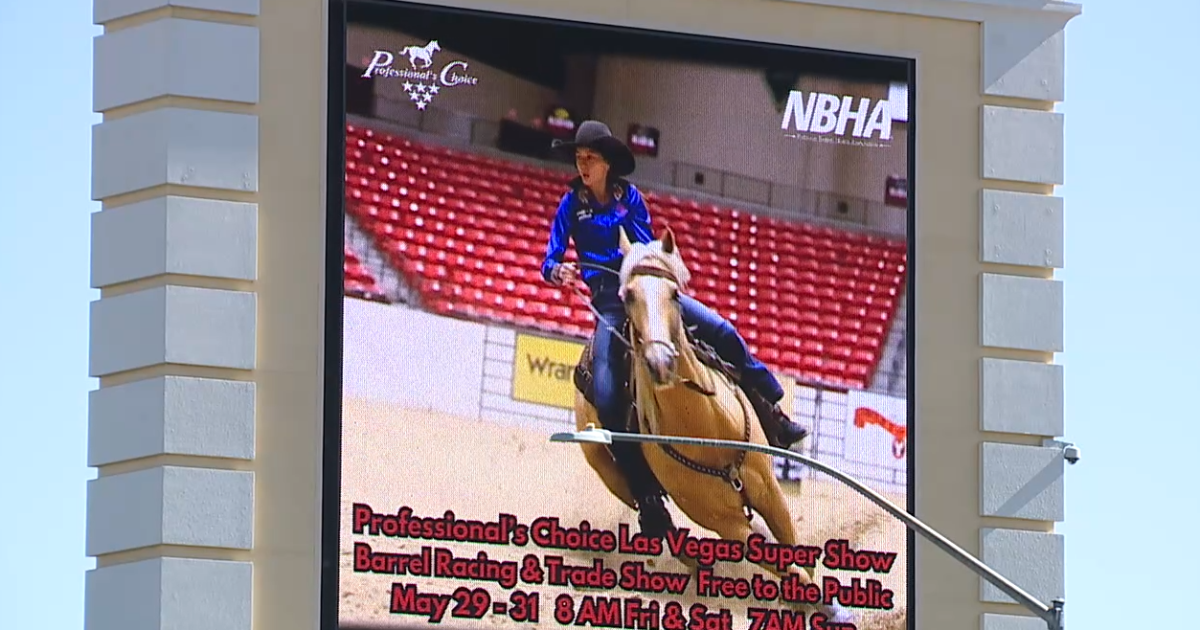
The arrest of a teenage competitor following the intentional injury of three horses at the 2026 National Barrel Horse Association (NBHA) Las Vegas Super Show exposes systemic vulnerabilities in competitive equestrian event security. Occurring at approximately 2:07 a.m. at the South Point Hotel, Casino & Spa (9700 block of South Las Vegas Boulevard), the breach highlights the precarious operational balance between maintaining open husbandry access for handlers and securing high-value animal assets. This analysis examines the operational, financial, and legal risk dimensions of this security failure.
Operational Gaps in Multi-Use Hospitality and Arena Facilities
Integrating extensive stabling complexes within commercial casino-resorts presents distinct perimeter security challenges. Traditional credentialing systems are designed to exclude the general public, yet they offer minimal protection against credentialed insider threats. Overnight shifts typically experience reduced staffing and physical surveillance, creating windows of vulnerability. Mitigating these risks requires transitioning from passive credentialing to active physical controls, including localized motion-activated telemetry, continuous closed-circuit television (CCTV) coverage of individual stalls, and mandatory electronic access logs for all stable entry points.
Economic Ramifications and Equine Asset Valuation
Competitive barrel horses represent significant capital investments, with valuations frequently reaching six figures based on pedigree, training, and prize-earning potential. The three felony counts of malicious destruction of private property over $5,000 filed against the suspect reflect these high valuations. Beyond immediate veterinary costs, the forced withdrawal of these animals results in direct financial losses—such as forfeited entry fees and non-refundable travel expenditures—alongside long-term asset depreciation stemming from psychological trauma and protracted physical rehabilitation periods.
Legal Intersection: Animal Welfare and Property Law
The response of the Las Vegas Metropolitan Police Department (LVMPD) Animal Cruelty Section underscores how the legal system categorizes elite livestock as both sentient beings and high-value private property. The suspect faces twelve counts of willful, malicious killing, maiming, or torturing of an animal, alongside three counts of felony malicious destruction of property. Although the suspect’s status as a minor directs initial proceedings to the Clark County Juvenile Hall, the scale of property damage and animal cruelty introduces complex liability, restitution, and civil litigation exposures for the guardians and associated entities.
Institutional Governance, Liability, and Risk Underwriting
Sanctioning bodies like the NBHA face severe operational and reputational risks when insider-perpetrated incidents occur. While the NBHA quickly isolated the competitor and collaborated with venue management and the LVMPD, the event establishes a precedent for stricter event sanctioning standards. Insurance underwriters specializing in equine and event liability are likely to reassess policy premiums for venues lacking overnight surveillance or strict ingress/egress logging, prompting a structural shift in how future high-stakes equestrian events are managed.