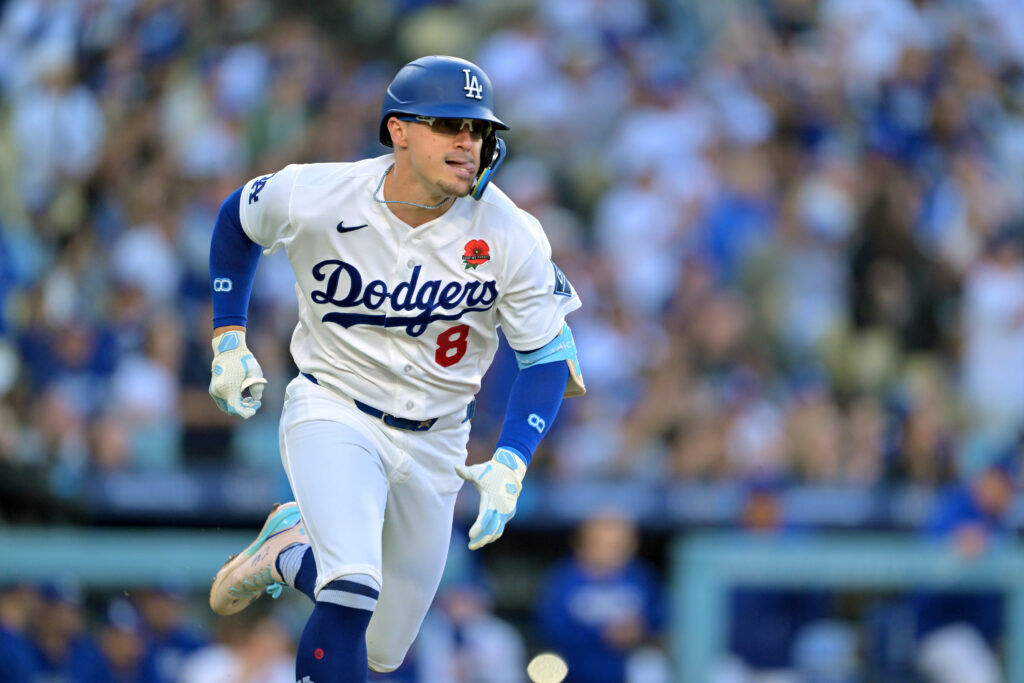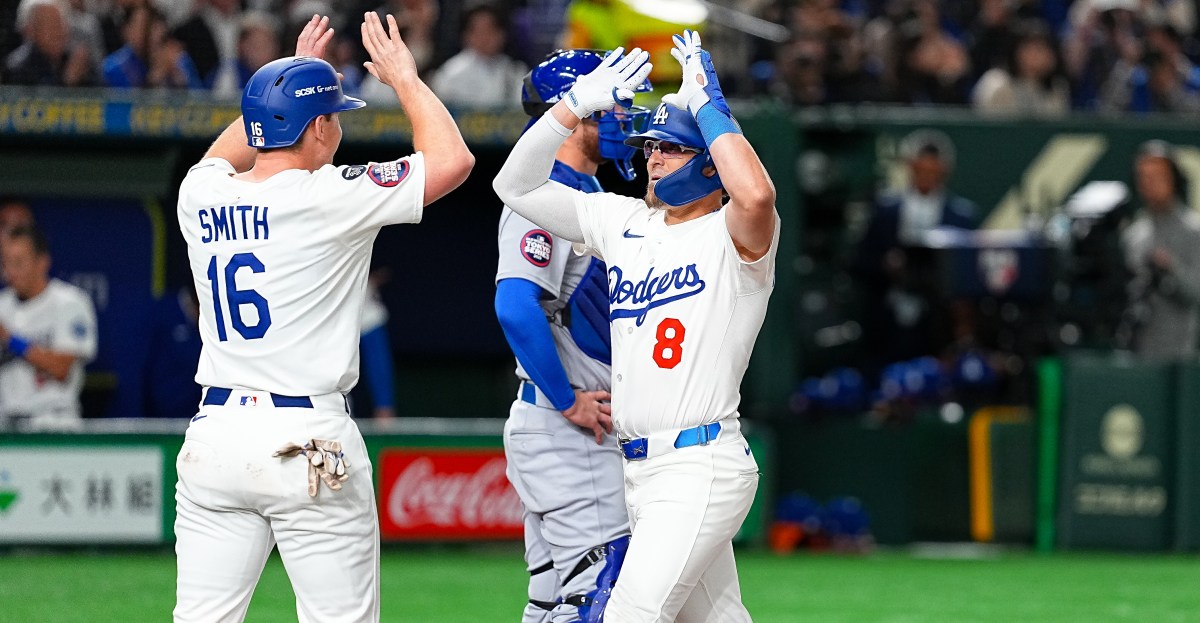
The Los Angeles Dodgers’ internal roster architecture has entered a state of significant disruption following the diagnosis of a severe left oblique tear for utility veteran Kiké Hernández. This setback, confirmed by manager Dave Roberts, forces an immediate recalibration of the club’s infield deployment and bench optimization strategies.
Kinetic Chain Mechanics and Medical Risk Factors
The transition from a complex elbow reconstruction—performed by Dr. Neal ElAttrache—to a major soft-tissue injury highlights the physiological hazards of accelerated return-to-play protocols. Analytically, the ‘significant’ nature of the oblique tear (likely a Grade 2 or 3 strain) suggests mechanical compensation; the torque required for high-velocity rotational movements may have overloaded the core musculature to protect the recently repaired elbow. This secondary injury fundamentally alters Hernández’s availability and the front office’s reliance on his veteran durability.
The Opportunity Cost of Roster Management
The Dodgers’ recent decision to designate Santiago Espinal for assignment to accommodate Hernández’s return has now resulted in a net loss of proven infield depth. This sequence illustrates the inherent risks of 40-man roster churn. With Espinal no longer an internal option, the burden of utility coverage shifts to prospect Alex Freeland, recalled from Triple-A Oklahoma City. This move signals a transition from veteran-heavy stability to a reliance on developmental assets, testing the team’s late-inning defensive flexibility.
Strategic Impact on Infield Rotations
Hernández’s absence accelerates the assimilation of Hyesong Kim into a high-leverage super-utility role. Originally viewed as a secondary depth layer, Kim must now provide consistent defensive metrics across multiple positions to mitigate the loss. Furthermore, the temporary absence of Max Muncy due to wrist soreness further exposes the lack of redundancy at the corner positions. The reliance on a single ‘super-utility’ archetype to cover for multiple injuries has proven to be a fragile strategy.
Contractual Leverage and Performance Regression
The revelation that Hernández used his medical history as a bargaining tool during contract negotiations underscores a sophisticated use of data in professional sports. By framing his ability to play through a severe elbow injury as a testament to resilience, he secured a valuation that is now under scrutiny. When healthy, Hernández’s .232/.282/.392 slash line since 2023 suggests his value is rooted in tactical platoon advantages—specifically against left-handed pitching—rather than overall offensive volume. Replacing this specific archetype will be the primary challenge for the front office as the trade deadline approaches.
Operational and Financial Consequences
Financially, Hernández’s second stint on the injured list impacts luxury tax efficiency and limits capital for mid-season acquisitions. Operationally, the promotion of Freeland may disrupt his developmental timeline in the minor leagues, prioritizing short-term depth over long-term growth. The Dodgers must now balance institutional loyalty to veteran leaders with the objective need for physical durability and on-field availability.