Strategic Scarcity: The Socio-Political Economy of the NYC Ticket Lottery
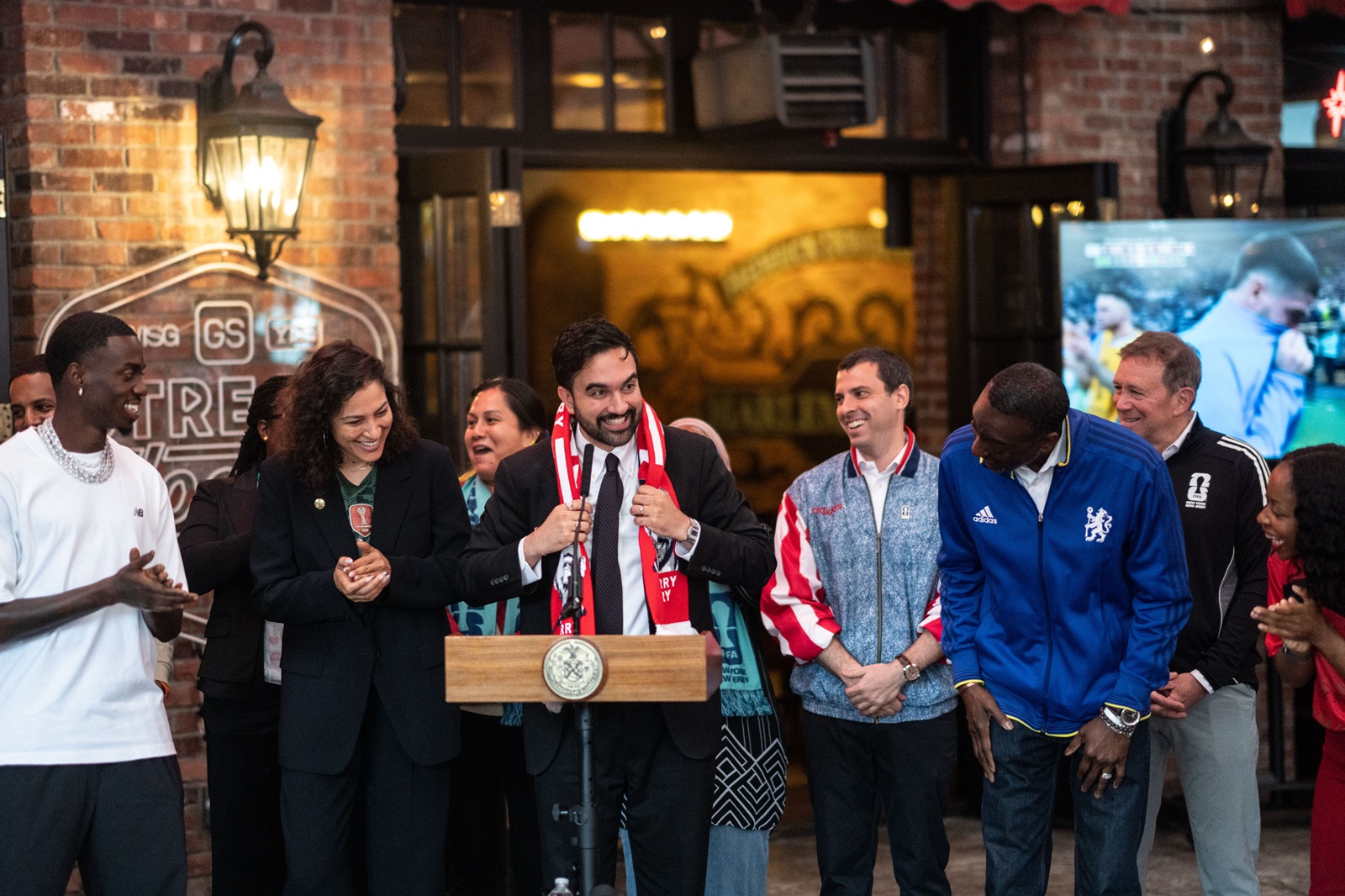
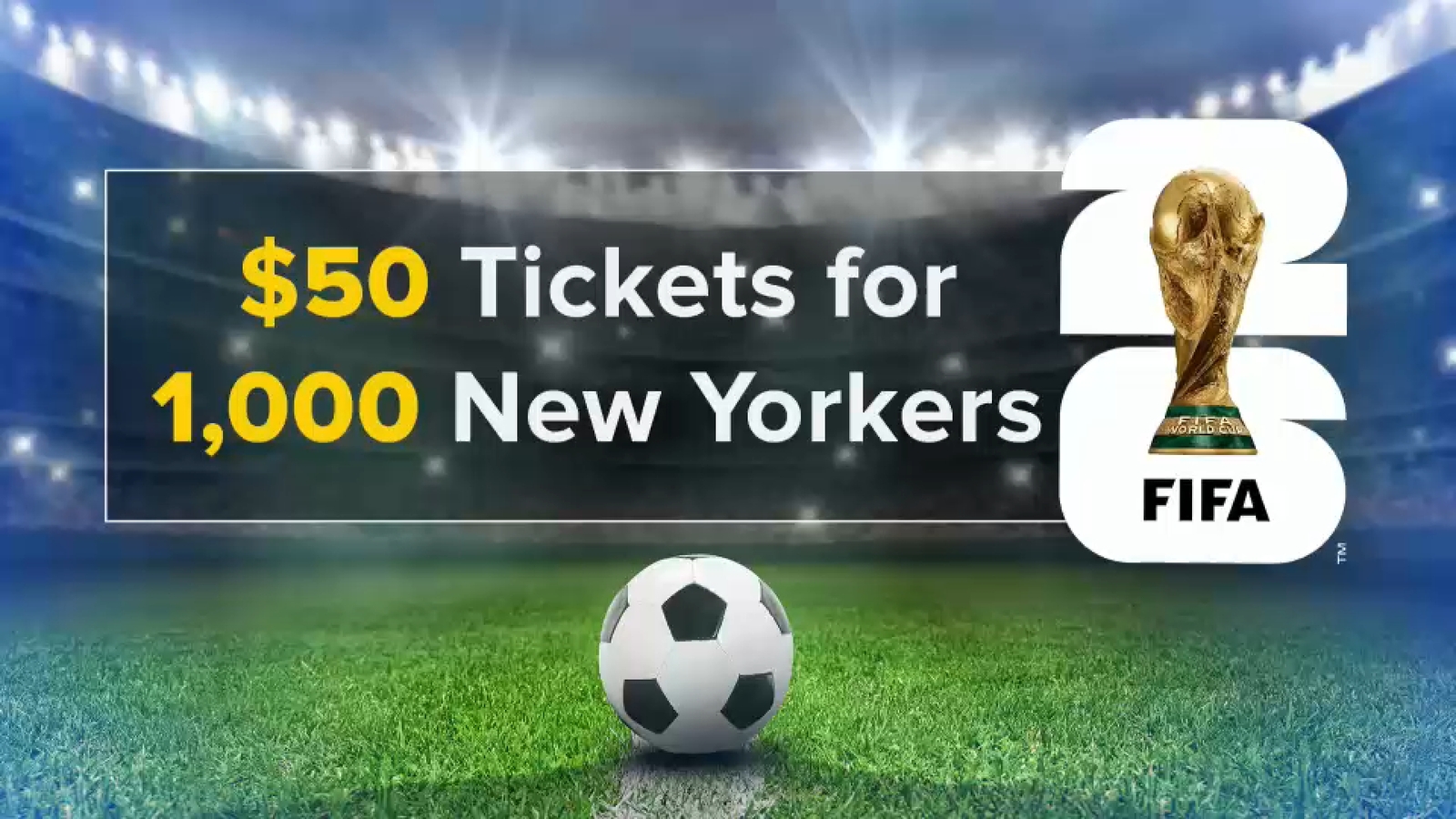
The immediate exhaustion of the NYC resident World Cup ticket lottery registration—reaching its 50,000-entry cap within three minutes—exposes the profound tension between global sports commodification and local accessibility. Mayor Mamdani’s $50 ticket initiative, which includes round-trip transportation, is a calculated municipal intervention designed to mitigate the perceived elitism of FIFA-sanctioned events. By anchoring tournament benefits within the local demographic, the administration attempts to secure a ‘social license’ to host, even as the volume of interest suggests that demand will perpetually outstrip supply.
The decision to stagger lottery windows through Saturday, May 30, via regnyctix.com, serves a dual purpose: it mitigates technical strain on digital infrastructure and maintains sustained public engagement. This 50,000-entry ceiling acts as an administrative safeguard, ensuring that data processing and the subsequent winner notification phase on June 3 remain logistically manageable for city agencies. This surge is not merely a metric of sports enthusiasm but a stress test for the city’s digital and transit-planning capabilities.
Branding Geopolitics: The MetLife Stadium Signage Conflict
While NYC manages domestic demand, a significant institutional friction has emerged regarding regional visibility. New Jersey’s mandate to reorder signage at MetLife Stadium to place its name before New York’s represents a recalibration of the 2018 bid framework. The alteration of the transit-facing signage to read ‘New Jersey New York’ is a strategic assertion of economic identity, prioritizing the state that provides the physical infrastructure and host venue for eight matches, including the final.
This nomenclature shift highlights the inherent fragility of joint-hosting agreements where one partner provides the global brand equity (New York) and the other provides the operational venue (New Jersey). By securing primary positioning on the signage greeting fans arriving via New Jersey Transit, state officials are attempting to decouple their economic identity from the NYC ‘monolith,’ ensuring that local investments in infrastructure translate into direct brand recognition and future tourism leverage.
Operational Leverage and the Impact of Team Bases
The allocation of training bases for Brazil, Senegal, Haiti, and Morocco within New Jersey further strengthens the state’s operational hand. Hosting a global powerhouse like Brazil ensures constant media saturation and localized economic activity independent of match-day revenue. These bases function as decentralized hubs that require specialized security and hospitality, further justifying New Jersey’s demand for branding prominence.
Ultimately, the success of the 2026 World Cup will depend on the logistical integration of these two regions. The NYC lottery and the NJ signage dispute are two sides of the same coin: a struggle to define who the tournament truly ‘belongs’ to. As the physical infrastructure is modified and transportation subsidies are coordinated, the partnership remains a high-stakes experiment in multi-jurisdictional event management, where naming rights are as valuable as the games themselves.