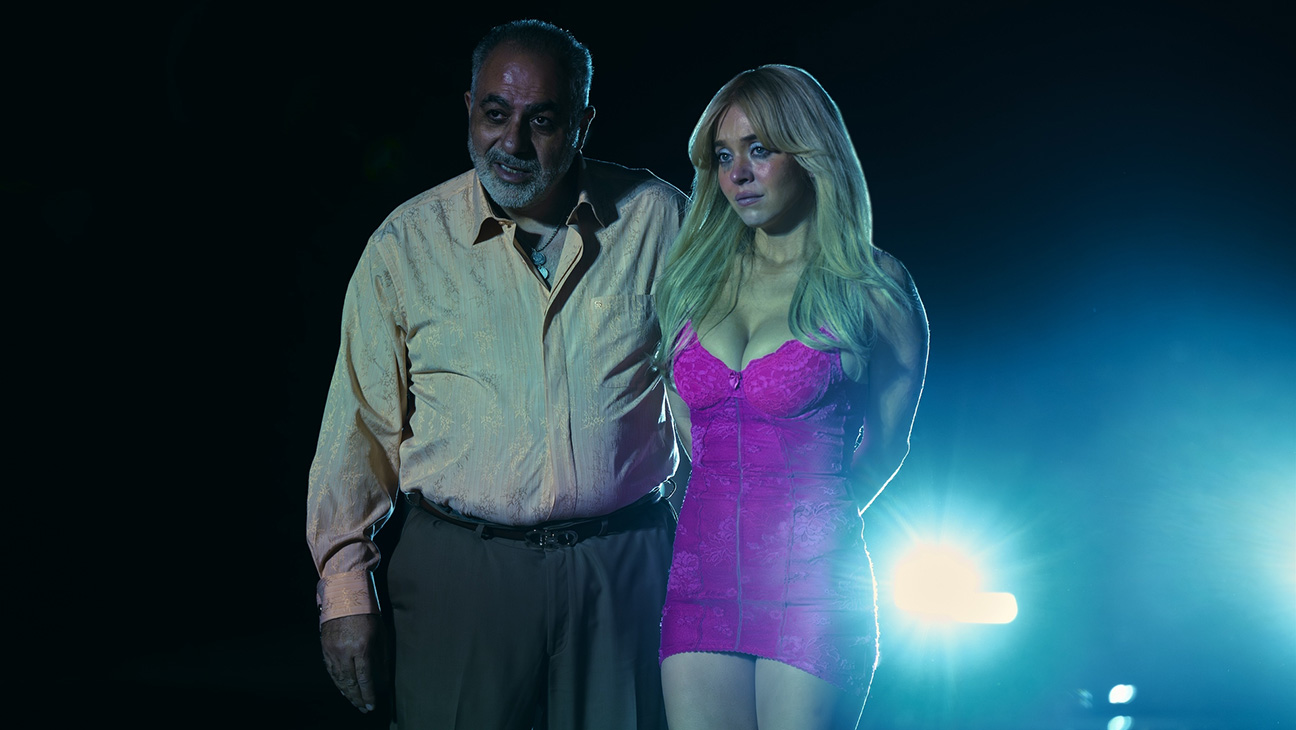
Sam Levinson Explains Nate Jacobs’ Horrific ‘Euphoria’ Exit
The penultimate episode of ‘Euphoria’ season 3 culminated in the visceral and shocking death of Nate Jacobs, a character central to the series’ narrative since its inception. Creator Sam Levinson provided detailed insights into the demise, which involved dismemberment, burial alive, and a fatal rattlesnake encounter, underscoring a deliberate intent to evoke extreme audience discomfort and challenge conventional narrative catharsis.
Levinson articulated a creative philosophy focused on subverting audience expectations for clear-cut narrative justice. His stated aim was to deliver what viewers anticipate in terms of karma for Nate’s pattern of abusive and controlling behavior, but to do so in a manner so horrific and anxiety-inducing that the satisfaction derived is complicated, if not entirely undermined. This approach aims to provoke a complex emotional response rather than simple closure.
The narrative arc leading to Nate’s death strategically positioned him as a character consumed by the cascading negative consequences of his own actions and illicit business dealings. His entanglement with Naz, a character representing a debt-driven conflict, directly precipitated the sequence of events culminating in his demise. This plot point underscores the show’s thematic exploration of how character choices, particularly those rooted in toxic masculinity and unchecked ambition, inexorably lead to inescapable and brutal outcomes.
The meticulously crafted circumstances of Nate’s death—being buried alive on a construction site and subsequently bitten by a venomous snake within his coffin—were designed to amplify the horror. This method of execution directly confronts the audience’s long-standing desire for Nate to face a reckoning, yet Levinson’s approach ensures the viewing experience is one of profound unease rather than cathartic release.
Jacob Elordi’s portrayal of Nate Jacobs has been instrumental in the series’ exploration of toxic masculinity and its destructive impact. Levinson acknowledged Elordi’s commitment to depicting the character’s ultimate breakdown, suggesting that the narrative had effectively cornered Nate, stripping away any remaining complexity and leaving only the stark, unpleasant edges of his entitled persona.
The financial and relational entanglements that ensnared Nate were critical drivers of his downfall. His significant debt to Naz, a situation exacerbated by his volatile business arrangements, created a dire and urgent situation for those closest to him, specifically Cassie and Maddy, who were left to navigate the resolution of his financial obligations. This intricate web of dependency highlights the pervasive influence of Nate’s destructive tendencies on the wider social fabric of the show’s ensemble characters.
The intervention by Alamo, intended to resolve the immediate crisis by eliminating Naz, paradoxically led to the discovery of Nate’s lifeless body. This twist of fate emphasizes the show’s thematic exploration of how attempts to fix one problem can inadvertently create or expose others, particularly within a world saturated with violence and desperation.
The narrative decision to kill a principal character like Nate Jacobs in the penultimate episode signals a heightened dramatic tension for the series finale. The show’s creator had previously indicated that death would be an inevitable thematic element, and Nate’s departure fulfills this prophecy, setting a precedent for further significant character fates to be explored.
Levinson’s commentary on the audience’s desire for justice versus his own narrative intentions offers a meta-commentary on the nature of storytelling and viewer engagement. By deliberately crafting a death that is both thematically deserved and deeply unsettling, he challenges the audience’s passive consumption of narrative resolution, forcing a confrontation with the discomfort that such extreme consequences can evoke.
The character of Nate Jacobs, particularly in the season’s later stages, was increasingly defined by his overwhelmingly negative attributes. This narrative strategy, which Levinson described as writing him into a corner, suggests a deliberate choice to simplify his motivations and amplify his flaws, making his eventual demise a focal point of the season’s thematic concerns regarding irredeemable characters.
The sequence of physical mutilation—losing a toe, then a finger—served as a grim prelude to the ultimate, fatal encounter. These escalating injuries underscore the brutal reality of the world ‘Euphoria’ portrays, where characters are subjected to extreme physical and psychological torment as a direct result of their circumstances and choices.
The business arrangement with Naz, which placed Nate in significant debt, acted as the immediate catalyst for the events leading to his death. This plot device grounds the extreme elements of the show in a tangible, albeit heightened, reality of financial precarity and the violent repercussions of failing to meet obligations.
The intervention of Alamo, who killed Naz, was an attempt to extricate Nate from his predicament. However, this action, rather than providing a clean escape, ultimately led to the discovery of Nate’s fate, illustrating the complex and often counterproductive nature of the characters’ attempts to control their destinies.
The revelation of Nate’s lifeless body upon the exhumation of his coffin confirms the finality of his death and the gruesome nature of his end. This moment serves as a stark visual representation of the show’s commitment to depicting extreme consequences for its characters.
Levinson’s exclusive interview with Esquire provides critical insight into the creative process behind such a pivotal character death. His discussion of balancing audience expectations for justice with the desire to create a ‘horrific and anxiety-inducing’ experience reveals a deliberate strategy to provoke a complex emotional response from viewers.
The character’s death, while perhaps anticipated by some viewers given the show’s trajectory, is presented by Levinson as a carefully orchestrated event designed to elicit a specific, uncomfortable reaction. This approach suggests a departure from conventional narrative satisfaction, prioritizing thematic resonance and emotional impact over simple catharsis.
The series creator’s perspective on ‘giving the audience what they want’ but twisting it into something deeply unsettling highlights a sophisticated, albeit provocative, approach to character resolution. It implies a critique of how audiences consume narratives of justice and retribution, suggesting a desire to push beyond predictable outcomes.
The narrative’s focus on Nate’s capitalist entanglements and his descent into a state of pure negative attributes suggests a broader commentary on the corrupting influence of power and wealth. His death can be interpreted as the ultimate consequence of embodying these destructive forces within the show’s universe.
The involvement of Cassie and Maddy in attempting to resolve Nate’s debt adds another layer of relational complexity. Their efforts to save him, despite his history of abuse, underscore the intricate and often toxic bonds that tie the characters together, further amplifying the tragedy of his demise.
The construction site setting for Nate’s burial introduces an element of industrial decay and unfinished business, mirroring the state of the characters’ lives and relationships. This environment serves as a stark backdrop for a death that is both brutal and symbolically resonant with themes of societal breakdown.
The rattlesnake, a potent symbol of betrayal, danger, and primal fear, plays a crucial role in the final moments of Nate’s life. Its presence within the coffin amplifies the horror and taps into deep-seated phobias, ensuring the scene’s lasting impact on the audience.
Levinson’s explicit mention of compounding phobias—the finger and toe removal, the burial, and the snakebite—indicates a deliberate strategy to overload the audience’s senses and emotional capacity. This multi-layered approach to horror aims to create a truly unforgettable, albeit disturbing, viewing experience.
The creator’s acknowledgment that Nate was ‘written into a corner’ suggests a potential challenge in sustaining the character’s narrative complexity. This admission might explain the decision to provide a definitive and extreme resolution, rather than attempting to navigate further intricate plotlines for a character whose narrative had seemingly reached its limit.
The description of Nate as containing ‘nothing but the unpleasant edges of a frustrated, entitled capitalist’ signifies a deliberate simplification of his character in the season’s later stages. This narrative choice likely served to streamline his trajectory towards a predetermined, brutal end, emphasizing his role as an antagonist whose flaws were irredeemable.
The timing of Nate’s death in the penultimate episode is strategically significant, leaving the audience to grapple with the implications of his absence and the potential for further dramatic events in the series finale. This placement ensures that the impact of his demise reverberates through the show’s conclusion.
The narrative’s exploration of ‘justice or karma’ through Nate’s death positions the show as a commentary on moral reckoning within a fictional context. Levinson’s approach suggests a nuanced view of these concepts, where the delivery of consequences can be as psychologically taxing for the observer as it is for the character.
The series’ consistent portrayal of extreme violence and psychological distress, exemplified by Nate’s death, reinforces its reputation for provocative and boundary-pushing storytelling. This commitment to visceral impact shapes audience expectations and the show’s overall thematic concerns.
The narrative’s conclusion for Nate Jacobs serves as a stark reminder of the high stakes and often fatal consequences faced by characters within the ‘Euphoria’ universe. His demise, orchestrated with deliberate horror, underscores the show’s unflinching depiction of the destructive cycles of trauma, addiction, and societal pressures.